
Maddie Chang is a student at Harvard Law School.
In today’s Tech@Work, CNET writers push for union in light of AI concerns, and the FTC releases a policy statement on biometrics that may have implications for the use of biometrics in the workplace.
Journalists at CNET, a technology news company, are pushing to join a union and are citing the use of artificial intelligence (AI) as a major concern. As reported in Bloomberg News, about 100 CNET employees, including writers, video producers, and editors, hope to join Writers Guild of America (WGA) East. CNET came under fire earlier this year when they began using AI to write content for news stories online. After an internal audit, CNET had to go back and issue corrections on more than half of the AI-generated or written stories. One explanation that other newsrooms that have used AI have offered as to why they are using automation is that it allows writers to focus less tedious work. But there is also concern that increased use of AI in newsrooms will also lead to more layoffs. In a statement issued last week, the CNET workers said: “A union would give us a voice on new AI and marketing initiatives and allow us to safeguard our workloads, bylines and careers.” By unionizing, CNET workers are hoping to have a say in how AI tools are used in the process of covering the news.
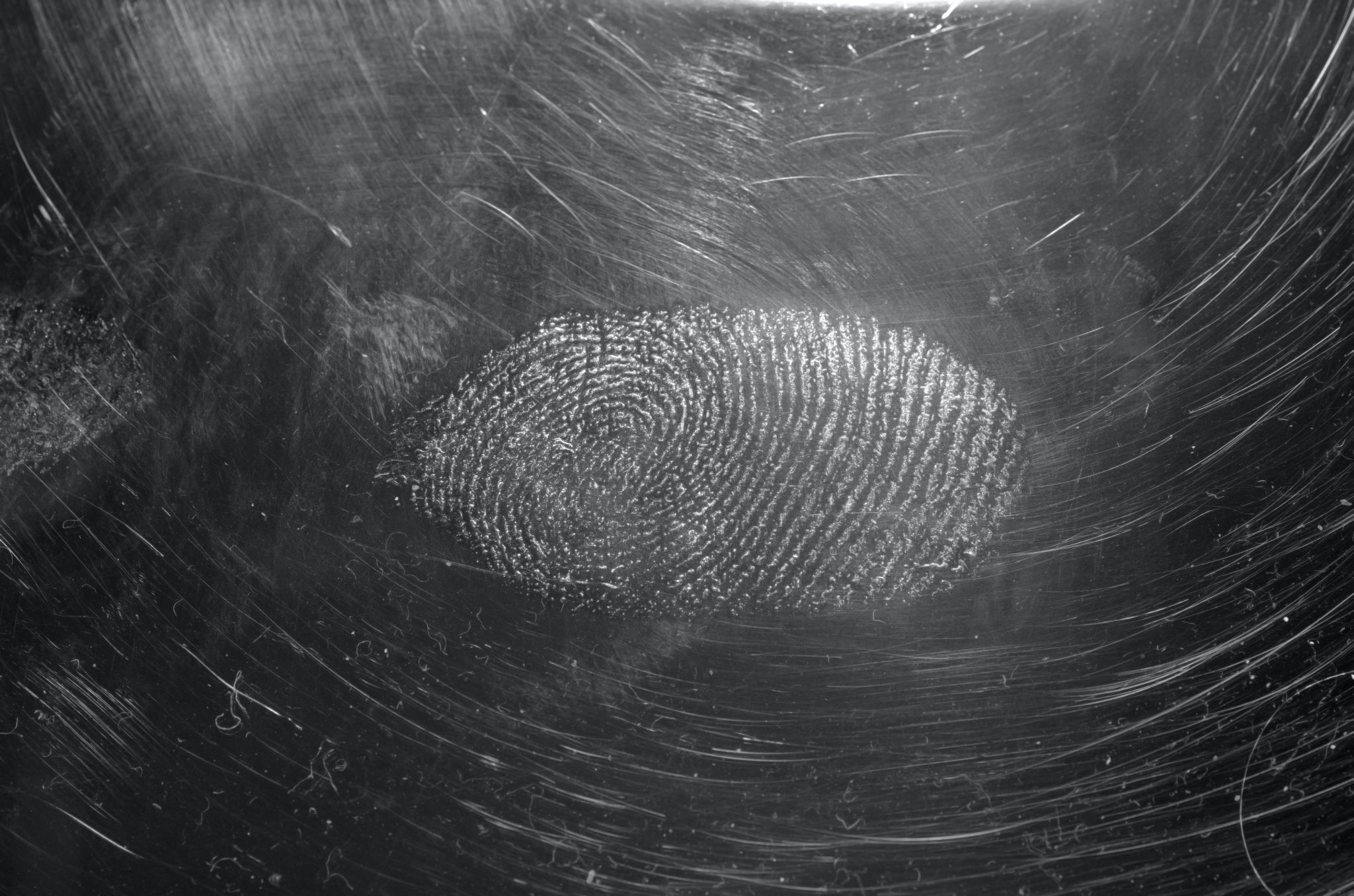
Last week, the Federal Trade Commission (FTC) issued a new policy statement on biometric technology. In the statement, the FTC defines biometric information as “data that depict or describe physical, biological, or behavioral traits, characteristics, or measurements of or relating to an identified or identifiable person’s body.” This includes things like facial recognition technology, fingerprinting, and monitoring software that tracks employees’ movements. In recent years, this type of technology has increasingly been used in the workplace, both to surveil existing workers and as part of the process of hiring new workers. The statement raises concerns about bias and discrimination that can occur as a result of using biometric technology, as well as privacy concerns that stem from “surreptitious and unexpected collection or use of biometric information.” It also cautions against making deceptive claims about the potential of these technologies to eliminate hiring bias. The statement ultimately urges companies that make and use biometric technologies to monitor their use for risks and harms, or to consider not using them in the first instance. The Commission voted 3-0 during to adopt the policy statement.



Daily News & Commentary
Start your day with our roundup of the latest labor developments. See all
August 14
Hollywood unions diverge in response to the Paramount-Warner merger saga; Tesla defeats a years-long strike in Sweden, and labor scholars advocate for state sectoral bargaining policy innovation.
August 13
EEOC complaint process expected to harm federal workers; former UAW leaders endorse Fain challenger; Xbox employees protest layoffs.
August 12
Third Circuit affirms dismissal of driver’s bias and retaliation claims against CBS and Teamsters; employment litigation surges in Washington state; MIT Sloan professor argues the rise of “disposable workers” is transforming American employment.
August 11
Rideshare drivers nearing union certification in California; UFCW campaigns against electronic shelf labels; Teamsters support NYC delivery driver bill.
August 10
Employee sues for a fossil-fuel-free 401(k) plan as a religious accommodation; DHS submits a proposed rule eliminating 60-day grace period for H-1B workers; Eighth Circuit dismisses constitutional challenge to the FMSHRC.
August 7
Starbucks beats claims it denied shifts to union workers; Center for State Labor Innovation aims to address labor law shortcomings.