
Tala Doumani is a student at Harvard Law School.
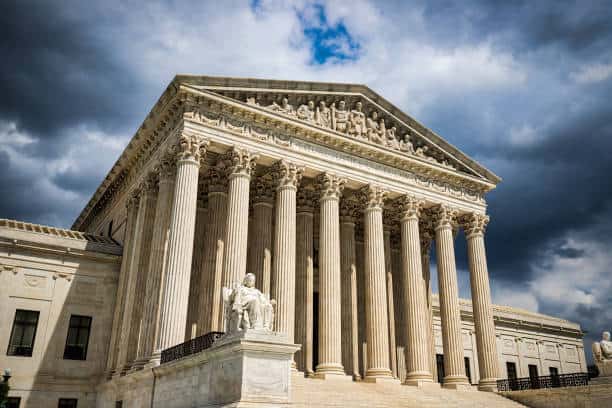
Yesterday, the United States Supreme Court granted certiorari to resolve a circuit court split regarding whether a showing of prejudice is a prerequisite to find waiver of an arbitration agreement in Morgan v. Sundance, Inc. While agreements to submit disputes to arbitration are abundant in this day and age, courts are split over the requirements for validly waiving a parties right to arbitrate. Some lower courts have held that the standard for arbitration waiver agreements mirrors other contracts. In such a case, validly waiving your right to arbitrate would only require the intentional relinquishment of a known right. The majority of lower courts, however, have set a higher standard for arbitration waivers. These courts have held that the relinquishment of the arbitration right must cause prejudice before constituting a waiver. Should the Supreme Court side with the majority view, the Court would be endorsing the view that arbitration agreements are above other contracts by making it harder to waive agreements to arbitrate.
The Court is set to hear arguments on March 21, 2022.

Daily News & Commentary
Start your day with our roundup of the latest labor developments. See all
September 14
NCAA and Big Ten file motion to dismiss in former star player's NIL suit; Seventh Circuit rules against former postal worker in discrimination suit.
September 13
Documents released on the 25th anniversary of the 9/11 attacks show that city officials encouraged workers to return to Ground Zero despite knowing the risks of asbestos exposure, and new polls demonstrate continued widespread support for labor unions.
September 10
Amazon workers allege pregnancy discrimination; federal unions challenge USDA reorganization; NYC warns of silicosis risks.
September 9
Wynn Las Vegas employees allege anti-union retaliation; Amazon faces a class action over pregnancy accommodations; H-1B demand plunges following a six-figure visa fee.
September 8
In today’s News and Commentary, workers and unions across America celebrate Labor Day, California’s SEIU Local 1000 prepares for a strike authorization vote, and New York City creates the Office of Worker Power. On Monday, labor unions and workers gathered in cities across the United States in celebration of Labor Day. Parades and rallies took […]
September 7
Eighth Circuit finds DOL order violates Seventh Amendment; 1,300 workers at Encore Boston Harbor go on strike.