
Randon Herrera is a student at Harvard Law School.
On Sunday, the Department of Labor issued new guidance clarifying gig workers’ eligibility for unemployment benefits under the CARES Act—the federal government’s coronavirus relief package. The guidance answers some key questions about the administrability of these benefits. For instance, some worried about the lack of clarity about whether, and to what extent, states should verify a worker’s need to stay home to take care of a child due to a school closure. The guidance attempts to answer this ambiguity by specifying that states should require applicants to self-certify their claim under penalty of perjury.
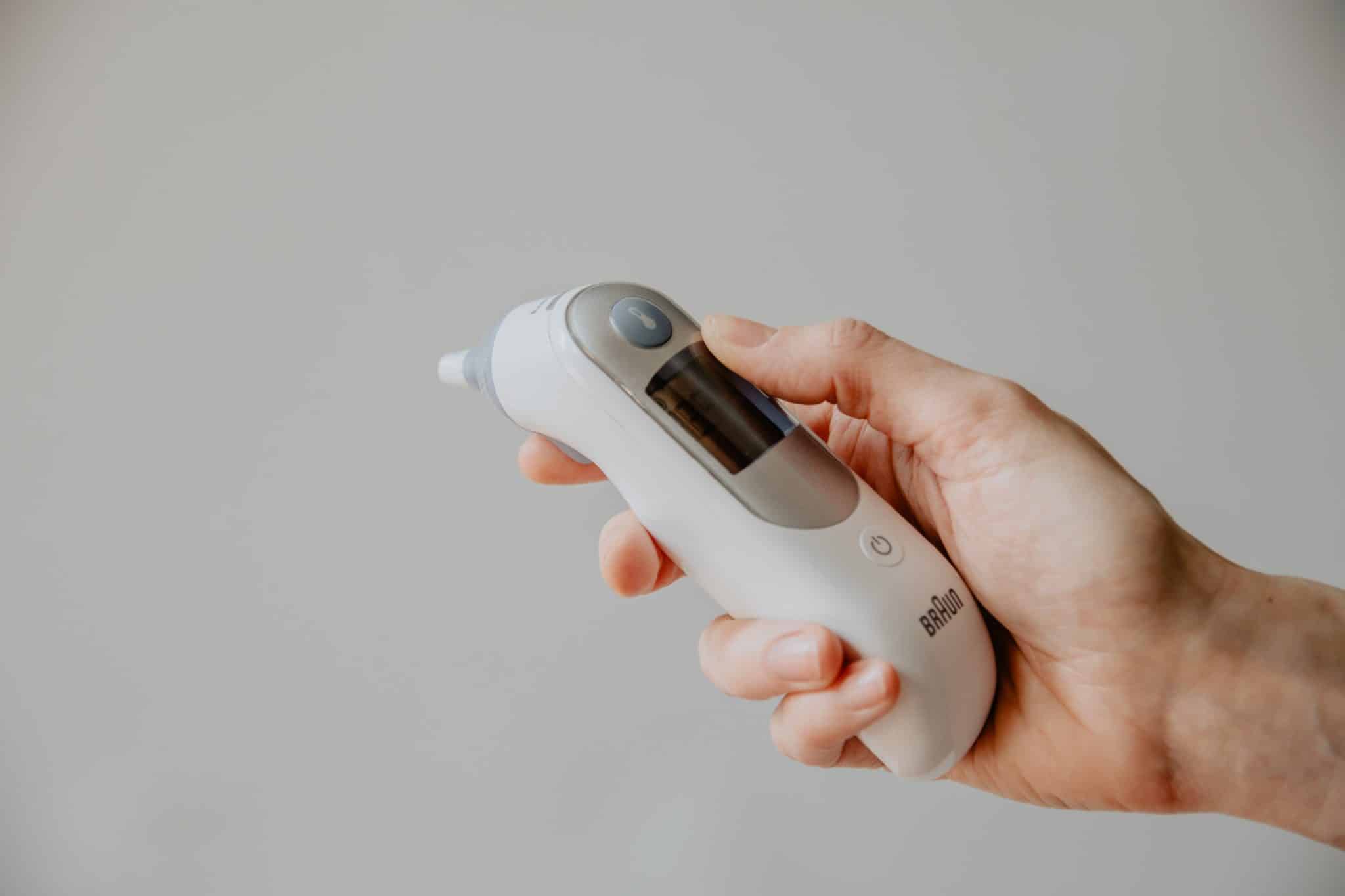
Due to a lack of consistent federal guidance, retail and grocery store workers are experiencing varying degrees of safety precautions in their workplaces, according to CNN. Walmart plans to take employee temperatures before they start work each day. Target does not. Target is providing, and strongly advising, their workers to use gloves and masks. Walmart is also providing gloves and masks, but only if workers want them. Home depot is providing thermometers to their employees, but not gloves and masks. Lowes is essentially doing the opposite. While the Occupational Safety and Health Administration (OSHA) has provided guidance on workplace safety during the current pandemic, the guidance is only advisory.
The American Federation of Government Employees (AFGE) is suing the federal government for COVID-19-related hazard pay on behalf of federal employees. Specifically, the suit is being brought on behalf of employees of the Bureau of Prisons, Department of Agriculture, and Department of Veterans Affairs. The plaintiffs claim that they were not provided with personal protective equipment, despite working in close proximity with individuals who tested positive for COVID-19. According to an AFGE press release, as many as 1000 individuals were exposed to COVID-19 in the Louisiana federal prison where three of the plaintiffs work.
According to one expert, relaxing certain work visa laws can help bolster the capacity of the US healthcare system as it becomes more burdened by COVID-19 in the coming days and weeks. In an interview with Forbes, founding member of Klasko Immigration Law Partners, William Stock, highlights immigration policies that prevent many foreign healthcare workers from fighting on the frontlines of the epidemic in the US. For example, he notes that doctors on H-1B visas are prevented from working for an employer other than the one who sponsored their visa, and that they can’t relocate to another work area without overcoming major Department of Labor hurdles. This makes relocating these doctors to areas in desperate need, like New York, incredibly burdensome.
The Supreme Court won’t review a Ninth Circuit ruling that raised the issue of whether the Equal Employment Opportunity Commission (EEOC)’s power to investigate and request broad employment documents from a company relating to an employee’s EEOC claim ends after that employee files a discrimination lawsuit. The Ninth Circuit decision was not published and therefore does not have binding authority, but it does conflict with a Fifth Circuit ruling.





Daily News & Commentary
Start your day with our roundup of the latest labor developments. See all
October 16
Department of Labor reduces wage-and-hour enforcement at unionized workplaces; Fain's victory poses question of federal monitor's extension.
October 15
New reporting examines the rollback of child labor protections; California tries to block a strike; NLRB charges Wisconsin mental health provider with firing workers during union drive.
October 14
Eleventh Circuit overturns ERISA exhaustion rule; DHS finalizes removal of automatic renewal for work permits; AFGE challenges SSA over flexible scheduling policy.
October 13
Chicago hotel workers remain on strike; a coalition of Democratic states sues the Labor Department over canceled unemployment insurance grants; the Federal Labor Relations Authority establishes a new mediation framework for federal worker disputes.
October 12
Workers at the Obama Foundation begin organizing; MLB submits its latest collective bargaining agreement proposal; Brigham & Women's nurses postpone strike.
October 11
UAW President Shawn Fain succeeds in his reelection bid, and Spanish unions call for a general strike.