
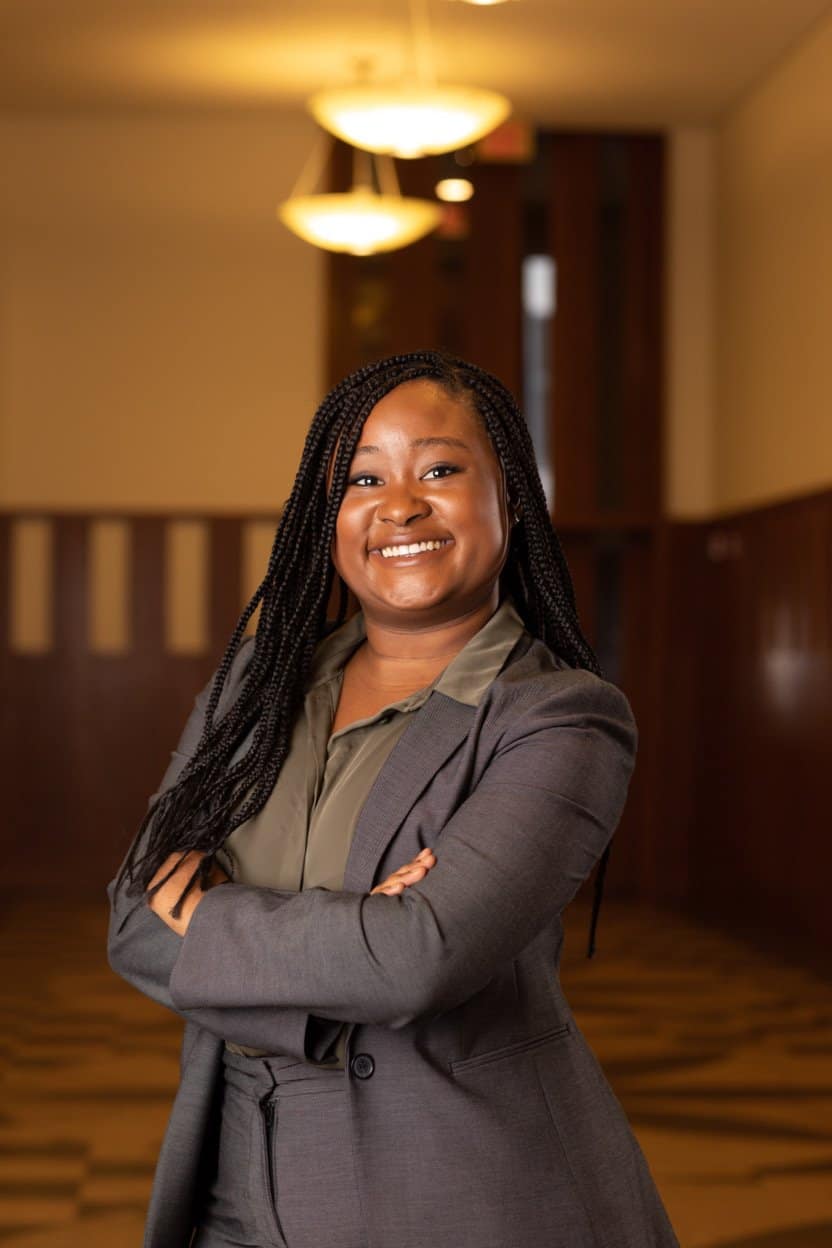
Courtney Brunson is a student at Harvard Law School and member of the Harvard Legal Aid Bureau.
Bloomberg News reported today that the Equal Employment and Opportunity Commission (EEOC) is limiting the power of its General Counsel in deciding what types of discrimination suits it can bring against employers. One of these changes includes the creation of communication channels that members of the General Counsel Office must use to consult the Chair regarding the appropriateness of pursuing certain cases. Another revision is the enactment of a commission vote that must be held when the Office’s stance might be contrary to the precedent of the Circuit where the case is filed. This decision was foreshadowed by a withdrawn vote by EEOC commissioners on July 19 to reclaim these rights altogether. The new framework was approved following votes of support made by Republican EEOC Chair Janet Dhillon and GOP Commissioner Victoria Lipnic. Democratic Commissioner Charlotte Burrows voted in opposition.
The latest labor news in the 2020 Democratic Presidential Primary Campaign includes the rollback of alleged job promises made by former Mayor Michael Bloomberg. According to the New York Times, Bloomberg’s campaign promise of job security for at-will employees through the general election has fallen short. In a series of conference calls, staffers in some battleground states have been informed that they will no longer be employed by the campaign and will only be paid through the end of this month. The staffers were told, however, that they could keep their laptops and phones, though they would have to pay taxes on them.
The National Labor Relations Board Professional Association (NLRBPA), the union representing attorneys at the National Labor Relations Board (NLRB), has stated that representatives of the Trump administration are seeking to remove non-discriminatory language around LGBTQ, race, sex, and religion from their union contracts in the Administration’s collective bargaining negotiations. NLRBPA members have stated that White House representatives are arguing that the language is duplicative and already covered by statute or the purview of the Equal Employment and Opportunity Commission (EEOC).
Following up on the posts from fellow OnLabor commentator Ryan Gorman here and here, two PhD candidates from University of California Santa Cruz wrote in the Washington Post about their uniquely high personal costs associated with striking for fair wages. As the same time as they are expecting their first child, they are balancing teaching, completing their research, writing their dissertations, and struggling to cover their other living costs. As of late week, the University fired more than 80 of their graduate student workers, including one of the writers. The striking student workers are demanding a cost-of-living increase from the administration. When the administration responded with a $2,500 additional annual stipend, campus activists argued that the stipend neither applied to all graduate student workers nor addressed reality of high housing costs. On February 10, student workers protested in response by picketing and cancelling classes. The authors, alongside the other graduate student workers, are continuing to fight against worker exploitation and for a living wage.


Daily News & Commentary
Start your day with our roundup of the latest labor developments. See all
October 2
Gov. Newsom signs bill regulating AI in workplace; federal judge blocks Trump's $100,000 H-1B visa fee.
October 1
Senate confirms Keith Sonderling as Labor Secretary; Amazon warehouse workers launch an unfair labor practice strike.
September 30
Harvard grad union wins in First Circuit; AI data trainers initiate misclassification suits; Trader Joe’s found liable under ERISA.
September 29
Unions, AI companies, and private equity firms form a new coalition to shape data center policies; unions express support for the Paramount-Warner Bros. merger.
September 28
The Protect College Sports Act nears passage in the Senate; San Francisco municipal workers agree to contract extensions.
September 27
The Trump Administration reaches a settlement with federal unions on reduction in force actions; the United Auto Workers file an en banc petition seeking review of a Second Circuit decision regarding labor arbitrations.