
Alisha Jarwala is a student at Harvard Law School and a member of the Labor and Employment Lab.
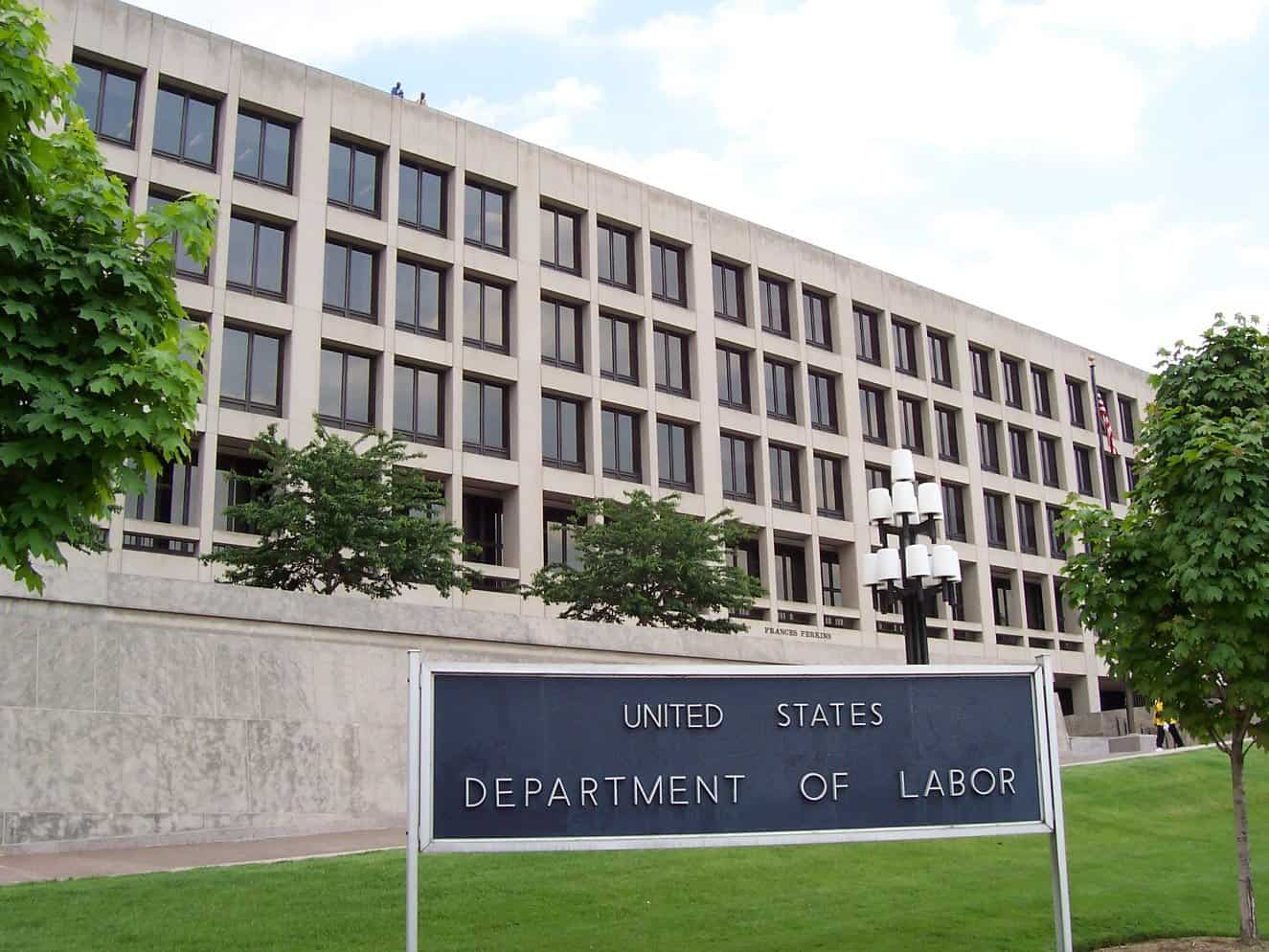
Attorneys for five news outlets have asked the Department of Labor to withdraw its plan to restrict journalists from accessing economic reports in advance of publication. In January, the DOL announced that it would ban computers from the secure room where journalists have traditionally been given early access to economic data, including nationwide employment figures. Bloomberg News, the Associated Press, Dow Jones & Co., Market News, and Reuters argue that this ban will delay news organizations from filing news stories in a timely way and prevent them from being able to seek clarification from government officials before stories are published. The news outlets also said in their letter that the DOL failed to give public notice and get comments on the plan, which would “result in an unconstitutional limitation on the media’s First Amendment protected right to newsgathering and dissemination.”
In other DOL news, Bloomberg reports that the Department’s union watchdog office has “added a pair of aides who have a history of advocating against organized labor.” Rusty Brown, who was hired as a policy adviser, was involved in a campaign to decertify a union representing 27,000 home care workers in Minnesota. Trey Kovacs, hired as a special assistant, has long urged the DOL to treat worker centers as labor unions by increasing oversight and requiring more detailed financial reports.
The Electronic Privacy Information Center (EPIC) filed a petition on Monday asking the Federal Trade Commission (FTC) to regulate the use of artificial intelligence in pre-employment screenings. Forbes reports that EPIC is alleging that HireVue, a provider of artificial intelligence screenings, is “flouting national and international standards of transparency, fairness and accountability.” EPIC argues that HireVue’s use of facial recognition technology and secret algorithms are unfair and deceptive trade practices—the standards are opaque and cannot be challenged by job applicants.
Finally, in a piece for The Atlantic, Yale Law School professor Daniel Markovits discusses the consequences of the rise of management consulting on American businesses and American workers. He notes: “Technocratic management, no matter how brilliant, cannot unwind the structural inequalities that are dismantling the American middle class.”


Daily News & Commentary
Start your day with our roundup of the latest labor developments. See all
September 17
Unions push to block Google from buying Spirit Airlines employment records; U.S. Department of Labor sues Oklahoma coffee chain over alleged wage violations.
September 16
Trump nominates Catherine Eschbach as EEOC general counsel; NLRB declines to resolve union work-assignment dispute; Allina Health physicians begin four-day strike.
September 15
Documents reveal the inner workings of Amazon's union avoidance program; Washington state public sector unions reach tentative deals amid a difficult bargaining cycle; hundreds of Nevada Culinary Union members protest their union's health care changes.
September 14
NCAA and Big Ten file motion to dismiss in former star player's NIL suit; Seventh Circuit rules against former postal worker in discrimination suit.
September 13
Documents released on the 25th anniversary of the 9/11 attacks show that city officials encouraged workers to return to Ground Zero despite knowing the risks of asbestos exposure, and new polls demonstrate continued widespread support for labor unions.
September 10
Amazon workers allege pregnancy discrimination; federal unions challenge USDA reorganization; NYC warns of silicosis risks.