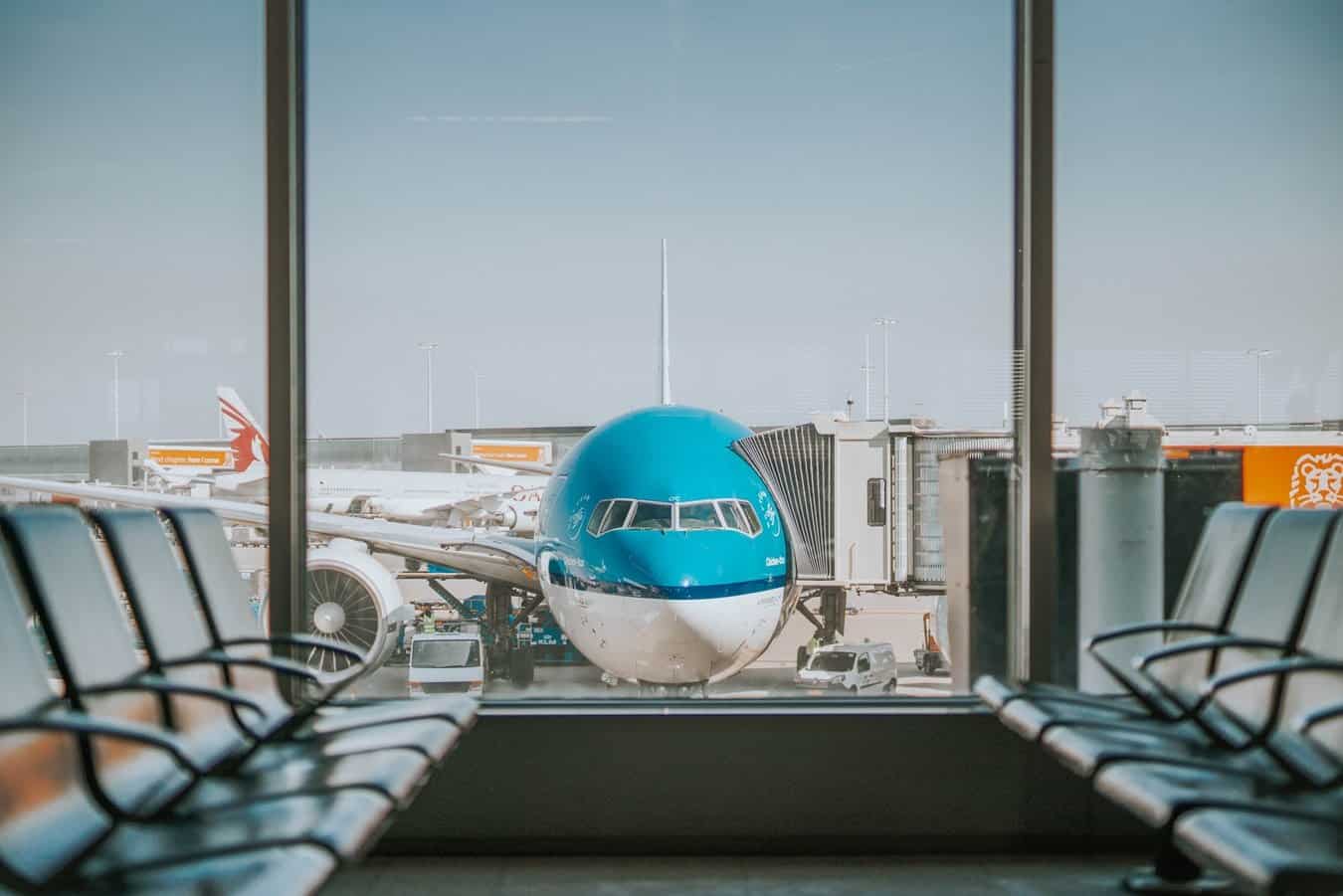

The Thanksgiving travel rush may begin with 20,000 airline catering workers on strike across eighteen airports. Workers are threatening to launch a strike against LSG Sky and Gate Gourmet, two of the largest airline catering companies, on Tuesday if contract negotiations are not settled by then. They are fighting for a $15 minimum wage, seniority pay, and better access to health care. Represented by UNITE HERE, the labor union that also represented Marriott Hotel Workers last year, the airline catering workers intend to use this peak travel season to raise public awareness on their working conditions. If the strike does commence Tuesday, demonstrations may be viewed by nearly 3 million travelers in the country’s biggest airports.
Following up on my last post, public transportation workers in the Washington D.C. Metropolitan Area continue into the third week of their strike. In a close and personal look into the workers’ daily lives, the Washington Post shows how they persevere through the strike despite weak safety nets to fall back on. Metrobus workers walked off the job in October after failing to secure a fair contract with Transdev, the French contractor Metro hired to run Metrobus. Meanwhile, bus drivers directly employed by Metro earn around $12 more than their Metrobus counterparts. In light of this differential, Metrobus employees are seeking higher wages and changes in scheduling. The difference in pay and working conditions speaks to a larger problem arising from the privatization of public services, for Metro contracted out to Transdev in an attempt to cut costs. Metrobus workers are represented by ATU Local 689.
Employees at Los Angeles’ Museum of Contemporary Art announced their plans to unionize. This initiative occurs just after the museum announced plans to drop admission fees and make entrance free.
Google employees and other protestors joined outside the company’s San Francisco office demanding that two employees be reinstated. These two employees were placed on administrative leave for “violating” corporate policy on accessing sensitive internal documents and monitoring employees’ calendars. The employees deny these claims, arguing that none of the information was sensitive and company policy has no rule about accessing public calendar events. Those protesting believe Google targeted these two employees not for the benign so-called corporate policy violations but rather for their organizing efforts within the company. This protest occurred less than a week after Google’s appointment with anti-union consultants was publicized, the details of which Jared shared here.
According to an opinion piece in Axios, Google workers are not alone in their fight. Employee organizing within the tech industry is on the rise. Other tech companies like WeWork and Kickstarter are starting to see employees hold company management accountable in a way that had been previously unheard of in the tech world. Could the anti-union sentiment in tech be changing?




Daily News & Commentary
Start your day with our roundup of the latest labor developments. See all
October 14
Eleventh Circuit overturns ERISA exhaustion rule; DHS finalizes removal of automatic renewal for work permits; AFGE challenges SSA over flexible scheduling policy.
October 13
Chicago hotel workers remain on strike; a coalition of Democratic states sues the Labor Department over canceled unemployment insurance grants; the Federal Labor Relations Authority establishes a new mediation framework for federal worker disputes.
October 12
Workers at the Obama Foundation begin organizing; MLB submits its latest collective bargaining agreement proposal; Brigham & Women's nurses postpone strike.
October 11
UAW President Shawn Fain succeeds in his reelection bid, and Spanish unions call for a general strike.
October 9
DHS proposes a $100k fee for the foreign grad employment program; Trump suspends tech company access to green card program; and private equity perpetuates poor working conditions for home care workers.
October 8
NLRB judge finds UPS unlawfully restricted union insignia; Harvard graduate workers authorize second strike; OSHA orders Union Pacific to pay $300,000 in damages in whistleblower case.