
Deanna Krokos is a student at Harvard Law School
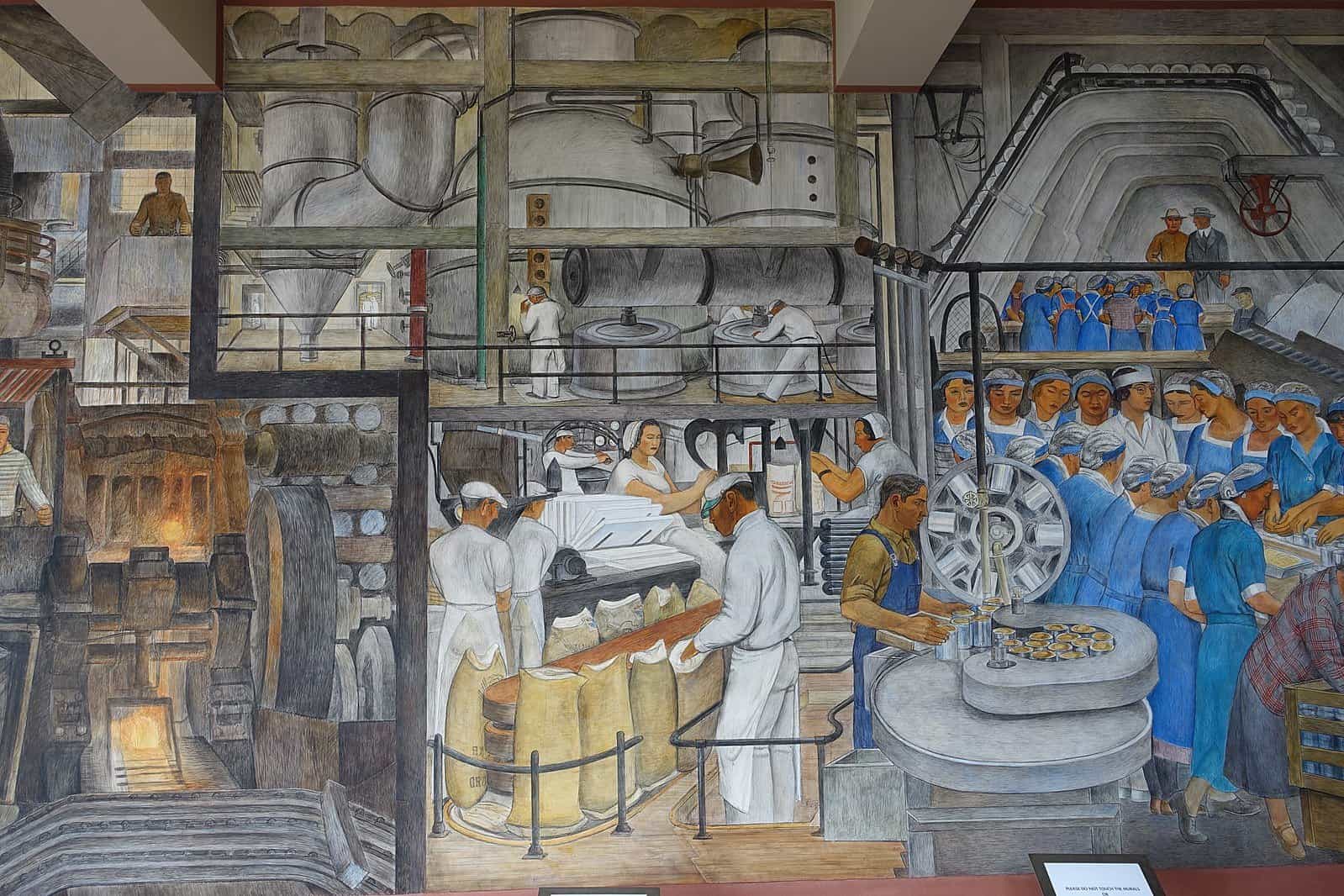
This week, the The New York Times provided further reporting on conditions in meat packing and processing plants. Focusing on a Tyson plant in Waterloo, Iowa, NYT described workers required to show up t crowded conditions with inadequate, often improvised protective equipment. More than 1,000 cases of covid-19 have been reported in this plant alone, and it was temporarily closed due to “worker absenteeism” as the virus spread. As the crisis grew weeks before industry-specific guidelines were considered, meat industry lobbyists were reported putting considerable pressure on Washington to pass measures protecting employers from liability. There are reports of workers attending work despite illness or becoming sick on the job due to unclear guidance from management on sick leave and pay policies. Several OnLabor updates have described outbreaks and responses in the meat industry both before and after plants were ordered to operate by executive order.
Tesla founder Elon Musk tweeted this week criticizing the State of California for preventing Tesla’s Fremont plant from re-opening due to concerns over worker safety. Musk threatened to relocate the plant to Texas or Nevada if state officials did not allow an “immediate” re-opening. Alameda County health officials defend their policy, citing concerns over working conditions and the risk of viral spread throughout factory workforces. NYT reports that competing car manufacturers including Chrysler and GM plan to resume production this month.
The Wall Street Journal reports more covid-related layoffs in the manufacturing and production sectors, noting that many factories that began to furlough workers temporarily are now set to close permanently. Increasing layoffs follow a familiar trend in these sectors where growing output has not translated to significant payroll or wage increases since the 2008 financial crisis.





Daily News & Commentary
Start your day with our roundup of the latest labor developments. See all
October 20
Korean unions oppose labor exemption bill; Portland city workers prepare for strike; UPenn grad student union looks to dismiss university filing
October 19
FDA reverses course on policy prohibiting off-duty union activity; FAA and NATCA reach deal to secure pay increase for air traffic controllers.
October 18
Federal judge again halts cancellation of the Bureau of Prisons’ CBA; tabletop gaming workers face roadblocks in union recognition.
October 16
Department of Labor reduces wage-and-hour enforcement at unionized workplaces; Fain's victory poses question of federal monitor's extension.
October 15
New reporting examines the rollback of child labor protections; California tries to block a strike; NLRB charges Wisconsin mental health provider with firing workers during union drive.
October 14
Eleventh Circuit overturns ERISA exhaustion rule; DHS finalizes removal of automatic renewal for work permits; AFGE challenges SSA over flexible scheduling policy.