
Fred Messner is a student at Harvard Law School.
President Biden is set to sign an executive order this morning bolstering the federal government’s “Buy American” policy. While order’s full text had not yet been released at the time of this post, CNN reported that its key provisions included increasing the minimum amount of domestic content required for a product to eligible for federal procurement, updating the definition of “domestic,” and creating a senior position at the Office of Management and Budget to centrally manage requests for waivers of the updated requirements. The order is also expected to include a directive for agencies to “proactively connect” with smaller American manufacturers.
In the latest round of maneuvering in the long-running dispute between Chicago’s public school teachers and the city’s school district over reopening plans, the Teacher’s Union voted this weekend to refuse in-person work. As I noted earlier this month, the school district has pressed aggressive reopening targets over objections by the Teacher’s Union, which has insisted on more comprehensive health and safety measures and a voluntary staff return policy. The district had initially required teachers to report to work in person starting today but announced a delay until Wednesday after the announcement of the vote. Both sides expressed their commitment to continue negotiating through the week with the district holding fast to a February 1st target for kindergarten through eighth-grade students to return to in-person learning.
More than 10,000 Postmates couriers seeking to arbitrate misclassification and wage-and-hour claims in California won a major victory last week when a federal judge ordered the company to pay the workers’ fees and costs in arbitration. The couriers—all of whom are bound by arbitration agreements that bar them from suing Postmates in court or banding together in a class or collective action—began filing individual wage-and-hour claims en masse with the help of plaintiffs’ attorneys at Keller Lenkner LLC. Because California’s contract law requires employers who impose arbitration procedures on their employees to pay any unique costs of the arbitration process, the mass individual filings put Postmates on the hook for tens of millions of dollars of fees just to kick off proceedings. Having been “hoisted by their own petard,” as a judge described a different company undone by its own arbitration agreements, Postmates has attempted a series of creative but ultimately unsuccessful tactics to avoid holding up its end of the contract it wrote. Last week’s ruling held Postmates liable under a recent California law, SB 707, that penalizes companies when they try to escape their voluntarily assumed obligations to pay claimants’ arbitration fees. In ruling for the couriers, Judge Philip Gutierrez rejected arguments by Postmates that SB 707 is preempted by the Federal Arbitration Act or invalid under the Contracts Clause of the Constitution. As part of the same ruling, Judge Gutierrez also compelled Postmates to arbitrate with 4,000 additional couriers who filed claims after the larger group of 10,000, adding to Postmates’ self-inflicted woes. The company has vowed to appeal the decision to the Ninth Circuit, where it has already been rebuffed once in the course of this dispute.
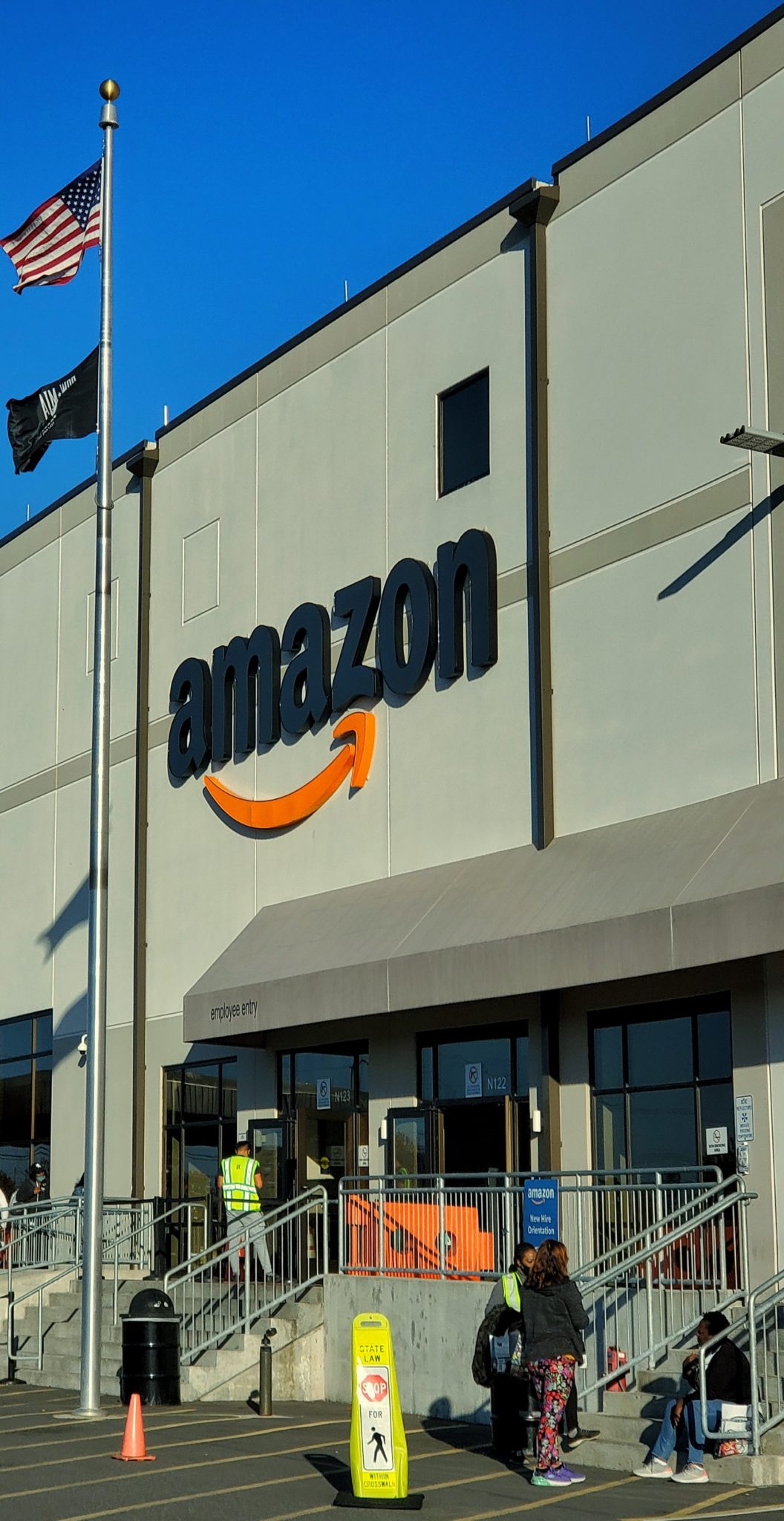
Last week, Nikita discussed the organizing efforts and upcoming union elections at an Amazon warehouse in Bessemer, Alabama. Yesterday, the NFL Players Association (NFLPA) announced its support for the #UnionYES campaign with a video featuring words of encouragement from a number of current and former players. And this morning, the New York Times released a feature-length article detailing the Amazon workers’ inspirational struggle for union representation.


Daily News & Commentary
Start your day with our roundup of the latest labor developments. See all
August 21
Tyson workers respond to abrupt plant shutdown; DOL ends its power to police federal contractor bias.
August 20
Unions sue the government over new visa rule; Judge declines to dismiss former Amazon worker's suit.
August 19
NLRB swears in third Trump-appointed Member; Teamster file complaint against Amazon in New York; unions and college students sue Trump admin for international student immigration restrictions
August 18
New Trump administration rules will remove the Merit Systems Protection Board's independence; a CFPB union leader suspended alleges retaliation; the National Treasury Employees Union requires its members to pay dues as it battles to stay financially afloat.
August 17
Tensions rise between New York City's teachers' union and City Hall; NLRB judge finds Brooklyn hospital violated labor law.
August 16
New documents show that federal surveillance operations targeted Minnesota labor unions during the ICE surge, and the Equal Employment Opportunity Commission denies halting federal class discrimination complaints.