
Travis Lavenski is a student at Harvard Law School.
In today’s news & commentary, San Francisco airport food workers are on strike; Starbucks proposes bargaining dates for hundreds of unionized locations; and the Trader Joes unionization wave spreads to Brooklyn.
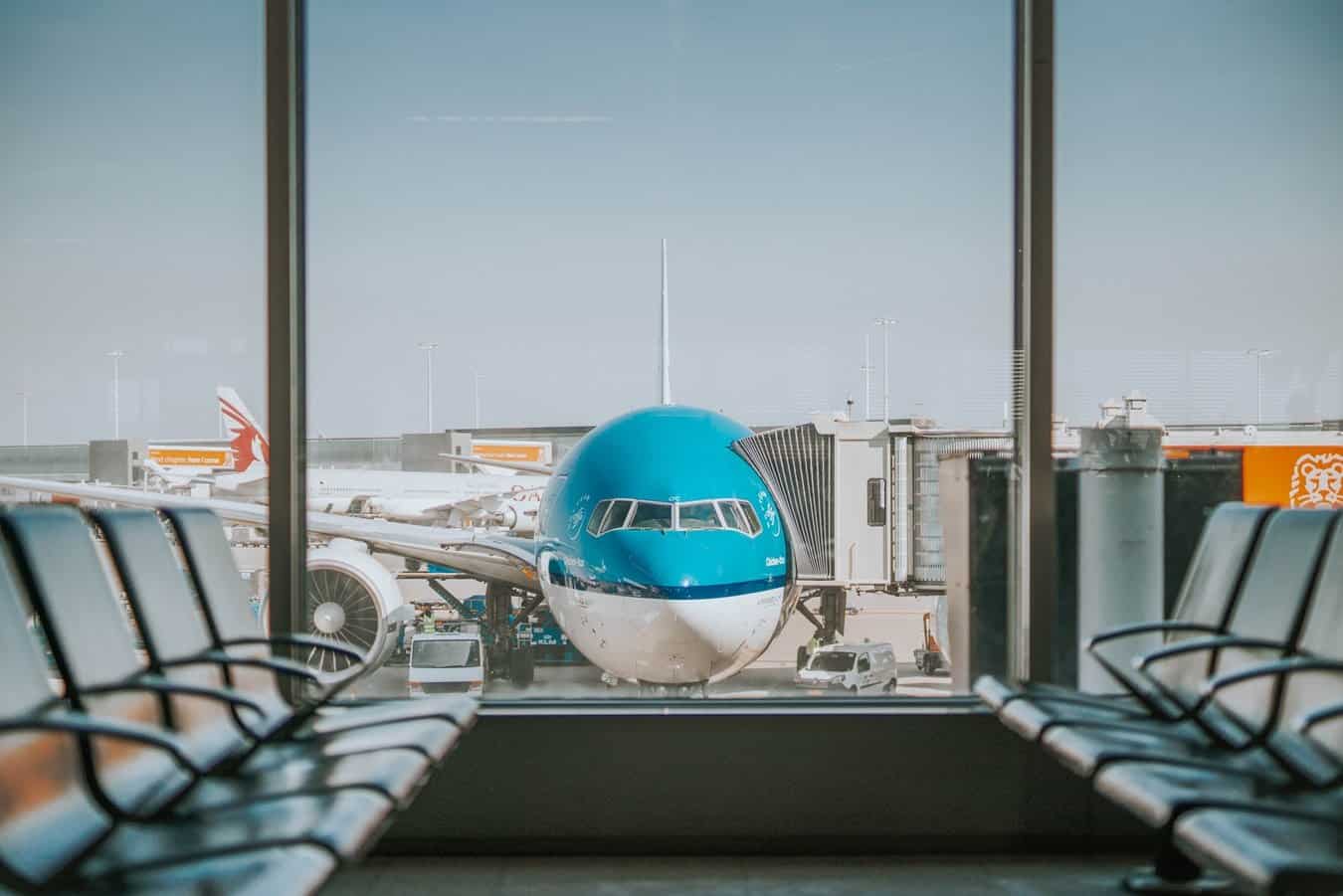
Around 1,000 airport foodservice workers at the San Francisco International Airport went on strike yesterday, demanding better pay and maintenance of their healthcare benefits. The workers, organized with UNITE HERE Local 2, work at 84 of the airport’s restaurants, lounges, and coffee shops. 99.7% of them authorized the strike during a vote in August. Many of the workers, who make an average of nearly $17 an hour, have not seen a wage raise in nearly 3 years; wage negotiations have taken place over the last 9 months. Workers don’t make enough to “pay the rent, [or] put food on the table for the kids,” Local 2 President Anand Singh told the media. “[W]e’ll be out here as long as we need to be out here until we get the negotiations going and get a contract that workers deserve.” Earlier this month, workers engaged in civil disobedience by blocking traffic in front of a terminal at the airport in support of workers demanding higher pay, leading to 41 arrests. Foodservice workers at the San Francisco airport previously struck for higher wages in 2014, lasting two days.
In Starbucks news, Starbucks has sent letters to 234 unionized stores this week, proposing a three-week window in October to bargain for contracts. The coffee-chain has been heavily criticized for its aggressive union-busting since workers in Buffalo filed to organize last winter. In line with Starbucks’ anti-union reputation, the company has been accused of refusing to bargain with stores that have successfully unionized. Some unionized locations have been waiting for over 5 months for a response from Starbucks for their request to bargain. Starbucks Workers United, the union which represents workers at the bargaining table, responded with cautious optimism to the news, stating that the proposal is a “huge victory,” but that “it remains to be seen if Starbucks is willing to engage in a real dialogue with partners and negotiate in good faith.” As of now, Starbucks has begun the bargaining process with only 3 of the approximately 240 unionized Starbucks locations.
The Trader Joes union push continues as workers at a Trader Joes location in Williamsburg, New York City have petitioned to unionize with Trader Joes United. Issues driving this campaign include low wages, lack of healthcare access, inadequate time-off policies, and an unfair disciplinary process. In line with Trader Joes’ recent accusations of union-busting, the grocery chain reportedly fired one of the organizers at the Williamsburg store just one day after management discovered efforts to organize. The store employs 185 workers according to filing documents. If this union drive is successful, the Williamsburg location would become the third Trader Joes with a union in the United States, joining stores in Massachusetts and Minnesota.
Daily News & Commentary
Start your day with our roundup of the latest labor developments. See all
March 31
In today’s news and commentary, the Supreme Court hears a case about Federal Court jurisdiction over arbitration, a UPS heat inspection lawsuit against OSHA is dismissed, and federal worker unions and NGOs call on the EPA to cease laying off its environmental justice staffers. A majority of Supreme Court justices signaled support for allowing federal […]
March 30
Trump orders payment to TSA agents; NYC doormen look to authorize a strike; and KPMG positions for mass layoffs.
March 29
The Department of Veterans Affairs re-terminates its collective bargaining agreement despite a preliminary injunction, and the Federal Labor Relations Authority announces new rules increasing the influence of political appointees over federal labor relations.
March 27
“Cesar Chavez Day” renamed “Farmworkers Day” in California after investigation finds Chavez engaged in rampant sexual abuse.
March 26
Supreme Court hears oral argument in an FAA case; NLRB rules that Cemex does not impose an enforceable deadline for requesting an election; DOL proposes raising wage standards for H-1B workers.
March 25
UPS rescinded its driver buyout program; California court dismissed a whistleblower retaliation suit against Meta; EEOC announced $15 million settlement to resolve vaccine-related religious discrimination case.