
William Greenlaw is a student at Harvard Law School.
Major League Baseball has issued an ultimatum to the players’ union amid their collective bargaining negotiation, saying that if no agreement is reached by Monday, they will begin cancelling regular season games. An MLB spokesman stated, “A deadline is a deadline.” A primary difficulty in these negotiations is that the MLB has control over the playing schedule, so that itself is not negotiable. Representatives from both sides have stated they will work through the weekend to try to work out a deal and have not ruled out that negotiations will still continue even if the deadline is passed. The latest state of the negotiations includes a dispute on how low the competitive balance tax ceiling should be. The CBT is the limit on the cumulative amount players’ on teams can be paid without the team suffering a penalty. Players prefer the cap be higher with lower penalties while the MLB prefers it be lower with higher penalties. Should games be cancelled, it would be the first time since the 1994 and 1995 seasons that the season was shortened due to labor disputes.
The legislative movement on staff unionization continues March 2nd with a new congressional hearing. Originally, congressional staffers anonymously circulated a petition on the unionization question. The original concerns were the infamously low pay and high turnover on Capitol Hill. Since 1996, legislative aides have had the right to unionize under the Congressional Accountability Act, but it has never been invoked. According to the Office of Congressional Workplace Rights, there is no actual legislative action that needs to be passed in order to recognize or bargain with a union. Hence the hearing is a gesture to begin discussing that possibility. The hearing will take place in the House Committee on Administration, chaired by California Democratic Representative Zoe Lofgren.
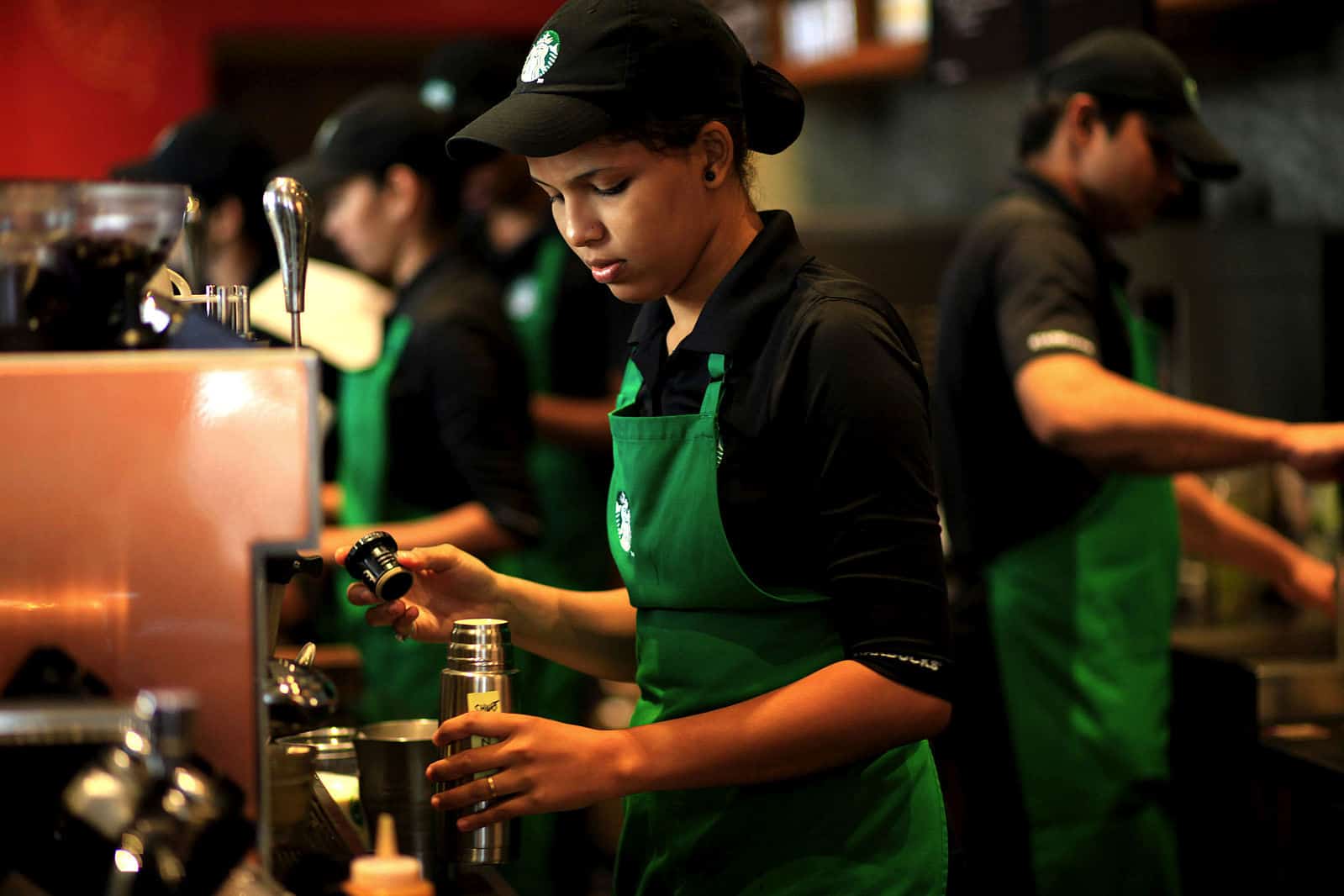
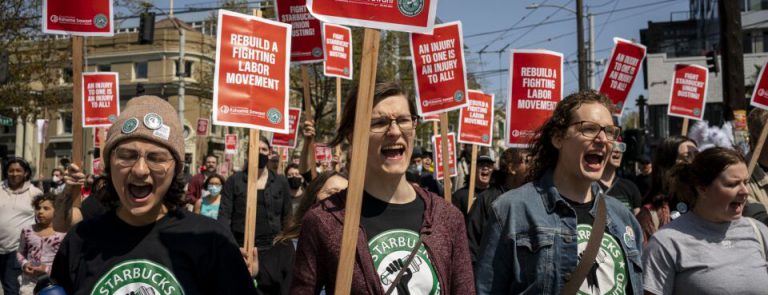
Starbucks Workers United have issued a sharp rebuke of a ruling that delays vote-counting for three of the Starbucks stores’ union efforts in Buffalo. The Starbucks Corporation filed an appeal with the National Labor Relations Board to argue that any union election should include multiple stores, meaning that each election would take more votes to win. Notably, a decision might not come out until the vote has completed. In such a case, the ballots are impounded if the Board has not made a decision by the scheduled count date. Ian Hayes, a lawyer for the Union, stated, “I am done trying to define what is motivating them or why what they do happens. . . . This is the result we got today, I don’t know how else to explain it. I would love to hear an explanation from them.” The Board articulated its procedures, “For every request for review, the Board aims to thoroughly examine the parties’ arguments while also acting quickly to ensure that workers have the opportunity to vote whether or not they want a union to represent them. . . . These competing concerns mean that the Board will not always rule on a request for review before the scheduled count date.” A similar appeal was attempted earlier this week in Arizona, which the Board denied. Especially under a Democratic Board, this could suggest the union will ultimately win.



Daily News & Commentary
Start your day with our roundup of the latest labor developments. See all
October 4
Boston nurses announce open-ended strike; federal judge restores federal prison workers' union protections; St. Louis workers form the first movie theater union in Missouri.
October 2
Gov. Newsom signs bill regulating AI in workplace; federal judge blocks Trump's $100,000 H-1B visa fee.
October 1
Senate confirms Keith Sonderling as Labor Secretary; Amazon warehouse workers launch an unfair labor practice strike.
September 30
Harvard grad union wins in First Circuit; AI data trainers initiate misclassification suits; Trader Joe’s found liable under ERISA.
September 29
Unions, AI companies, and private equity firms form a new coalition to shape data center policies; unions express support for the Paramount-Warner Bros. merger.
September 28
The Protect College Sports Act nears passage in the Senate; San Francisco municipal workers agree to contract extensions.