
Travis Lavenski is a student at Harvard Law School.
In today’s news & commentary, Minnesota nurses vote to strike; Amazon workers walk off the job; Starbucks asks labor board to suspend all union elections; and the Presidential Emergency Board is set to release its recommendations to quell the domestic rail dispute.
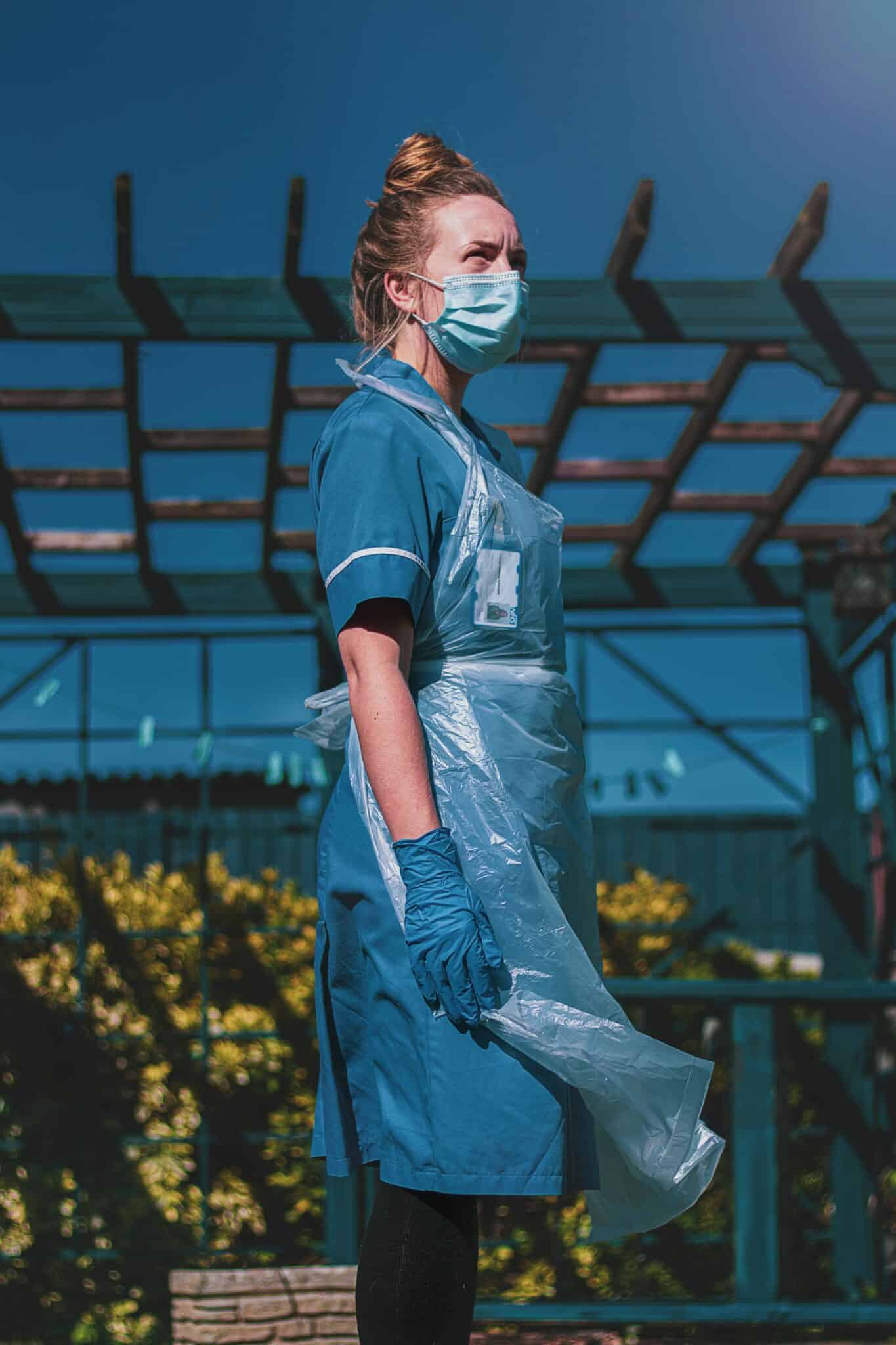
Nearly 15,000 nurses organized with the Minnesota Nurses Association (“MNA”) authorized a strike yesterday, according to a release from the union. The nurses, who work in and around the Twin Cities and the Twin Ports, have worked without a renewed contract for months. The nurses complain of paltry pay raise offers, overworking, understaffing, retention problems, and corporate greed. In effect, the vote authorizes the union to call a strike after granting a 10-day notice to the hospital. If the strike occurs, it would be one of the largest nurse strikes in the history of the United States. The MNA plans to speak to the media today and tomorrow to respond to questions regarding the vote.
More than 150 workers at an Amazon facility in San Bernardino, California walked off the job over low pay and lack of heat safety yesterday, according to organizers with Inland Empire Amazon Workers United. The plant, KSBD, is the largest warehouse hub in the country. Workers at KSBD have been organizing for months, demanding a $5/hr wage increase for all workers at the plant, and some additional raises for certain workers on night shift or with specific titles. Workers spoke to the Washington Post about their experiences working at Amazon, describing “heat-induced nosebleeds” and the struggles of making ends meet on their current salary. Workers at KSBD have not filed with the NLRB yet, but are reportedly considering doing so in the future.
Starbucks has reportedly asked the National Labor Relations Board to suspend union elections at its stores due to allegations of improper NLRB conduct during a union vote at a Kansas Starbucks location earlier this year. The company alleges that an NLRB employee “engaged in highly improper, systemic misconduct involving Starbucks and Workers United” when he allowed workers to vote in person for an election that was supposed to be conducted via mail. The company argued that this casted doubt on the validity of the election in Kansas, as well as other elections across the country. Starbucks has engaged in a scorched-Earth union-busting campaign since workers in Buffalo announced their intent to organize late last year. Some in the labor movement view this suspension request as another attempt to disrupt the union’s momentum. Starbucks Workers United responded to the request, declaring that it is “[u]ltimately [] Starbucks’ latest attempt to manipulate the legal process for their own means and prevent workers from exercising their fundamental right to organize.”
The Presidential Emergency Board (“PEB”) is set to release their recommendations for settling the dispute between American rail workers and management today. As I have previously written for the Blog, rail workers have threatened to strike after over 2 years of contract negotiations have led nowhere. After the release of the proposed settlement, there will be a ban of any strikes or lockouts for 30-days while the parties consider their options. In the event the workers reject the recommendations, the United States could see the biggest rail strike in recent memory as soon as next month.



Daily News & Commentary
Start your day with our roundup of the latest labor developments. See all
October 9
DHS proposes a $100k fee for the foreign grad employment program; Trump suspends tech company access to green card program; and private equity perpetuates poor working conditions for home care workers.
October 8
NLRB judge finds UPS unlawfully restricted union insignia; Harvard graduate workers authorize second strike; OSHA orders Union Pacific to pay $300,000 in damages in whistleblower case.
October 7
DOL scraps plan to remove decades-old wage-and-hour guidance from federal regulations; New York enacts personnel records access law; Starbucks loses bid to dismiss Workers United trademark suit.
October 6
Protect College Sports Act dampens athlete unionization outlook; Stanford RA union decides to withdraw petition
October 5
Delaware bans captive audience meetings; EEOC settles remote work national origin discrimination claim; First Circuit stays enforcement order in VA's dispute with AFGE.
October 4
Boston nurses announce open-ended strike; federal judge restores federal prison workers' union protections; St. Louis workers form the first movie theater union in Missouri.