
Jason Vazquez is a staff attorney at the International Brotherhood of Teamsters. He graduated from Harvard Law School in 2023. His writing on this blog reflects his personal views and should not be attributed to the Teamsters.
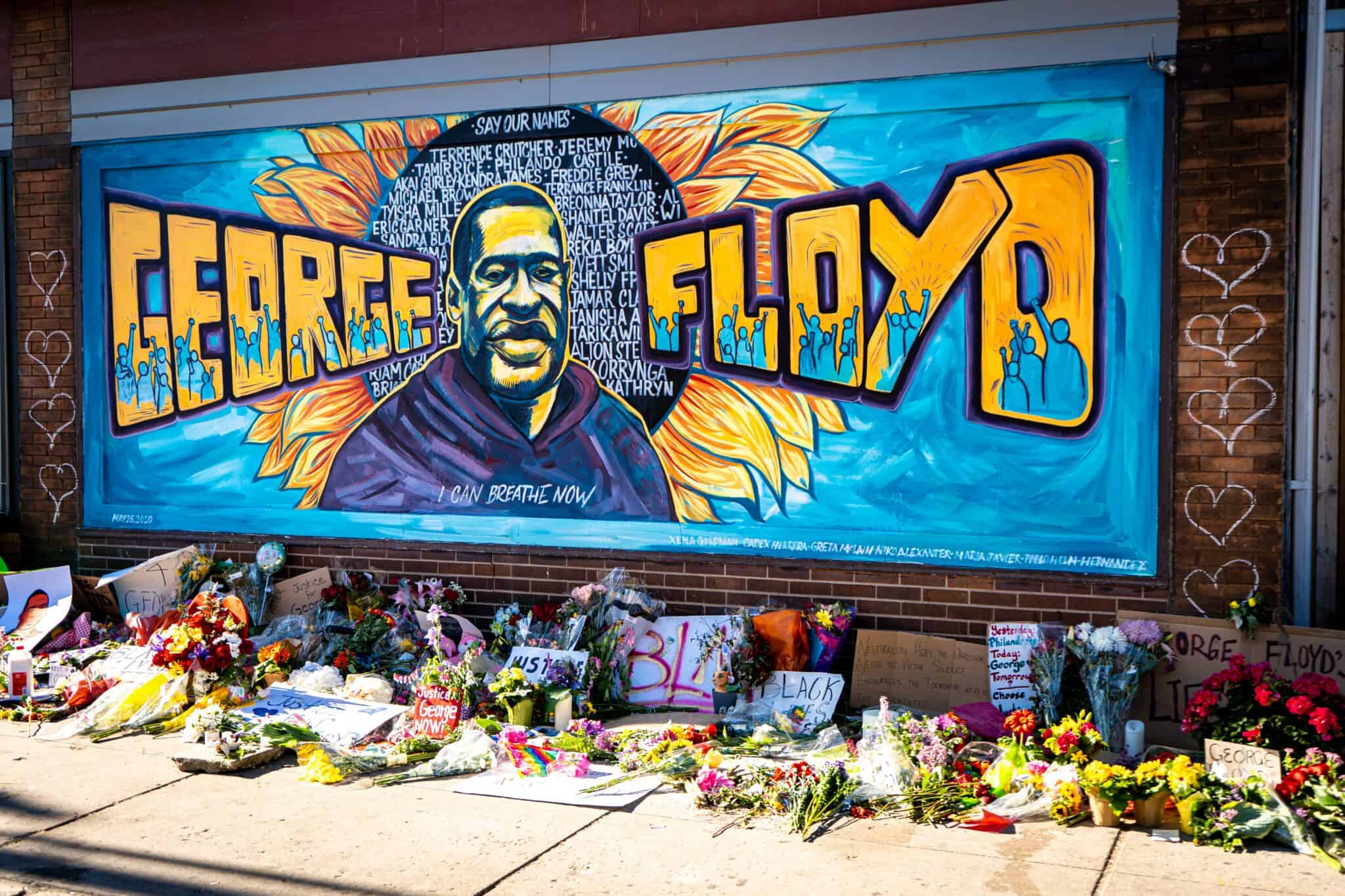
Labor unions have broadly embraced the conviction of Derek Chauvin, the former Minneapolis police officer who killed George Floyd and catalyzed a national movement for racial justice. In expressing support for the conviction, unions underscored the ties between racial and economic justice. This display of sensitivity to threads connecting systems of racial and class subordination is encouraging. Intersectional solidarity propels all movements for social justice.
In political news, Senator Angus King, a Maine independent who caucuses with the Democrats, has, somewhat reluctantly, signed on as the latest cosponsor of the PRO Act. His support was reportedly spurred by a flood of calls his office received from working people across his state expressing support for the bill, a campaign choreographed by a coalition of labor groups. King is the second centrist lawmaker to lend his support to the measure in recent days; Senator Joe Manchin (D-WV) agreed to back the bill last week. The bill now has 49 Senate cosponsors, who collectively represent a wide majority of the US population. Impressive, yet insufficient to overcome the antidemocratic instrument known as the filibuster, which enables a minority to block legislation and has been used for decades to stymie labor law reform.
A recent Gallup report surveying the economic fallout of the pandemic underscores not only the devastation and dislocation it unleashed but how it disproportionately ravaged the most marginalized. The study finds that furloughs and income loss were overwhelmingly concentrated among the poor and, strikingly, that nearly half of all furloughed employees struggled to secure food, fuel, or shelter.
Moments of social upheaval, while destructive and disorienting, can serve as vehicles for transformative change. Let’s hope this collective trauma — and the precarity, inequality, and atomization it deepened — motivates policymakers to reshape our economic order in a more equitable direction.



Daily News & Commentary
Start your day with our roundup of the latest labor developments. See all
October 9
DHS proposes a $100k fee for the foreign grad employment program; Trump suspends tech company access to green card program; and private equity perpetuates poor working conditions for home care workers.
October 8
NLRB judge finds UPS unlawfully restricted union insignia; Harvard graduate workers authorize second strike; OSHA orders Union Pacific to pay $300,000 in damages in whistleblower case.
October 7
DOL scraps plan to remove decades-old wage-and-hour guidance from federal regulations; New York enacts personnel records access law; Starbucks loses bid to dismiss Workers United trademark suit.
October 6
Protect College Sports Act dampens athlete unionization outlook; Stanford RA union decides to withdraw petition
October 5
Delaware bans captive audience meetings; EEOC settles remote work national origin discrimination claim; First Circuit stays enforcement order in VA's dispute with AFGE.
October 4
Boston nurses announce open-ended strike; federal judge restores federal prison workers' union protections; St. Louis workers form the first movie theater union in Missouri.