
Everest Fang is a student at Harvard Law School.
In today’s news and commentary: Boeing will resume talks with its union, UAW plans to hold strike authorization votes at Stellantis local chapters, and a district court judge in Texas finds that protections for NLRB judges are unconstitutional.
Boeing will resume talks with the its largest union today. As Sunah wrote yesterday, over 30,000 Boeing factory workers have been on strike since last Friday, prompting cost-cutting measures from the company. During negotiations yesterday, the two sides failed to agree on key issues of wages and pensions. The meeting took place in Seattle, where small teams from Boeing and the union convened with representatives from the Federal Mediation and Conciliation Service. Most of the workers covered by the talks are represented by District 751 of the machinists’ union in Seattle. A small number work at a parts plant in Portland, Ore., and are represented by District W24 of the union.
Yesterday, Shawn Fain announced that UAW plans to hold strike authorization votes at one or more of its Stellantis local chapters in the coming days. The announcement comes just a day after UAW announced it had filed unfair labor charges against Stellantis, as Sunah wrote yesterday. Fain has in recent months called out Stellantis CEO Carlos Tavares for failing to keep the product and investment commitments the automaker agreed to after the union conducted a six-week strike last fall. Local Stellantis chapters have filed grievances related to the company’s alleged plan to move production of the Dodge Durango out of the United States. Stellantis said they have not confirmed any plans to move production of the vehicle. In line with union processes, Stellantis has several opportunities to respond to the UAW grievances. If the issue is unresolved, the union has 60 days to hold a vote on whether to strike. If a majority of workers at a union local authorize a strike, the UAW will meet with the company seven times and either resolve the issue or strike
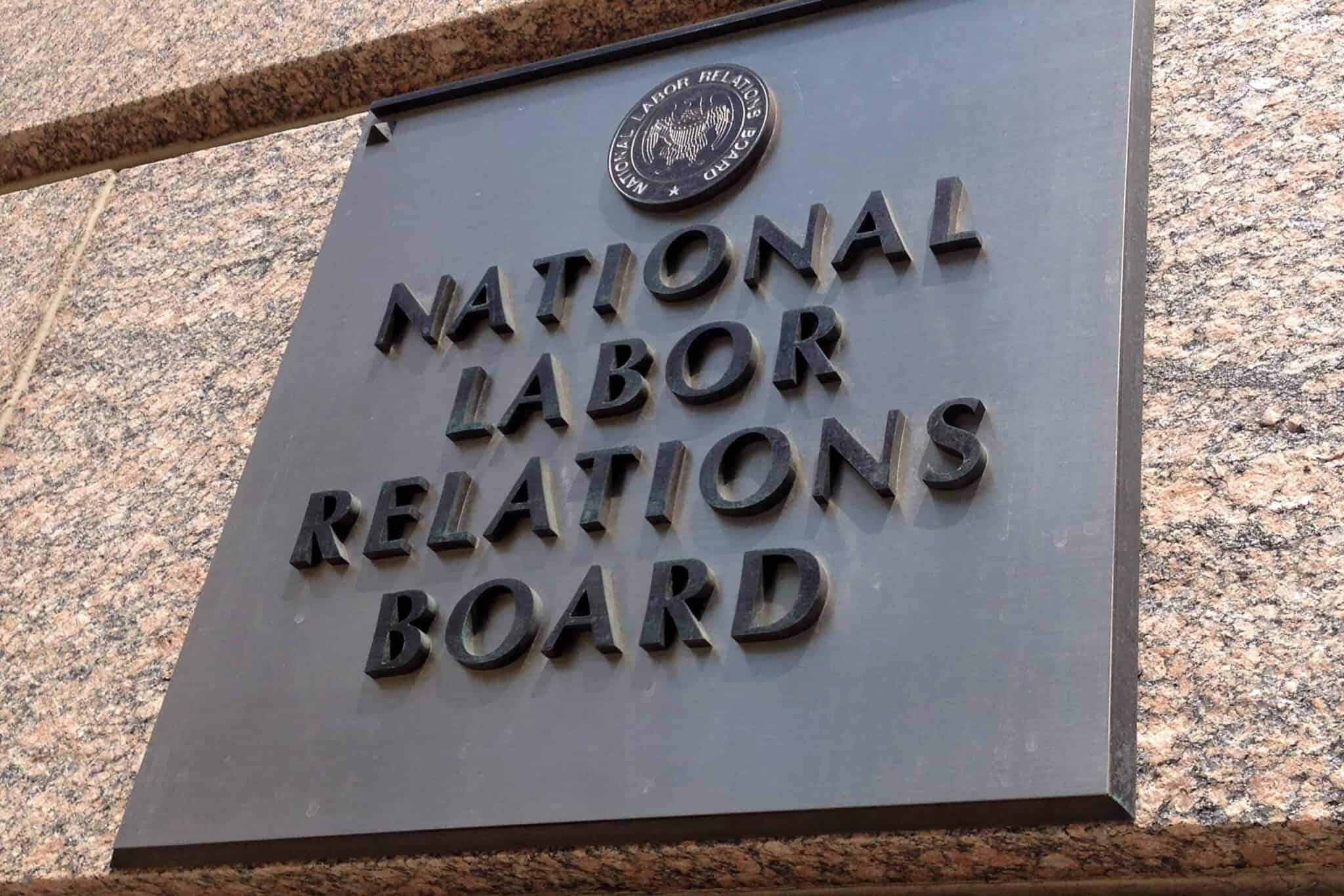
On Monday, Findhelp, a public benefits corporation, won a court order preventing the NLRB from moving forward with an unfair labor practice case alleging the company illegally fired a slew of union organizers. Judge Mark Pittman agreed with Findhelp’s claim that NLRB administrative law judges are unconstitutionally shielded from being fired by the president, citing Fifth Circuit precedent disapproving of similar removal protections for the SEC’s in-house judges. Judge Pittman rejected the NLRB’s argument that the Findhelp isn’t entitled to relief from a court until the president tries to remove the administrative law judge in the case. According to Pittman, the potential that Findhelp could be forced to participate in a constitutionally defective administrative proceeding is enough to let the company sue. Two federal judges outside of the Fifth Circuit have rejected preliminary injunction requests that attacked the constitutionality of NLRB ALJs’ removal protections. The deepening divide raises the likelihood that the Supreme Court will eventually settle the debate.


Daily News & Commentary
Start your day with our roundup of the latest labor developments. See all
April 8
The Writers Guild of America reaches a tentative deal with the Alliance of Motion Picture and Television Producers; the EEOC recovers almost $660 million in compensation for employment discrimination in 2025; and highly-skilled foreign workers consider leaving the United States in light of changes to the H-1B visa program.
April 7
WGA reaches deal with studios; meatpacking strike brings employer back to table; union leaders take on AI.
April 6
Trump to shrink but not eliminate CFPB, 9th Circuit nixes use of issue preclusion to invalidate arbitration agreements.
April 5
Trump proposes DOL budget cuts; NLRB rules in favor of cannabis employees; Florida warehouse workers unanimously authorize strike.
April 3
NLRB says Amazon failed to bargain with union; Harvard graduate workers authorize strike, and states move to preempt local employment law.
April 2
Sheridan, Colorado educators go on strike; Maryland graduate student workers are one step closer to collective bargaining rights.