
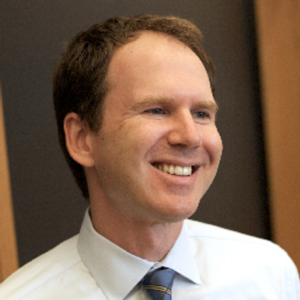
Benjamin Sachs is the Kestnbaum Professor of Labor and Industry at Harvard Law School and a leading expert in the field of labor law and labor relations. He is also faculty director of the Center for Labor and a Just Economy. Professor Sachs teaches courses in labor law, employment law, and law and social change, and his writing focuses on union organizing and unions in American politics. Prior to joining the Harvard faculty in 2008, Professor Sachs was the Joseph Goldstein Fellow at Yale Law School. From 2002-2006, he served as Assistant General Counsel of the Service Employees International Union (SEIU) in Washington, D.C. Professor Sachs graduated from Yale Law School in 1998, and served as a judicial law clerk to the Honorable Stephen Reinhardt of the United States Court of Appeals for the Ninth Circuit. His writing has appeared in the Harvard Law Review, the Yale Law Journal, the Columbia Law Review, the New York Times and elsewhere. Professor Sachs received the Yale Law School teaching award in 2007 and in 2013 received the Sacks-Freund Award for Teaching Excellence at Harvard Law School. He can be reached at [email protected].
Rich Yeselson’s recent article on “Fortress Unionism” prompted a reply from Bruce Raynor (former president of UNITE HERE) and Andy Stern (former president of SEIU). The debate is over the future of the labor movement. The disagreement could not be more stark.
Here’s what Raynor and Stern wrote to us yesterday:
As long term International Presidents of national unions, we were provoked to respond to Rich Yeselson’s recent article on “Fortress Unionism.” Although Yeselson’s article raises important questions, we think it suggests the wrong answers about the best course forward for the American labor movement. As we explain in our response, we have some very different ideas about the future. The ongoing campaigns among Wal-Mart and fast food workers, along with the recent efforts of the AFL-CIO, reveal just how important these issues are. We invite ongoing debate – on this blog and elsewhere – about these questions. Let the discussion continue, it matters.
Anyone interested in workers and unions and the future of the labor movement should read these two articles, both in Democracy. Those interested in replying to Raynor and Stern should submit proposed posts to me.





Daily News & Commentary
Start your day with our roundup of the latest labor developments. See all
October 11
UAW President Shawn Fain succeeds in his reelection bid, and Spanish unions call for a general strike.
October 9
DHS proposes a $100k fee for the foreign grad employment program; Trump suspends tech company access to green card program; and private equity perpetuates poor working conditions for home care workers.
October 8
NLRB judge finds UPS unlawfully restricted union insignia; Harvard graduate workers authorize second strike; OSHA orders Union Pacific to pay $300,000 in damages in whistleblower case.
October 7
DOL scraps plan to remove decades-old wage-and-hour guidance from federal regulations; New York enacts personnel records access law; Starbucks loses bid to dismiss Workers United trademark suit.
October 6
Protect College Sports Act dampens athlete unionization outlook; Stanford RA union decides to withdraw petition
October 5
Delaware bans captive audience meetings; EEOC settles remote work national origin discrimination claim; First Circuit stays enforcement order in VA's dispute with AFGE.