
Sunah Chang is a student at Harvard Law School.
In today’s news and commentary: Ford’s executive chairman publicly urges the UAW to end ongoing strikes, Detroit casino workers prepare to strike following contract expirations, and Chevron workers in Australia plan to restart strikes after stalled negotiations.
Yesterday, Ford’s executive chairman Bill Ford warned at a press conference that the ongoing UAW strike will threaten the future of the company and the American economy, urging the union to end its strike. Ford stated, “This should not be Ford versus the UAW. It should be Ford and the UAW vs. Toyota and Honda, Tesla, and all the Chinese companies that want to enter our home.” The press conference, which was held in the company’s Rouge assembly plant in Dearborn, Michigan, signaled a rare move by the company to make a public plea to the union during contract negotiations.
In response, UAW president Shawn Fain commented, “It’s not the UAW and Ford against foreign automakers. It’s autoworkers everywhere against corporate greed.” Fain also increased pressure on the company, noting, “Bill Ford knows exactly how to settle this strike. Instead of threatening to close the Rouge, he should call up Jim Farley, tell him to stop playing games and get a deal done, or we’ll close the Rouge for him.” The union has now entered its fifth week on strike, with 34,000 autoworkers striking against Ford, GM, and Stellantis.
Meanwhile, thousands of union workers from three casinos in Detroit plan to begin striking today at noon. The union contracts with the casinos expired last night at 11:59 p.m. without the parties reaching a new deal. These prior contracts, which the unions negotiated during the beginning of the COVID-19 pandemic, made significant concessions to the casinos in order to prioritize keeping the casinos afloat during uncertain times. But now, in-person gambling has exceeded full-financial recovery since the pandemic, with the three Detroit casinos generating a combined total of $2.27 billion in gaming revenue last year. In this changing landscape, union workers are demanding higher wages as well as improvements in healthcare and retirement benefits.
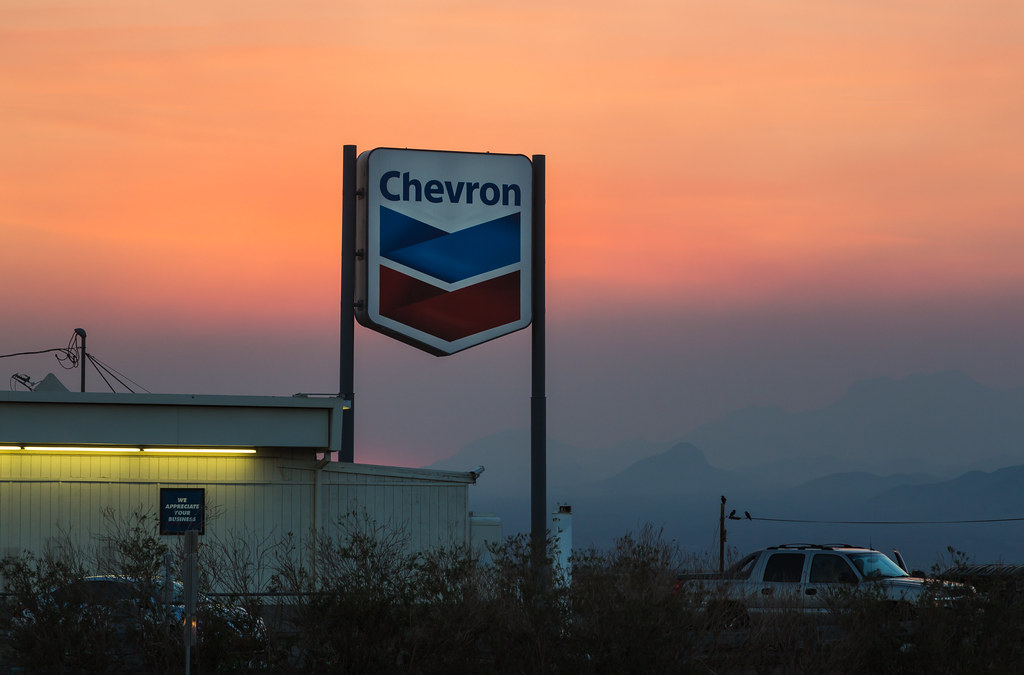
Across the globe in Australia, more strikes are underway. Yesterday, union workers at Chevron’s liquefied natural gas facilities announced that they planned to resume strikes after failed negotiations with Chevron. Late last month, the union called off weeks of strikes after the union and Chevron agreed to accept an employment deal proposed by Australia’s Fair Work Commission, which covered agreements about pay and other workplace conditions. However, the parties’ deal soon broke apart, with the union contending that Chevron had backed out on promises set out in the deal. Following unsuccessful negotiations yesterday, the union announced that it plans to restart strikes later this week.


Daily News & Commentary
Start your day with our roundup of the latest labor developments. See all
May 6
Trump Administration exempts foreign doctors from travel ban; job openings hold steady at 6.9 million; 30,000 healthcare workers prepare to strike across University of California hospitals.
May 5
SAG-AFTRA strikes tentative deal; DOL set to decide on Biden overtime rule; IATSE files unfair labor practice charges against the Kennedy Center
May 4
Trump signs order to expand retirement plan access; Eleventh Circuit upholds NLRB determination that security guard lieutenants can unionize; REI workers launch consumer boycott.
May 3
Florida further restricts public employee unions; Yale begins negotiations with postdoc union, and online tabletop game developers seek to unionize.
May 1
Workers and unions organize May Day; and Volkswagen challenges NLRB regional directors.
April 30
US Circuit Court of Appeals renders decision on Jefferson Standard test; construction subcontractors settle over wage theft in Minnesota; union and immigrant groups urge walkout.