
Michelle Berger is a student at Harvard Law School.
In today’s News and Commentary: Actors have a contract and President Biden is meeting with UAW president Shawn Fain in Illinois.
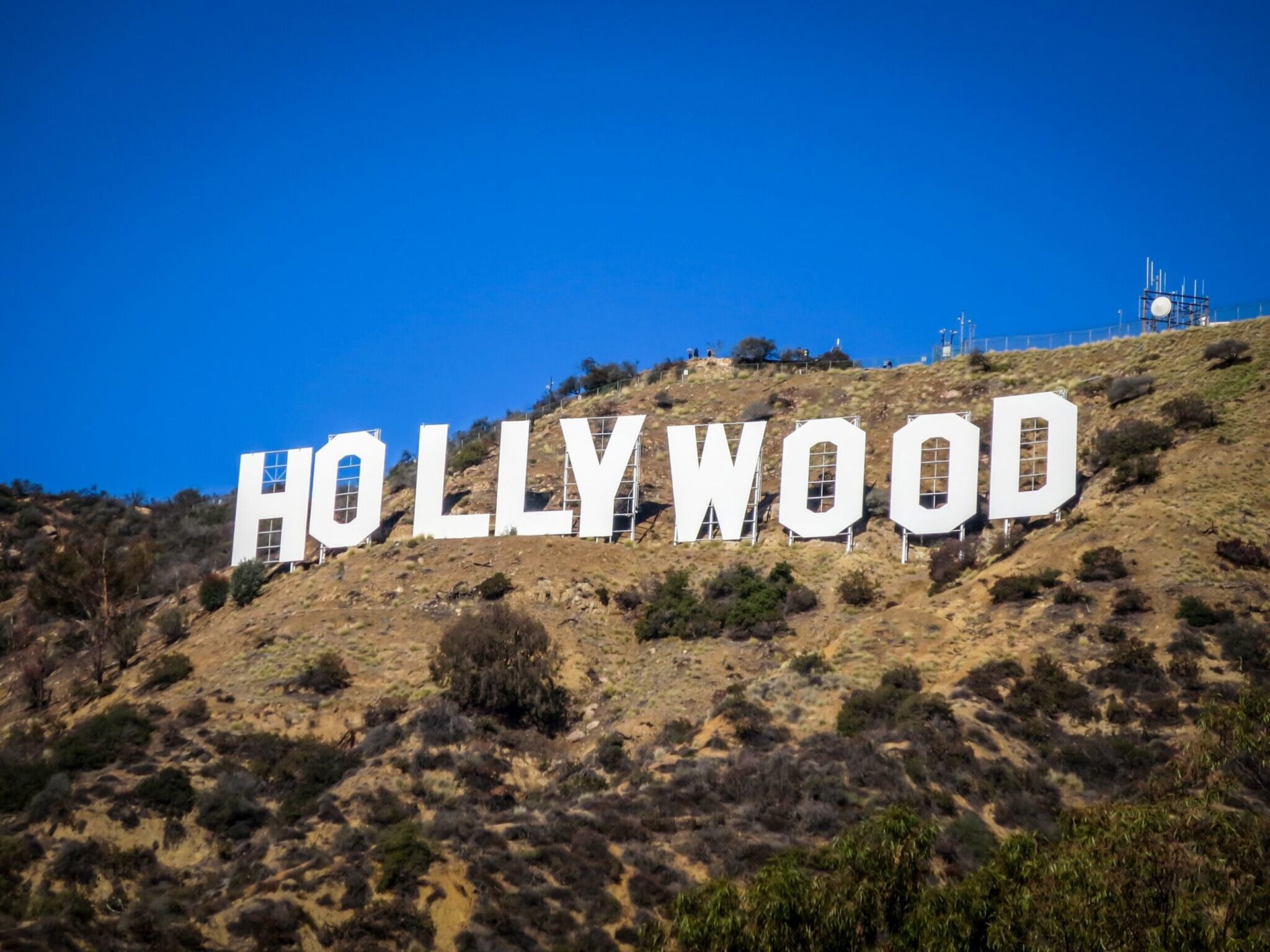
The Hollywood actors’ strike ended at 12:01 Pacific Time today. It has been 118 days since the tens of thousands of actors represented by SAG-AFTRA struck in July amid contract negotiations with the Alliance of Motion Picture and Television Producers (AMPTP). The tentative contract between SAG-AFTRA and the AMPTP will be released Friday. The actors are expected to have won significant concessions in two key areas: compensation from streaming and the use of AI.
Several factors appear to have made the actors’ strike successful. The strike was wide-reaching, with the actors refusing to even promote any struck work. The actors joined Hollywood’s writers, who were on strike from May until September, effectively bringing Hollywood to a standstill. And even as the strike stretched on, the rank-and-file held strong. Thousands of actors signed an open letter last month saying “we would rather stay on strike than take a bad deal.” This is particularly remarkable because SAG-AFTRA’s membership is far from monolithic––while there are iconic movie stars among its membership, the union says that 80 percent of SAF-AFTRA members make less than $27,000 annually.
President Joe Biden is in Illinois today, where he will appear with UAW president Shawn Fain and make a speech discussing the UAW’s historic contract with the Big 3 and his administration’s economic agenda. Unlike many other major labor organizations, the UAW has not yet endorsed Biden for president, but some commentators expect that endorsement soon. Biden visited a picket line of striking UAW workers in Michigan in September, a presidential first in American History. Jason and Kevin discuss Biden’s record on labor issues in greater depth here.





Daily News & Commentary
Start your day with our roundup of the latest labor developments. See all
October 16
Department of Labor reduces wage-and-hour enforcement at unionized workplaces; Fain's victory poses question of federal monitor's extension.
October 15
New reporting examines the rollback of child labor protections; California tries to block a strike; NLRB charges Wisconsin mental health provider with firing workers during union drive.
October 14
Eleventh Circuit overturns ERISA exhaustion rule; DHS finalizes removal of automatic renewal for work permits; AFGE challenges SSA over flexible scheduling policy.
October 13
Chicago hotel workers remain on strike; a coalition of Democratic states sues the Labor Department over canceled unemployment insurance grants; the Federal Labor Relations Authority establishes a new mediation framework for federal worker disputes.
October 12
Workers at the Obama Foundation begin organizing; MLB submits its latest collective bargaining agreement proposal; Brigham & Women's nurses postpone strike.
October 11
UAW President Shawn Fain succeeds in his reelection bid, and Spanish unions call for a general strike.