

McDonald’s announced today that it plans to raise U.S. workers’ hourly wage by $1 per hour and increase benefits by the end of 2016, The Wall Street Journal and Time report (note that the WSJ article is behind a pay wall). The changes will affect workers in roughly 1,500 U.S. restaurants. The new benefits will allow those “employees to earn up to five days of paid vacation every year following one year of employment.”
Hesitant to be excited due to the risk that this is a cruel April Fools’ Day trick? It is not, but there is a catch. The pay raise and new benefits won’t apply to workers employed by McDonald’s franchisees, who operate “90 percent of the company’s U.S. restaurants.”
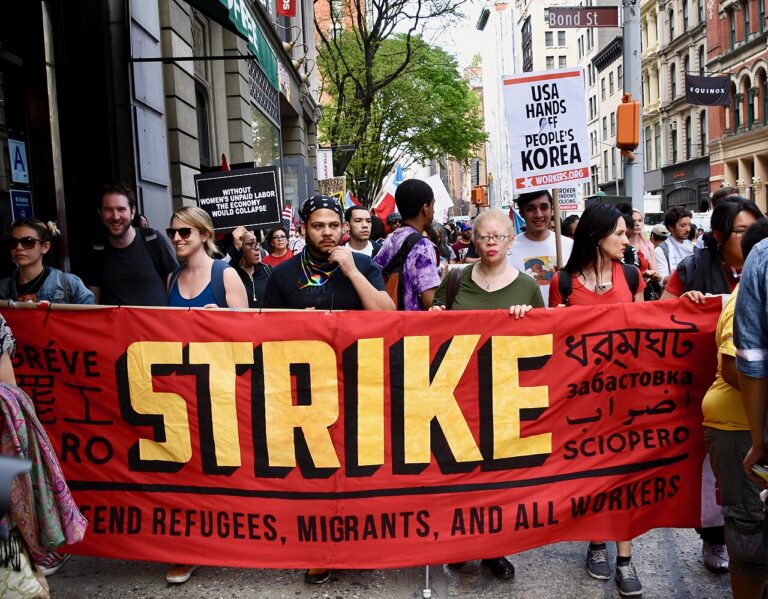
This news comes during the same week as NLRB hearing proceedings concerning whether McDonald’s is jointly responsible for labor violations at its franchisees. Also this week, fast-food workers and organizers announced a one-day strike and national day of action on April 15, as part of their campaign for $15 hourly wages and the right to unionize without retaliation. The announcement was made at an event outside of the McDonald’s in New York’s Times Square.



Daily News & Commentary
Start your day with our roundup of the latest labor developments. See all
January 26
Unions mourn Alex Pretti, EEOC concentrates power, courts decide reach of EFAA.
January 25
Uber and Lyft face class actions against “women preference” matching, Virginia home healthcare workers push for a collective bargaining bill, and the NLRB launches a new intake protocol.
January 22
Hyundai’s labor union warns against the introduction of humanoid robots; Oregon and California trades unions take different paths to advocate for union jobs.
January 20
In today’s news and commentary, SEIU advocates for a wealth tax, the DOL gets a budget increase, and the NLRB struggles with its workforce. The SEIU United Healthcare Workers West is advancing a California ballot initiative to impose a one-time 5% tax on personal wealth above $1 billion, aiming to raise funds for the state’s […]
January 19
Department of Education pauses wage garnishment; Valero Energy announces layoffs; Labor Department wins back wages for healthcare workers.
January 18
Met Museum workers unionize; a new report reveals a $0.76 average tip for gig workers in NYC; and U.S. workers receive the smallest share of capital since 1947.