
Ajayan Williamson is a student at Harvard Law School.
In today’s news and commentary, a North Carolina court upholds DOL protections for temporary farmworkers; the Fifth Circuit rejects Amazon’s early appeal in its constitutional challenge to the NLRB; and New Jersey’s transportation authority navigates negotiations and a potential strike.
On Monday, a federal district court in North Carolina upheld a Department of Labor rule that increased protections for farmworkers on temporary H-2A visas. The rule was promulgated in 2024 through DOL’s authority under the Immigration and Nationality Act. It provides protections against captive audience meetings, Weingarten-style rights to bring coworkers to investigatory meetings, and some limited access rights for guests — including union organizers — in employer-owned housing. In upholding the rule, the district court rejected a variety of arguments, including the plaintiffs’ contention that the rule was Garmon or Machinists preempted. But the holding conflicts with injunctions issued by district courts in Georgia, Kentucky, and Mississippi, creating a patchwork of protections across different states.
Meanwhile, the Fifth Circuit dismissed Amazon’s appeal of the “constructive denial” of its request for an injunction in its constitutional challenge to the NLRB. Amazon filed the suit last September, arguing that there are constitutional problems with the NLRB’s combination of prosecutorial and adjudicative functions, lack of juries, and removal protections for board members. As Kevin explains, there are multiple flaws in these arguments on the merits — but the Fifth Circuit dismissed solely on procedural grounds, ruling that Amazon had brought the appeal too early.
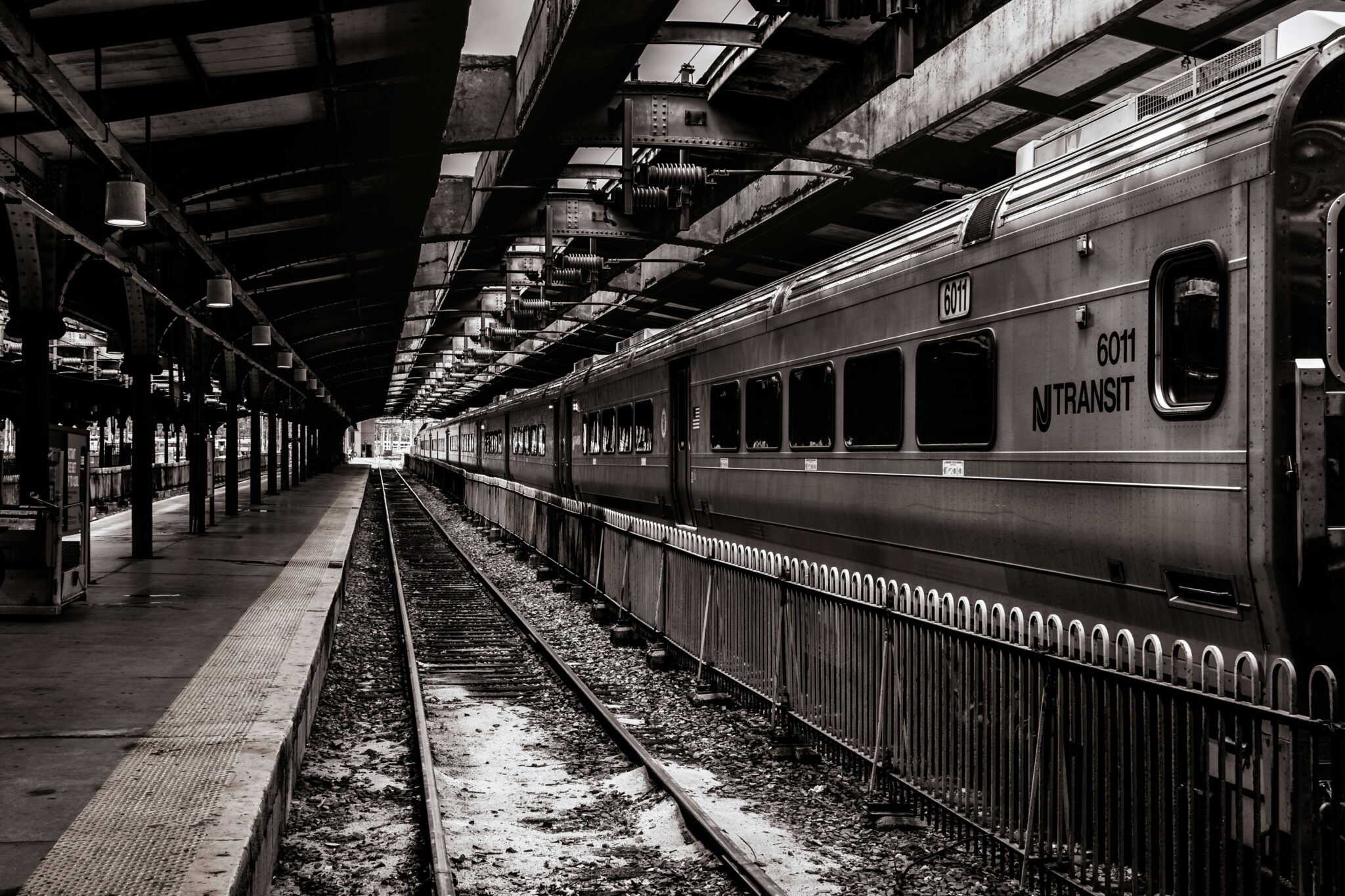
NJ Transit, New Jersey’s public transportation authority, reached a deal with the Amalgamated Transit Union (ATU) on Wednesday. The ATU represents bus drivers, clerical workers, mechanics, and other maintenance workers. But a strike remains possible this month as contentious negotiations continue between NJ Transit and the Brotherhood of Locomotive Engineers and Trainmen (BLET), which represents NJ Transit engineers. Kris Kolluri, NJ Transit’s CEO, claims that the BLET rejected an offer to increase engineers’ salary to $172,000; the BLET claims that no such offer was made. NJ Transit has also publicly announced a “contingency plan” in the event of a strike. The announcement says the BLET is “threatening to disrupt the lives of more than 350,000 commuters” — Kolluri says the announcement is “not a negotiating tactic.”




Daily News & Commentary
Start your day with our roundup of the latest labor developments. See all
July 31
Legislators move to end mandatory arbitration in employment contracts; NYC tip laws result in greater pay for delivery workers; women's college basketball players seek to unionize.
July 30
Supreme Court denies Cemex's bid to pause bargaining order; employers remain exposed to Title VII suits over English-only rules; Texas judge declines to enjoin NLRB proceeding despite unconstitutional removal protections.
July 29
NYC public defender strikes spread to the Bronx; NLRB drops challenge to New York labor law after Amazon wins its case; new data shows appointments of women and minorities to S&P 500 boards at lowest level in a decade.
July 28
DOJ drops charges against SEIU California president; Massachusetts nurses file ULP against hospital; Democratic lawmakers look to remove damage caps in employment discrimination cases
July 27
NY Port Authority proceeds to trial on PUMP Act case; First Circuit denies stay in order vacating H-1B visa fee; DC Circuit panel denies First Amendment claim over disclosure of confidential emails in allegation of prison's COVID-19 mismanagement.
July 24
EEOC drops request for UPenn's Jewish staff; Starbucks defeats mail-in ballots; and Mamdani appoints Lina Khan.