
Justin Cassera is a student at Harvard Law School.
In today’s news and commentary, a judge blocks mass layoffs at the Department of Education, the EPA rolls out an AI tool, and Chiquita fires striking workers.
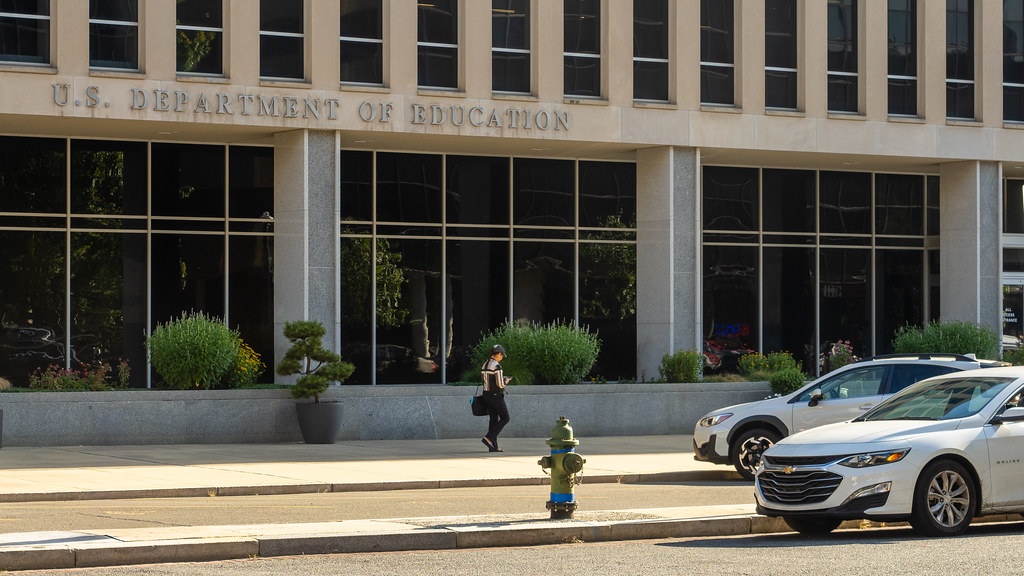
Late last week, a federal judge blocked President Trump’s order that sought to fire more than half of the Department of Education’s workforce. Judge Myong Joun, a Biden appointee, said that the personnel cuts would “likely cripple the department” and threaten the execution of “statutorily mandated functions.” In response, the Education Department released a statement saying, “once again, a far-left Judge has dramatically overstepped his authority” to block the Trump administration’s efforts to make the department more efficient and functional.
The EPA is rolling out an artificial intelligence tool to “supercharge” the agency’s capabilities. The tool, which is based on OpenAI, is viewed to be “a workforce multiplier” that will cut down on the time it takes agency members to perform routine duties. Carter Farmer, the EPA’s chief information officer, stated that the tool is not intended to replace staff. The project began under the Biden administration but is in line with President Trump’s broad support for artificial intelligence.
On Thursday, banana giant Chiquita Brands announced the firing of its daily workers in Panama who have been on strike for more than three weeks. The strike, which included approximately 5,000 people, is part of nationwide protests against government reforms to the social security system. Panamanian President José Raúl Mulino voiced support for the firings, calling the strike illegal and harmful to the region’s economy. The statement characterized the strike as an “unjustified abandonment of work” that has cost the company at least $75 million.


Daily News & Commentary
Start your day with our roundup of the latest labor developments. See all
April 1
DOL proposes 401(k) rule; Starbucks investors reelect controversial board members; Washington passes workplace immigration warning requirement.
March 31
In today’s news and commentary, the Supreme Court hears a case about Federal Court jurisdiction over arbitration, a UPS heat inspection lawsuit against OSHA is dismissed, and federal worker unions and NGOs call on the EPA to cease laying off its environmental justice staffers. A majority of Supreme Court justices signaled support for allowing federal […]
March 30
Trump orders payment to TSA agents; NYC doormen look to authorize a strike; and KPMG positions for mass layoffs.
March 29
The Department of Veterans Affairs re-terminates its collective bargaining agreement despite a preliminary injunction, and the Federal Labor Relations Authority announces new rules increasing the influence of political appointees over federal labor relations.
March 27
“Cesar Chavez Day” renamed “Farmworkers Day” in California after investigation finds Chavez engaged in rampant sexual abuse.
March 26
Supreme Court hears oral argument in an FAA case; NLRB rules that Cemex does not impose an enforceable deadline for requesting an election; DOL proposes raising wage standards for H-1B workers.