
Esther Ritchin is a student at Harvard Law School.
In today’s News & Commentary: McDonald’s affiliated-group opposes New York bill enhancing worker protections, University of Pennsylvania graduate students vote to unionize, and Finland limits strike durations.
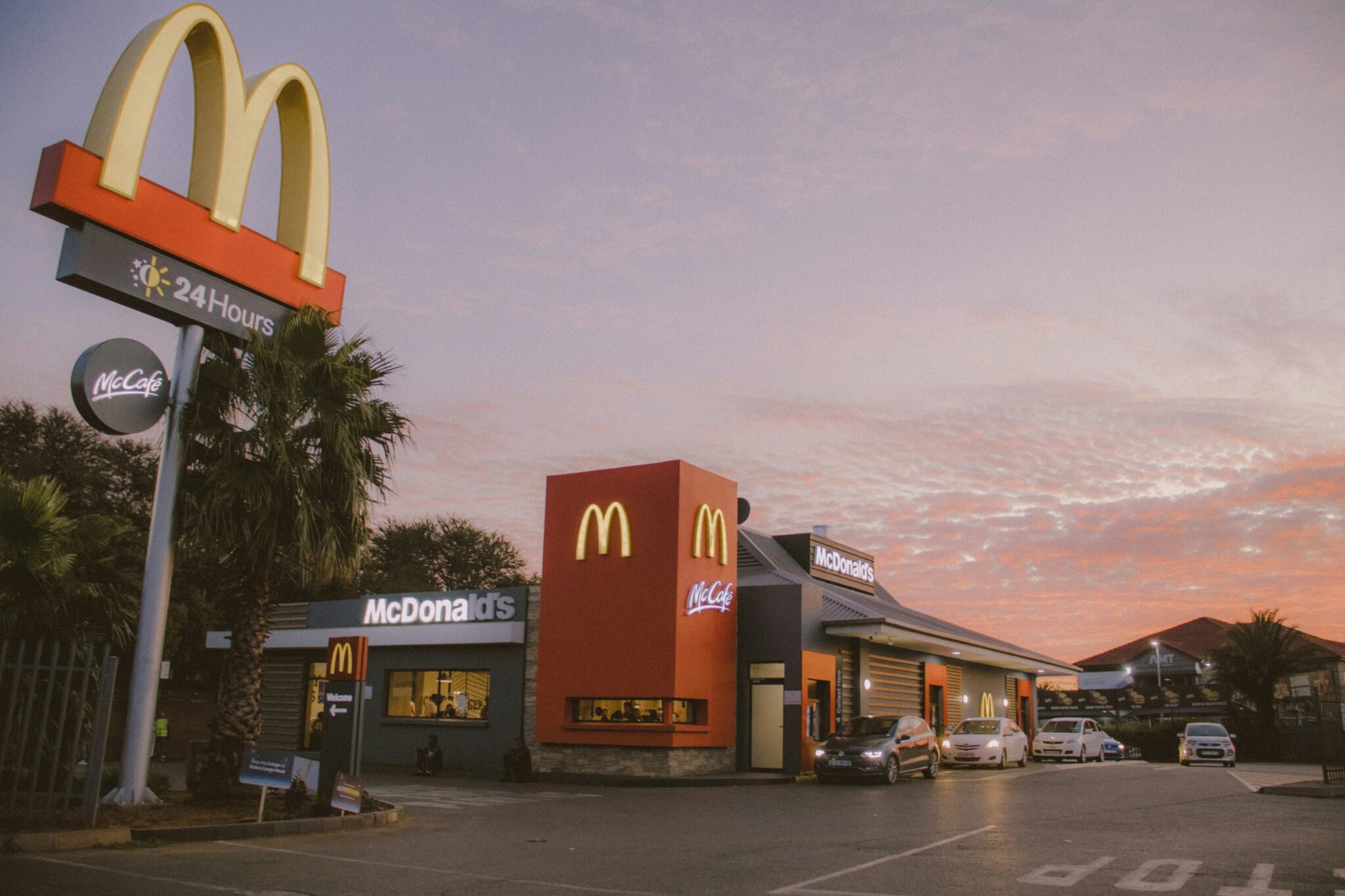
The New York Empowering People in Rights Enforcement Worker Protection bill (commonly known as the the EmPIRE Worker Protection Act) has faced strong opposition from a group called New Yorkers for Local Businesses (NYLB), which research by New York Focus has found to be intimately connected with McDonalds. The EmPIRE Worker Protection Act would allow workers to sue employers for violating wage theft, health and safety, and retaliation laws, as opposed to relying on the Department of Justice for enforcement. NYLB has spent almost half a billion dollars opposing the bill. NYLB also has listed leadership which appears to work for McDonalds or own franchises, listed testimonials on their website from people who appear to operate McDonald’s locations, and runs a PAC that seems to be almost entirely funded by people employed by or franchise owners of McDonald’s.
On May 3, the University of Pennsylvania graduate students voted to unionize, with 95% voting in favor of unionization. The union, called GET-UP (an acronym for Graduate Employees Together University of Pennsylvania), is affiliated with the United Auto Workers, as many student unions are. This is the third unionization effort at the University of Pennsylvania, but the first to succeed. Likely topics of bargaining include wages, working conditions, and support for international students.
On May 8, Finland passed a new law limiting the duration of strikes. Industrial strikes, when unions have disputes with employers, will be limited to two weeks, while political strikes, which are to promote social or political goals, will be limited to 24 hours. Unions have protested this and other bills in the Finnish government, including with a four-week strike disrupting cargo and goods delivery.




Daily News & Commentary
Start your day with our roundup of the latest labor developments. See all
October 8
NLRB judge finds UPS unlawfully restricted union insignia; Harvard graduate workers authorize second strike; OSHA orders Union Pacific to pay $300,000 in damages in whistleblower case.
October 7
DOL scraps plan to remove decades-old wage-and-hour guidance from federal regulations; New York enacts personnel records access law; Starbucks loses bid to dismiss Workers United trademark suit.
October 6
Protect College Sports Act dampens athlete unionization outlook; Stanford RA union decides to withdraw petition
October 5
Delaware bans captive audience meetings; EEOC settles remote work national origin discrimination claim; First Circuit stays enforcement order in VA's dispute with AFGE.
October 4
Boston nurses announce open-ended strike; federal judge restores federal prison workers' union protections; St. Louis workers form the first movie theater union in Missouri.
October 2
Gov. Newsom signs bill regulating AI in workplace; federal judge blocks Trump's $100,000 H-1B visa fee.