
Jacqueline Rayfield is a student at Harvard Law School.
In today’s News and Commentary, SAG-AFTRA complains about major video game studios’ AI proposal amid a months-long strike, and German unionized Ford workers criticize the automaker for rescinding an economic agreement in place since 2006.
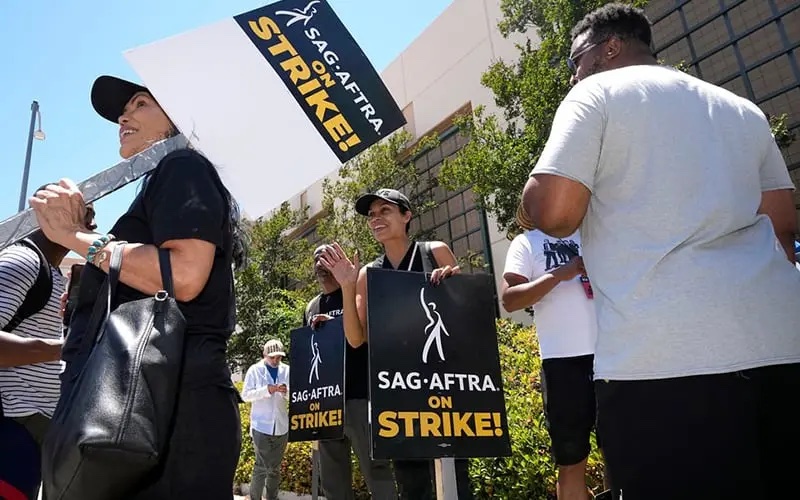
Members of SAG-AFTRA at major video game studios have been on strike for over seven months about job security in the face of AI replacement. Yesterday, the union highlighted “alarming loopholes that will leave our members vulnerable to AI abuse,” in the companies’ latest bargaining proposal. The union explains that this proposal would allow companies to recycle union members’ past work on video games and outside projects without bargaining with the union. The union urged its members to reject jobs on video game projects since these jobs could undermine the union’s position on AI. It has been just over a year since SAG-AFTRA’s actors’ strike focused on AI in TV roles.
Ford Motor Co. plans to inject $4.4 billion into its German operations amid Europe’s challenging landscape for electric vehicles. However, the company’s German labor union claims this is a “dirty trick” by management to begin job cuts of Ford workers. The plan to provide funding also terminated an agreement between Ford Germany and its international parent company to subsidize German operations. This agreement has been in effect since 2006.




Daily News & Commentary
Start your day with our roundup of the latest labor developments. See all
October 14
Eleventh Circuit overturns ERISA exhaustion rule; DHS finalizes removal of automatic renewal for work permits; AFGE challenges SSA over flexible scheduling policy.
October 13
Chicago hotel workers remain on strike; a coalition of Democratic states sues the Labor Department over canceled unemployment insurance grants; the Federal Labor Relations Authority establishes a new mediation framework for federal worker disputes.
October 12
Workers at the Obama Foundation begin organizing; MLB submits its latest collective bargaining agreement proposal; Brigham & Women's nurses postpone strike.
October 11
UAW President Shawn Fain succeeds in his reelection bid, and Spanish unions call for a general strike.
October 9
DHS proposes a $100k fee for the foreign grad employment program; Trump suspends tech company access to green card program; and private equity perpetuates poor working conditions for home care workers.
October 8
NLRB judge finds UPS unlawfully restricted union insignia; Harvard graduate workers authorize second strike; OSHA orders Union Pacific to pay $300,000 in damages in whistleblower case.