
Will Ebeler is a student at Harvard Law School.
In this weekend’s news and commentary, nurses accuse healthcare provider of violating NLRA for its use of training repayment agreements; Starbucks faces mounting pressure for its anti-union actions; New York’s governor proposes paid prenatal leave; and the NLRB finds that Google illegally refused to bargain with contractors.
A group of nurses has accused CommuniCare, one of the country’s largest providers of post-acute health care, of violating the NLRA. Jeddalyn Ramos, a nurse from the Philippines who worked for CommuniCare for four months, paid the company over $15,000 in fees when she quit her job. After she paid the fee, CommuniCare sued her for $100,000 for quitting her job before the three years required by her employment agreement. It sued another Filipino former nurse—also for $100,000—who quit her job after five months. The company has claimed that it spent over $15 million to bring the nurses to the country and has invested “in the nurses through education and training.” According to the nurses, the buyout fees are training repayment fees that, according to the NLRB’s General Counsel Jennifer Abruzzo, can sometimes violate the NLRA.
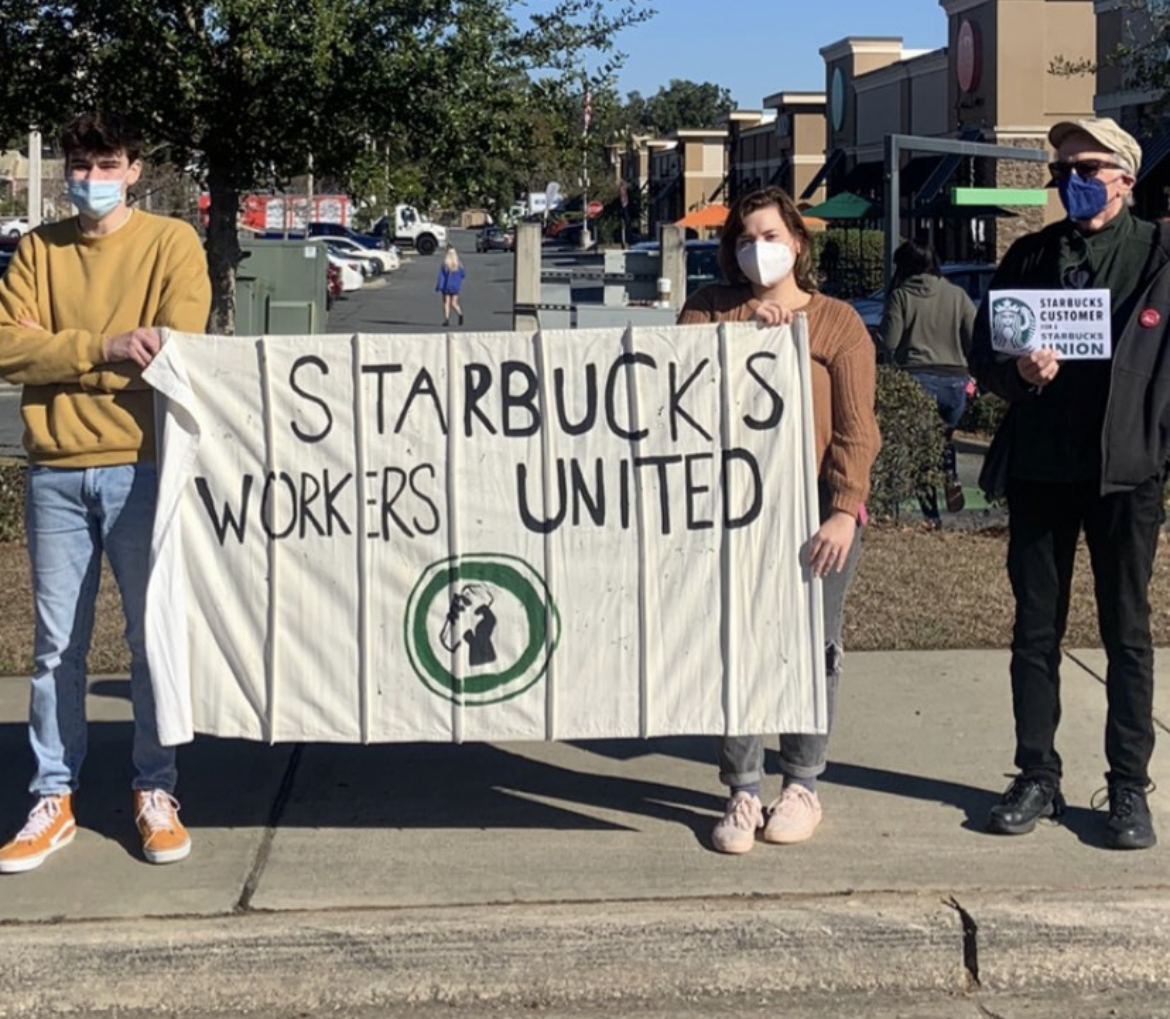
As the New York Times explained last week, going into the new year Starbucks is facing mounting organizing pressure. Organizing efforts by Starbucks Workers United showed signs of increased success in 2023. In the second half of 2022, it filed an average of 12 elections per month. By contrast, from October to December of 2023, it filed an average of 20 per month. In addition, in November a coalition of unions nominated three candidates for seats on the company’s board of directors. Last year a majority of shareholders supported a resolution calling for an independent audit into the company’s labor practices, and one outside observer said last year’s vote suggests shareholders could be open to the challenge. In addition, students at universities across the country have advocated to have Starbucks stores removed from campuses. Finally, Starbucks board members have faced increasing scrutiny; one board member was interrupted during an event at a university, and another had a “Mentor of the Year” award rescinded after Workers United contacted the nonprofit that gave the award.
On Thursday, New York’s governor Kathy Hochul announced plans to expand paid family leave to include prenatal care. Under the plan, New Yorkers would have 40 hours of paid leave to get prenatal care. The state’s current state law limits short-term disability benefits to the four weeks prior to a child’s birth, with a seven-day waiting period. If her proposal passes, New York would become the first state in the country to define family lead to include prenatal care. Governor Hochul plans to release details of the plan, including a funding plan, later this month.
Finally, on Thursday the National Labor Relations Board held that Google illegally refused to bargain with a union representing YouTube contract staff. The workers, who are directly employed by Cognizant Technology Solutions Corp., voted unanimously to unionize last April after the Board ordered an election based on a finding that Google is the workers’ joint employer. Google admitted its refusal to bargain but has maintained that it does not exert the control necessary to be their joint employer. Google plans to appeal the Board’s decision.




Daily News & Commentary
Start your day with our roundup of the latest labor developments. See all
October 23
Employers increasingly shift health care costs onto workers and NYC proposes placing restrictions on fully automated customer service.
October 22
SCOTUS declines Wilcox appeal; Penn State research assistants win bargaining rights; SEIU sued over military leave firing.
October 21
DOL withdraws tipped-worker rule; Instacart settles hiring-bias claims; Phillips 66 locks out New Jersey refinery workers.
October 20
Korean unions oppose labor exemption bill; Portland city workers prepare for strike; UPenn grad student union looks to dismiss university filing
October 19
FDA reverses course on policy prohibiting off-duty union activity; FAA and NATCA reach deal to secure pay increase for air traffic controllers.
October 18
Federal judge again halts cancellation of the Bureau of Prisons’ CBA; tabletop gaming workers face roadblocks in union recognition.