
Miriam Li is a student at Harvard Law School and a member of the Labor and Employment Lab.
In today’s news and commentary, New York City’s new delivery-app tipping law takes effect, 31,000 Kaiser Permanente nurses and healthcare workers go on strike, and the New Jersey Appellate Division revives Atlantic City casino workers’ lawsuit challenging the state’s casino smoking exemption.
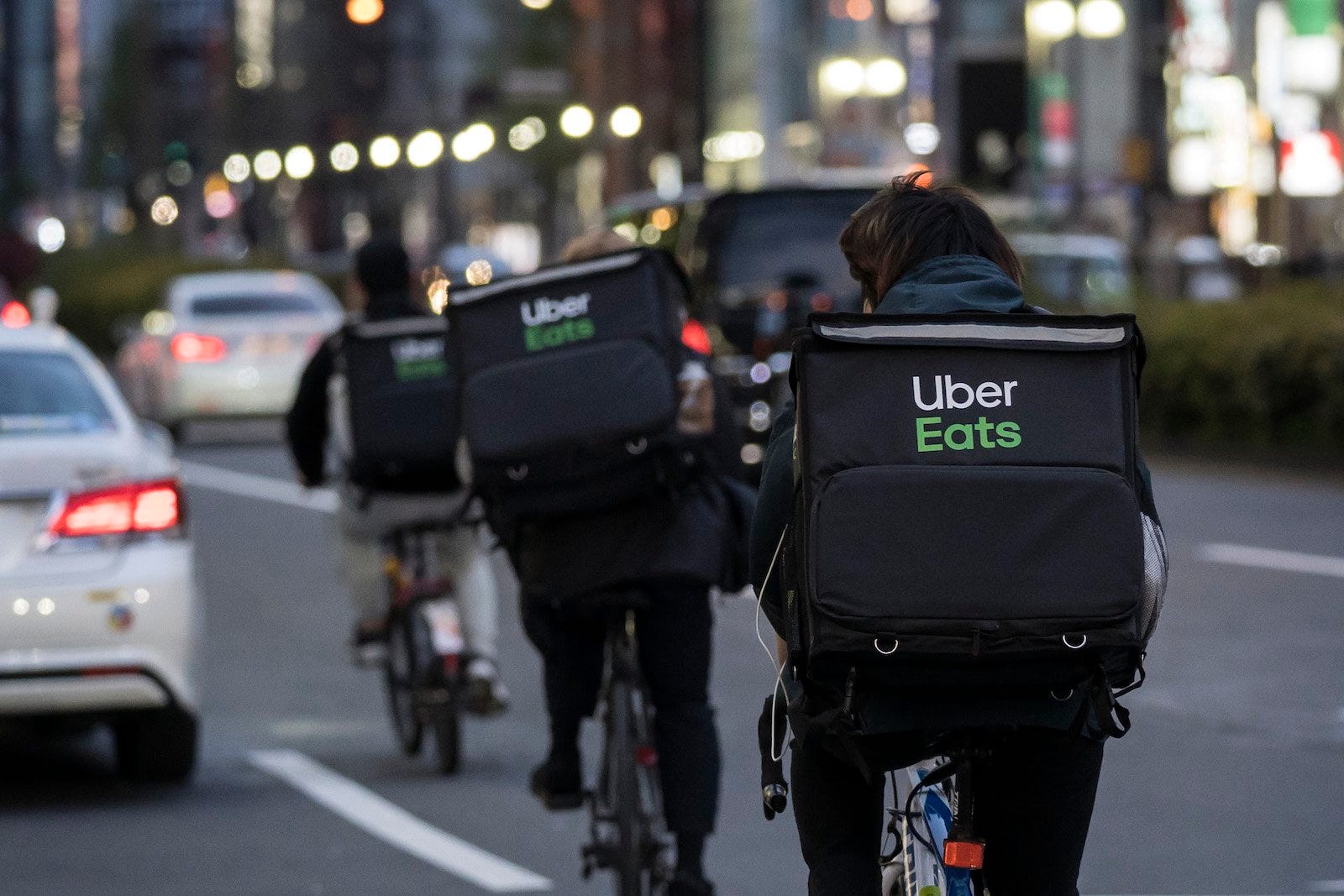
On Monday, New York City’s delivery-app tipping law took effect after a district court denied Uber Eats and DoorDash’s request for a preliminary injunction. The law, passed by the city council this summer, requires delivery apps to prompt customers to tip at checkout and to display a default tip option of at least 10%. This reverses a 2023 shift by major delivery apps that moved tip prompts from the checkout page to after orders were placed. According to the NYC Department of Consumer and Worker Protection, the change made it harder for customers to tip and reduced worker compensation by more than $550 million. In a lawsuit filed last month, Uber and DoorDash claimed the law’s requirement compels speech in violation of the First Amendment. In Monday’s decision, the district court rejected the companies’ request to temporarily block the law from taking effect, concluding that the plaintiffs hadn’t shown a likelihood of success on the merits, irreparable harm, or that the equities and public interest favored an injunction.
Meanwhile, 31,000 nurses and other healthcare professionals walked out of more than two dozen Kaiser Permanente hospitals in California and Hawaii on Monday. According to the United Nurses Associations of California/Union of Health Care Professionals (UNAC/UHCP), workers are seeking safer staffing, higher pay, and stronger benefits. In a statement, UNAC/UHCP’s executive director and chief negotiator, Joe Guzynski, pointed to the nearly 14,000 staffing complaints filed over the past two years as evidence of chronic understaffing. Kaiser, on the other hand, argued that the strike is primarily about wages and noted that its current proposal includes a 21.5% wage increase over the life of the contract. The strike follows an unfair labor practice charge filed with the National Labor Relations Board last November, which alleged that Kaiser had failed to bargain in good faith and tried to bypass the national bargaining process in favor of local negotiations. It also comes amid broader turmoil in the healthcare industry: hospitals have been reeling in the wake of a $1 trillion dollar Medicaid budget cut in the 2025 budget-reconciliation law, and earlier this month, nearly 15,000 nurses at major New York City hospitals walked out, seeking improvements to staffing levels and health benefits.
Finally, the New Jersey Appellate Division revived a United Auto Workers-backed lawsuit challenging an exception to the state’s indoor smoking ban, which allows Atlantic City casinos to designate up to 25% of the gaming floor for smoking despite the law’s general prohibition on cigarette use in public facilities. On appeal, casino workers emphasized scientific evidence as well as the legislative findings in the Smoke-Free Air Act itself, which described the severe and potentially fatal adverse health consequences of sustained exposure to secondhand smoke. By contrast, the state focused on the economic consequences of banning smoking in casinos, warning that such a ban could put roughly $500 million from the Casino Revenue Fund at risk and reduce casino gaming revenue by 12%. In a unanimous decision, Judge Jack M. Sabatino reversed the trial court’s dismissal of the suit, concluding that the court had “improvidently accepted at face value” the state’s disputed economic predictions of revenue and job losses without developing a fuller record or making detailed findings addressing plaintiffs’ competing arguments. Although the panel declined to recognize a freestanding state constitutional right to workplace health and safety, the workers can now proceed on their claim that the exemption denies them equal protection under the New Jersey Constitution.

Daily News & Commentary
Start your day with our roundup of the latest labor developments. See all
March 30
Trump orders payment to TSA agents; NYC doormen look to authorize a strike; and KPMG positions for mass layoffs.
March 29
The Department of Veterans Affairs re-terminates its collective bargaining agreement despite a preliminary injunction, and the Federal Labor Relations Authority announces new rules increasing the influence of political appointees over federal labor relations.
March 27
“Cesar Chavez Day” renamed “Farmworkers Day” in California after investigation finds Chavez engaged in rampant sexual abuse.
March 26
Supreme Court hears oral argument in an FAA case; NLRB rules that Cemex does not impose an enforceable deadline for requesting an election; DOL proposes raising wage standards for H-1B workers.
March 25
UPS rescinded its driver buyout program; California court dismissed a whistleblower retaliation suit against Meta; EEOC announced $15 million settlement to resolve vaccine-related religious discrimination case.
March 24
The WNBPA unanimously votes to ratify the league’s new CBA; NYU professors begin striking; and a district court judge denies the government’s motion to dismiss a case challenging the Trump administration’s mass revocation of international student visas.