Greg Volynsky is a student at Harvard Law School.
In Today’s News & Commentary, the unemployment rate falls in November, Governor Newsom reconsiders $25/hour minimum wage for healthcare workers, Apple faces labor challenge in India, and former labor leader convicted.
The unemployment rate unexpectedly fell in November, as the economy added 199,000 jobs—14,000 more than economists polled by Bloomberg expected, although fewer than the monthly average over the past year. Wages increased by 4.1% over the last year.
California Governor Newsom is reconsidering a plan to raise the minimum wage for healthcare workers to $25 an hour, in light of a projected $68-billion state budget deficit, after signing the legislation in October. The wage increase was projected to cost $4 billion in 2024 – 25 fiscal year. Newsom said the changes were “part of an understanding” reached with labor leaders before he signed the bill into law.
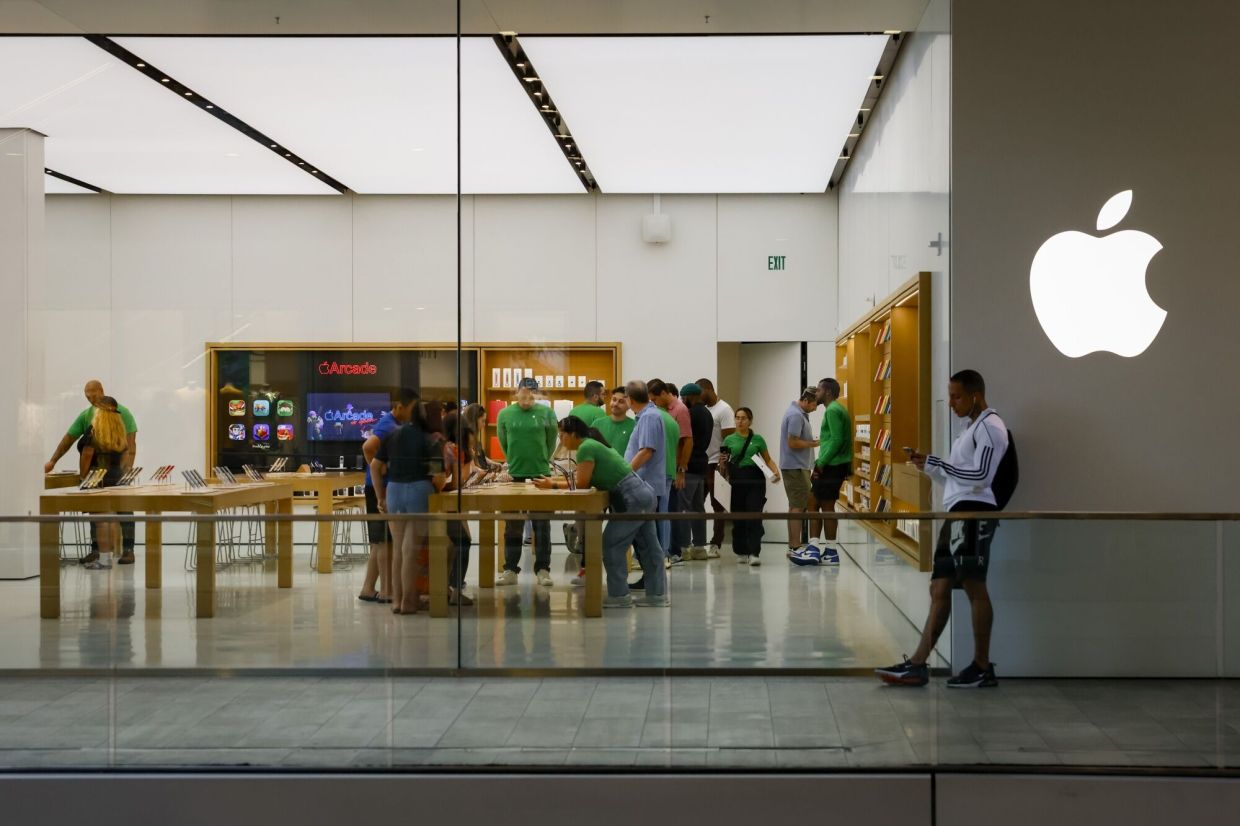
Apple faces a labor challenge in diversifying its production away from China and into India. In the southern state of Tamil Nadu, where Foxconn and Pegatron factories assemble iPhones, a bill that would have allowed for 12-hour factory shifts, aligning labor practices with those in China, was shelved after encountering resistance from unions and opposition parties. Manufacturing in China and India present distinct challenges—China may impose nationwide inflexible policies (as the COVID-19 lockdowns), while India boasts robust courts and local governments with diverse labor policies.
Former Philadelphia labor leader John “Johnny Doc” Dougherty was convicted of embezzling over $650,000 from Local 98 of the International Brotherhood of Electrical Workers. This marks Dougherty’s second conviction since a 2019 indictment.
Daily News & Commentary
Start your day with our roundup of the latest labor developments. See all
April 14
Meatpacking workers ratify new contract; NLRB proposes Amazon settlement; NLRB's new docketing system leading to case dismissals.
April 13
Starbucks' union files new complaint with NLRB; FAA targets video gamers in new recruiting pitch; and Apple announces closure of unionized store.
April 12
The Office of Personnel Management seeks the medical records of millions of federal workers, and ProPublica journalists engage in a one-day strike.
April 10
Maryland passes a state ban on captive audience meetings and Elon Musk’s AI company sues to block Colorado's algorithmic bias law.
April 9
California labor backs state antitrust reform; USMCA Panel finds labor rights violations in Mexican Mine, and UPS agrees to cap driver buyout offers in settlement with Teamsters.
April 8
The Writers Guild of America reaches a tentative deal with the Alliance of Motion Picture and Television Producers; the EEOC recovers almost $660 million in compensation for employment discrimination in 2025; and highly-skilled foreign workers consider leaving the United States in light of changes to the H-1B visa program.