
John Fry is a student at Harvard Law School.
In today’s news and commentary, UAW files for an election at an Alabama Mercedes plant; a recent German law might boost UAW’s organizing campaigns; and a Chicago Trader Joe’s store files for an election.
The United Auto Workers filed for an election at an Alabama Mercedes-Benz factory on Friday after a supermajority of workers there signed authorization cards. As Everest covered last week, the union has accused Mercedes of employing union-busting tactics, and the company has even held a mandatory staff meeting with newly retired Alabama football coach Nick Saban. (Fans of the legendary coach will be relieved to hear that Saban, who has expressed vaguely pro-union sentiments in the past, did not urge employees to oppose UAW’s organizing drive.)
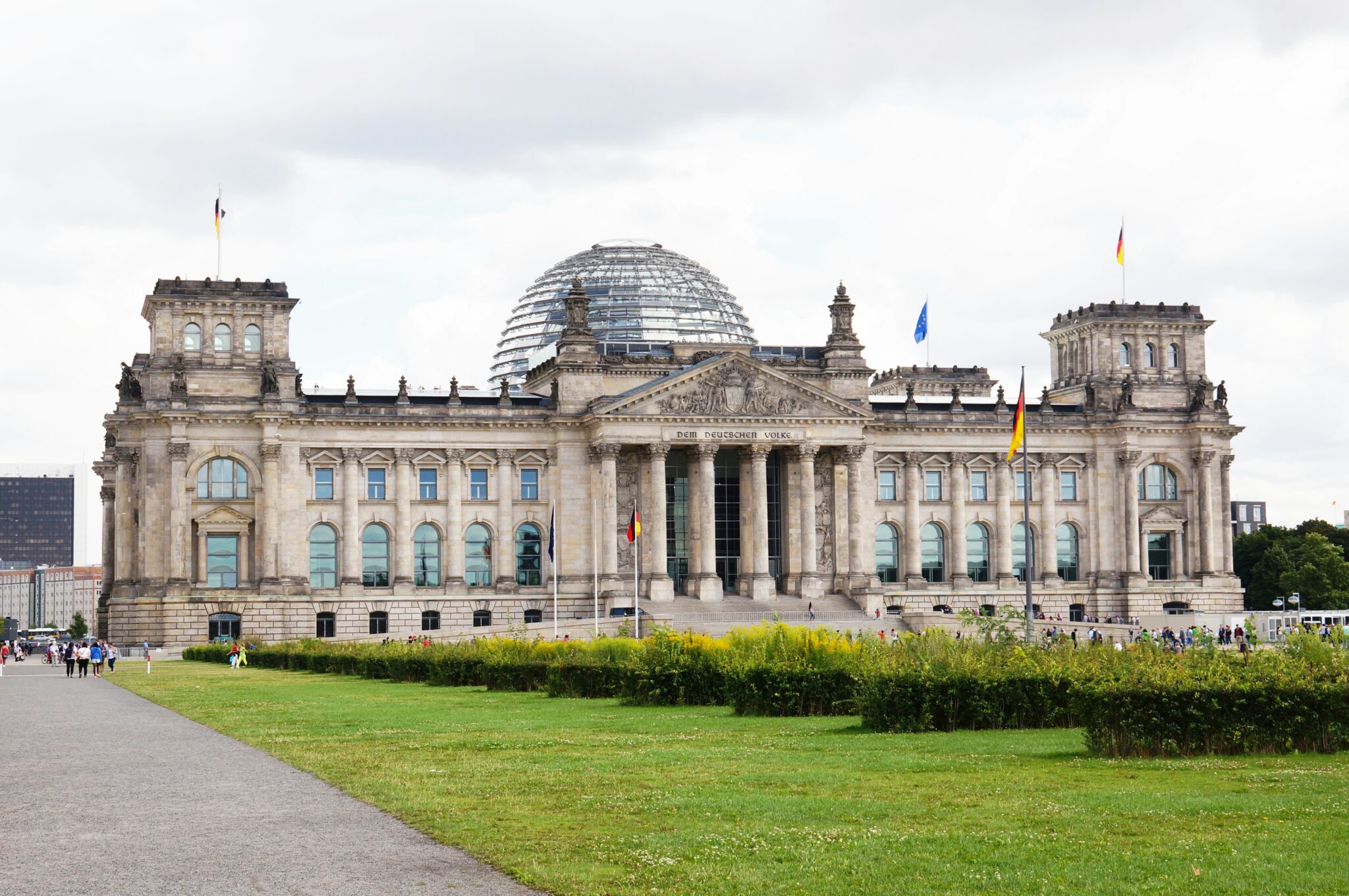
A recent German law regulating international supply chains might also bolster UAW’s campaigns at plants owned by German automakers, including the Mercedes plant in Alabama and Volkswagen’s plant in Tennessee, where workers will vote later this month. The law, which was backed by German Social Democrats and unions, is meant to ensure that corporations based in Germany do not undercut German workers by exploiting workers in other countries. The law specifies a list of human rights standards, including the right to organize a union, which German companies must not infringe in their operations abroad. Violations of the law can cost a German company up to 2% of its annual revenue in fines and can jeopardize contracts with the German government. UAW has charged Mercedes with violating these standards during its campaign at the Alabama plant. While the proceedings in Germany will likely take longer than the union election, they could pressure Mercedes to ensure that its opposition to UAW remains within the confines of the law.
Trader Joe’s United has filed for an election at a Chicago store, which could become the fifth Trader Joe’s location to unionize if the union prevails. Workers say that they are organizing to win better wages and benefits as well as more clarity about career advancement at the company. Holt reported last week that the NLRB has charged the company with unfair labor practices in response to organizing efforts across the country, including threats, interrogation, and retaliatory discharge. The grocer also attempted to sue the union for trademark infringement based on the similarities between the store’s logo and the union’s logo. A judge dismissed the suit, saying that Trader Joe’s came “dangerously close” to deserving sanctions for a frivolous suit; the company has appealed the dismissal.


Daily News & Commentary
Start your day with our roundup of the latest labor developments. See all
October 5
Delaware bans captive audience meetings; EEOC settles remote work national origin discrimination claim; First Circuit stays enforcement order in VA's dispute with AFGE.
October 4
Boston nurses announce open-ended strike; federal judge restores federal prison workers' union protections; St. Louis workers form the first movie theater union in Missouri.
October 2
Gov. Newsom signs bill regulating AI in workplace; federal judge blocks Trump's $100,000 H-1B visa fee.
October 1
Senate confirms Keith Sonderling as Labor Secretary; Amazon warehouse workers launch an unfair labor practice strike.
September 30
Harvard grad union wins in First Circuit; AI data trainers initiate misclassification suits; Trader Joe’s found liable under ERISA.
September 29
Unions, AI companies, and private equity firms form a new coalition to shape data center policies; unions express support for the Paramount-Warner Bros. merger.