
Justin Cassera is a student at Harvard Law School.
In today’s news and commentary, Meta unveils new advertisements, “Blame-Democrats” emails are blocked by a federal court, and thousands protest in Portugal.
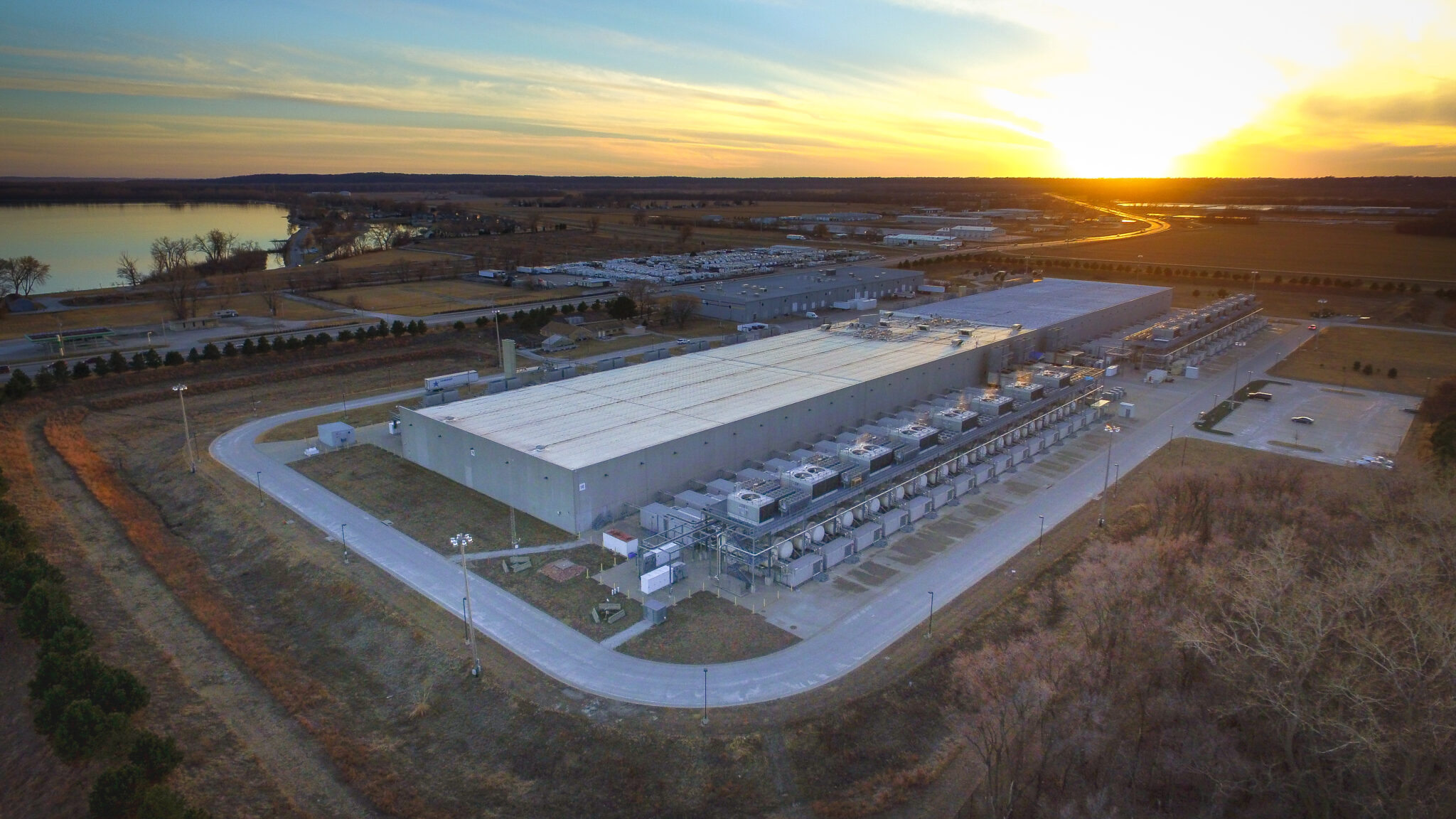
Meta recently unveiled new advertisements promoting the company’s recent data center construction in various parts of the United States. The commercials, featuring towns like Altoona, Iowa, and Los Lunas, New Mexico, characterize the data centers as an opportunity for job creation and economic growth in otherwise stagnating communities. Their website, titled “Building America,” includes statistics on financial commitments and quotes from elected officials. Critics of the data centers think promises of long-term job creation are dubious and highlight the “nonstop noise, pollution . . . and rapidly rising electric bills.”
On Friday, a federal court granted summary judgment in favor of the American Federation for Government Employees’ lawsuit challenging the Trump administration’s use of partisan language in automated out-of-office emails from government employees during the government shutdown. Judge Christopher R. Cooper of the United States District Court for the District of Columbia stated that the practice infringed on the free speech rights of the employees whose emails had been commandeered. Following the ruling, AFGE issued a statement saying that the “Trump-Vance administration’s use of official government resources to spread partisan messaging using employees’ email was an unprecedented violation of the First Amendment, and the court’s ruling makes clear that even this administration is not above the law.”
On Saturday, tens of thousands of people protested proposed labor reforms in Portugal. The reforms, put forth by Portugal’s center-right government, would make it easier to dismiss workers and place limits on various pregnancy-related benefits. The reforms are expected to receive parliamentary approval as the government aims to improve productivity and mobility in the labor market. The protest was organized by the country’s main labor union, which has also announced a general strike beginning December 11.



Daily News & Commentary
Start your day with our roundup of the latest labor developments. See all
September 30
Harvard grad union wins in First Circuit; AI data trainers initiate misclassification suits; Trader Joe’s found liable under ERISA.
September 29
Unions, AI companies, and private equity firms form a new coalition to shape data center policies; unions express support for the Paramount-Warner Bros. merger.
September 28
The Protect College Sports Act nears passage in the Senate; San Francisco municipal workers agree to contract extensions.
September 27
The Trump Administration reaches a settlement with federal unions on reduction in force actions; the United Auto Workers file an en banc petition seeking review of a Second Circuit decision regarding labor arbitrations.
September 25
Healthcare workers rally to restore legal status for TPS holders; nurses at a Maine hospital overwhelmingly vote to form their union despite alleged aggressive union busting tactics.
September 24
NLRB abandons rule for offensive conduct during protected activity; New York home care workers seek a union election; maritime deck officers endure long fight for first contracts.