

John Fry is a student at Harvard Law School.
In today’s news and commentary, Illinois warehouse quota bill vetoed; Minnesota residents organize; and circuit split on NLRB deference continues.
On Friday, Illinois governor JB Pritzker vetoed a bill that would have limited Amazon’s use of productivity quotas in its warehouses. New York, California, and three other states have passed laws regulating warehouse quotas, following widespread reports of injuries and high employee turnover in Amazon’s logistics supply chain. The company has tried to evade the state laws by claiming that it does not technically use quotas, which state regulators have contested. In December, the Senate HELP Committee published a report linking Amazon’s demanding quotas to unsafe working conditions. The vetoed Illinois bill would have required Amazon to share any quotas in writing with workers and document any discipline or firings related to quota shortfalls.
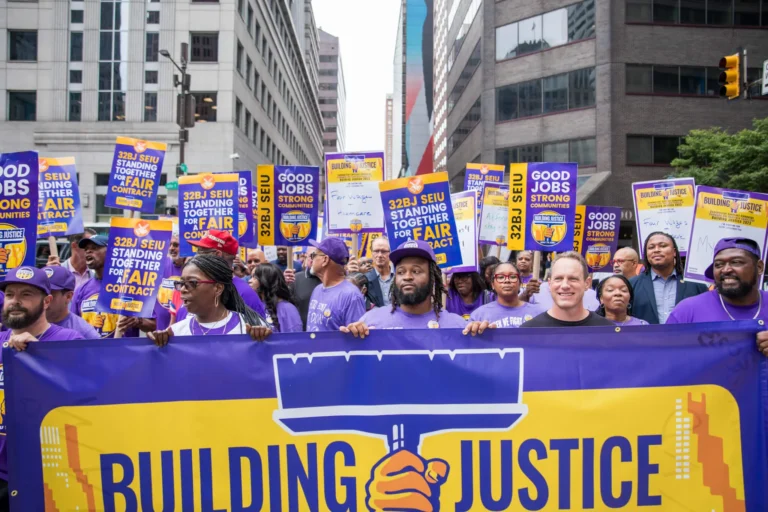
Medical residents at the University of Minnesota are seeking to unionize with SEIU’s Committee of Interns and Residents, submitting authorization cards from a majority of the proposed bargaining unit on Monday. As a recent Jacobin article highlighted, SEIU has organized nearly 20,000 residents in the past 5 years. By comparison, Starbucks Workers United, which has garnered far more media attention, represents roughly 11,000 baristas. Because the University of Minnesota is a public institution, Minnesota law will allow the residents to join the union if the state’s labor agency can verify that a majority of them have signed valid authorization cards, a process much quicker than election procedures under the National Labor Relations Act.
On Monday, the Supreme Court denied certiorari to a case which presents the question of whether Loper Bright, which ended Chevron deference to federal agencies’ interpretations of federal statutes, requires courts to afford less deference to the NLRB. As Darin has detailed in a four-part article series, judicial deference to the NLRB’s construction of the NLRA predates Chevron, and the NLRA itself requires deference to the Board’s findings of fact. Monday’s denial of certiorari may allow a circuit split to deepen: the Sixth Circuit has suggested that Loper Bright requires an end to NLRB deference on questions of law, while the Ninth Circuit has continued to defer.



Daily News & Commentary
Start your day with our roundup of the latest labor developments. See all
September 10
Amazon workers allege pregnancy discrimination; federal unions challenge USDA reorganization; NYC warns of silicosis risks.
September 9
Wynn Las Vegas employees allege anti-union retaliation; Amazon faces a class action over pregnancy accommodations; H-1B demand plunges following a six-figure visa fee.
September 8
In today’s News and Commentary, workers and unions across America celebrate Labor Day, California’s SEIU Local 1000 prepares for a strike authorization vote, and New York City creates the Office of Worker Power. On Monday, labor unions and workers gathered in cities across the United States in celebration of Labor Day. Parades and rallies took […]
September 7
Eighth Circuit finds DOL order violates Seventh Amendment; 1,300 workers at Encore Boston Harbor go on strike.
September 6
Encore casino workers strike; President Trump commutes sentence of former Philadelphia IBEW leader; Durham labor activist ends his hunger strike against Amazon.
September 4
NLRB advice memo narrows political protest protections; NLRB asks federal appeals court for deference.