
Anjali Katta is a student at Harvard Law School.
In today’s news and commentary, President Trump’s first moves in office and EEOC’s discrimination lawsuit against Stellantis.
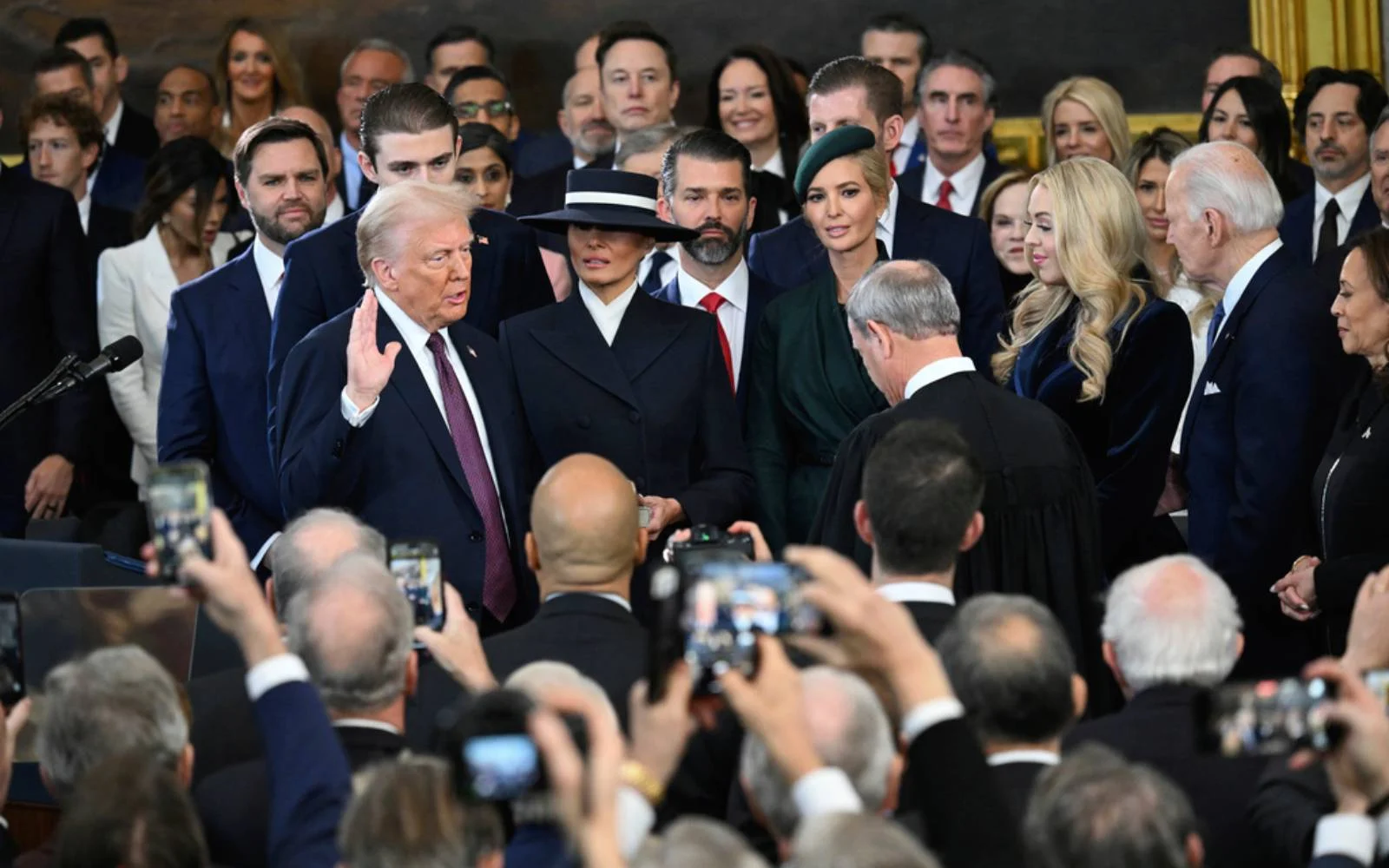
President Trump has wasted no time in taking action to fulfill many of his campaign promises. On day one, President Trump has made plans to revoke nearly 80 executive orders signed by former President Biden, implement a federal hiring freeze, and enact a return-to-office order for government workers. President Trump also announced plans to impose a 25% tariff on goods from Mexico and Canada by February 1st, although he has postponed any immediate tariffs on China. Researchers have warned that tariffs could raise prices and harm U.S. workers.
President Trump has also signed a series of executive orders limiting both legal and illegal immigration. These measures include declaring a national emergency at the southern border, ending birthright citizenship for children born on U.S. soil to non-legal immigrants or legal immigrants on temporary visas (such as student or work visas), and suspending refugee resettlement for six months. President Trump has also shut down the CBP One app, an tool implemented by the Biden administration that many migrants used to legally enter the U.S. In addition to humanitarian concerns and the costs required to enact a mass deportation program, experts warn that deportation may cause lasting economic consequences, including increases in prices and poorer economic outcomes for US-born workers.
Meanwhile, the EEOC has filed a lawsuit against auto manufacturer Stellantis, alleging that the company violated Title VII of the Civil Rights Act, which prohibits discrimination based on sex. The lawsuit alleges that female employees at Stellantis’ Detroit assembly complex were sexually harassed by male supervisors and coworkers. It further claims that when the women reported the harassment, the company either failed to respond or did so inadequately. Stellantis has yet to comment on the lawsuit.





Daily News & Commentary
Start your day with our roundup of the latest labor developments. See all
October 13
Chicago hotel workers remain on strike; a coalition of Democratic states sues the Labor Department over canceled unemployment insurance grants; the Federal Labor Relations Authority establishes a new mediation framework for federal worker disputes.
October 12
Workers at the Obama Foundation begin organizing; MLB submits its latest collective bargaining agreement proposal; Brigham & Women's nurses postpone strike.
October 11
UAW President Shawn Fain succeeds in his reelection bid, and Spanish unions call for a general strike.
October 9
DHS proposes a $100k fee for the foreign grad employment program; Trump suspends tech company access to green card program; and private equity perpetuates poor working conditions for home care workers.
October 8
NLRB judge finds UPS unlawfully restricted union insignia; Harvard graduate workers authorize second strike; OSHA orders Union Pacific to pay $300,000 in damages in whistleblower case.
October 7
DOL scraps plan to remove decades-old wage-and-hour guidance from federal regulations; New York enacts personnel records access law; Starbucks loses bid to dismiss Workers United trademark suit.