
Luke Hinrichs is a student at Harvard Law School.
In today’s news and commentaries, group representing ports and major shipping lines files unfair labor practice charge against longshore workers’ union as strike looms, Maine’s Labor Department increases enforcement of wage theft under new state law, and UAW reaches a tentative local agreement at Ford’s tool and die unit in Michigan.
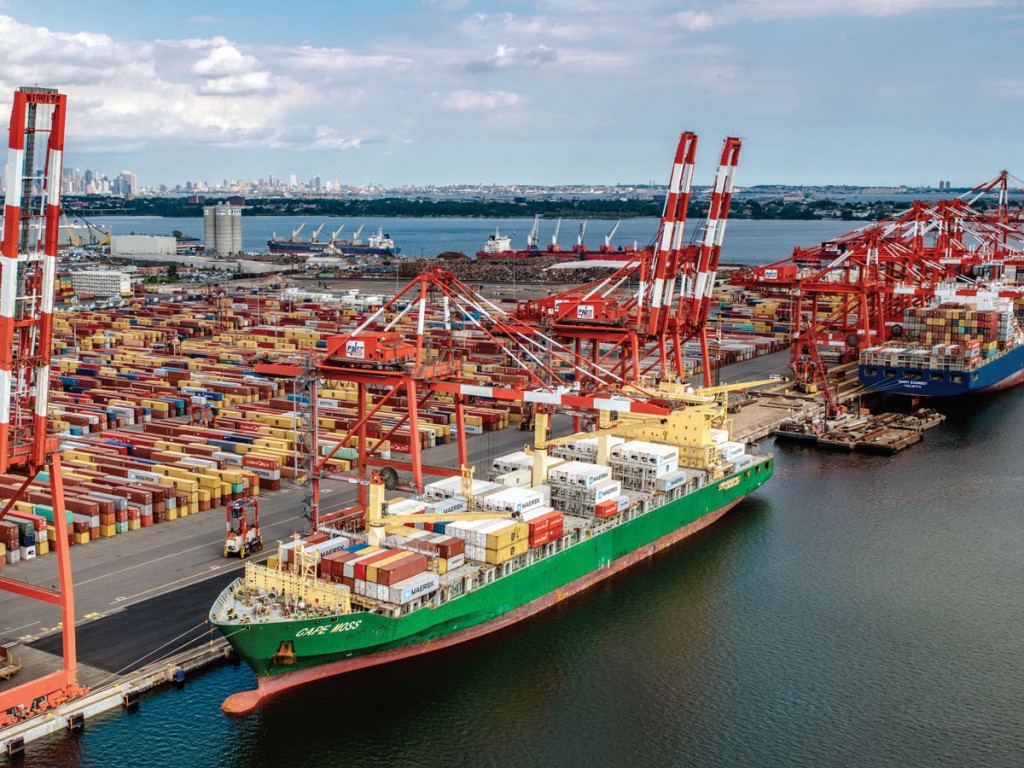
Roughly 50,000 Longshore workers represented by the International Longshoremen’s Association (ILA) at ports from the northeast to Texas are set strike on Tuesday, October 1 when their contracts expire. In the ongoing contract negotiations, the ILA has demanded higher wages and job security protections from automation. The US Maritime Alliance—representing the major shipping lines, terminal operators, and port authorities—filed an unfair labor practice complaint with the National Labor Relations Board claiming the ILA is not bargaining in good faith. The complaint seeks immediate relief through an order requiring the union to resume bargaining. It remains unclear whether the NLRB will rule before the longshore worker’s strike deadline on October 1.
As of August 9, a new state law in Maine went into effect empowering the state’s labor department to impose liquidated damages on employers for wage theft and labor law violations. Maine’s Labor Department has since increased focus on recovering liquidated damages for workers affected by labor law violations. On Monday, the Maine Labor Department announced that it has ordered the payment of more than $20,000 in unpaid wages and damages to 22 workers.
The United Auto Workers (UAW) set a September 26 deadline to strike at Ford’s tool and die unit employing roughly 500 workers at the company’s Rouge Complex in Michigan if local contract issues remained unresolved. Just hours before the strike deadline, UAW Local 600 announced that a tentative local agreement has been reached with Ford which “strengthens job security by protecting against the impacts of advancements in 3D printing” and eliminates “the wage disparity for skilled trades, ensuring fair and equal pay across the board,” according to the UAW press release. While a strike is currently averted, UAW members at the Ford facility in Dearborn will review and vote on the agreement in the coming days.





Daily News & Commentary
Start your day with our roundup of the latest labor developments. See all
September 4
NLRB advice memo narrows political protest protections; NLRB asks federal appeals court for deference.
September 3
Seond Circuit rejects a NLRB standard for union insignia in employer dress codes; House Republicans ramp up labor union investigations.
September 2
Trump’s US Steel agreement impacts labor talks; Mamdani clashes with teachers’ union; Boeing plans to resume bargaining talks.
September 1
California legislature passes a bill banning AI workplace surveillance of workers' emotional states; Labor Department repeals decades-old farmworker protection rules; Sixth Circuit upholds a $1.4 million verdict for farmworkers.
August 31
Boston Symphony Orchestra musicians stave off first-ever strike; Cleveland Public Library workers ratify new contracts; New York State AFL-CIO makes endorsements
August 30
Seattle teachers vote to authorize a strike days before the school year begins; BNSF Railway’s AI dispatching system puts workers in danger; and a California court finds that the DOL’s pay cuts for non-citizen farmworkers are unlawful.