
Divya Nimmagadda is a student at Harvard Law School.
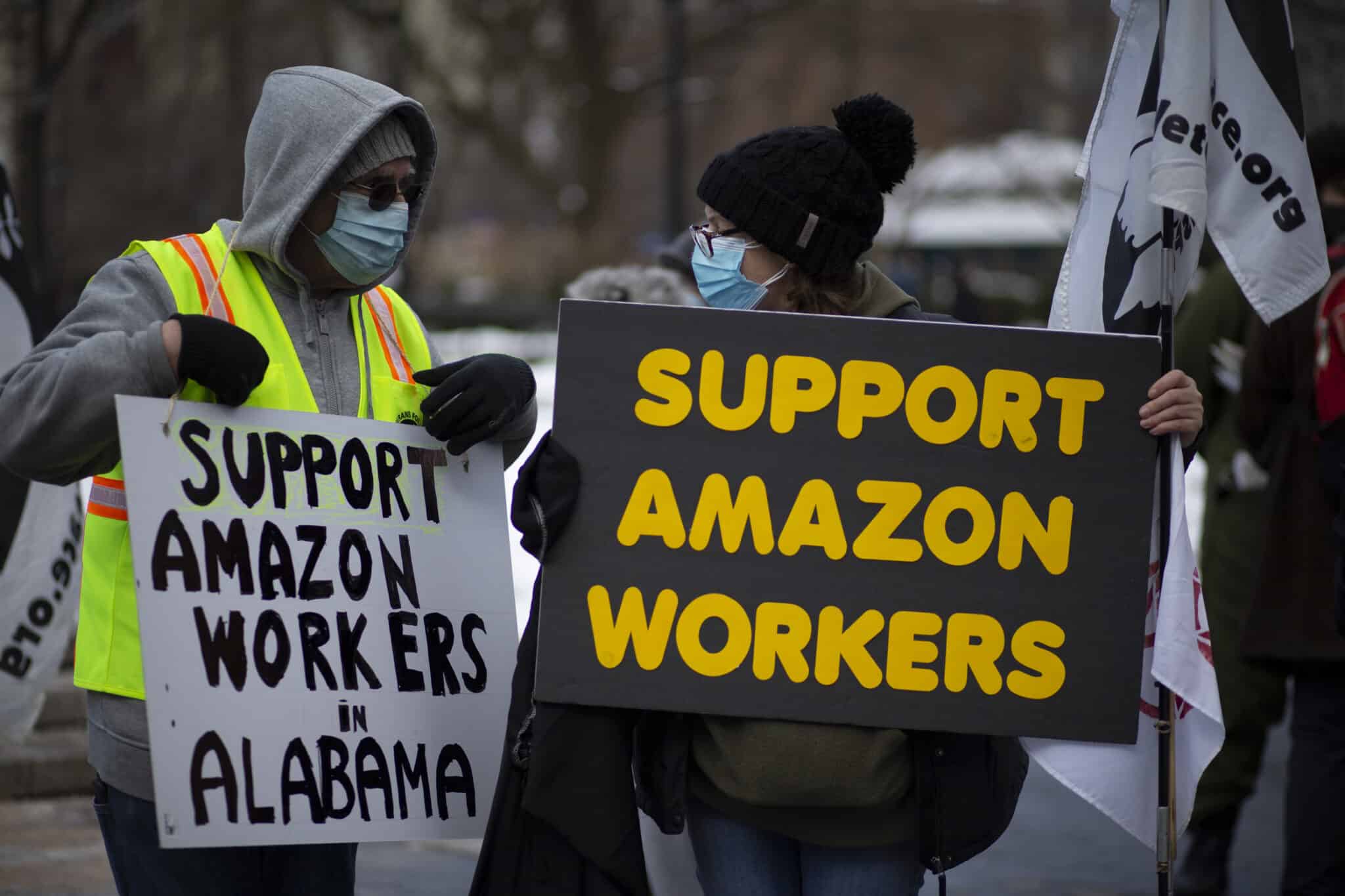
An NLRB administrative law judge ruled yesterday that the Amazon CEO, Andy Jassy’s, comments to the media regarding unionization efforts at the company were violative of federal labor law. The General Counsel’s brief drew attention to three groups of predictions Andy Jassy has made during several press interviews about the consequences of unionization – that 1) after unionization, employees would lose their “direct relationship” with management, 2) employees would be less empowered since unions involve more bureaucracy, and 3) that employees would be better off without a union.
The ALJ, Brian Gee, found that while “Jassy’s predictions that unionization would change the employee-employer relationship were lawful,” the “20 predictions that employees would be less empowered, would find it harder to get things done quickly, and would be better off without a union… violated Section 8(a)(1) because they went beyond merely commenting on the employee-employer relationship and did not comply with the standards for protected speech established by NLRB v. Gissell Packing Co.” Under labor law, a manager can make predictions regarding the effects of unionization, but the “ prediction must be carefully phrased on the basis of objective fact to convey an employer’s belief as to demonstrably probable consequences beyond his control,” or else it transforms into an “impermissible threat of retaliation.” Gee found that Jassy “offered no objective basis” for his assertions.
Gee ordered Amazon to cease and desist from making such “coercive” statements. He also instructed the company to post at each of its facilities nationwide and distribute electronically notices informing employees of their rights under the NLRA and committing to abstention from future threats and coercion. Amazon has stated that it plans to appeal the ruling to the Board, claiming that “the decision reflects poorly on the state of free speech rights today.”
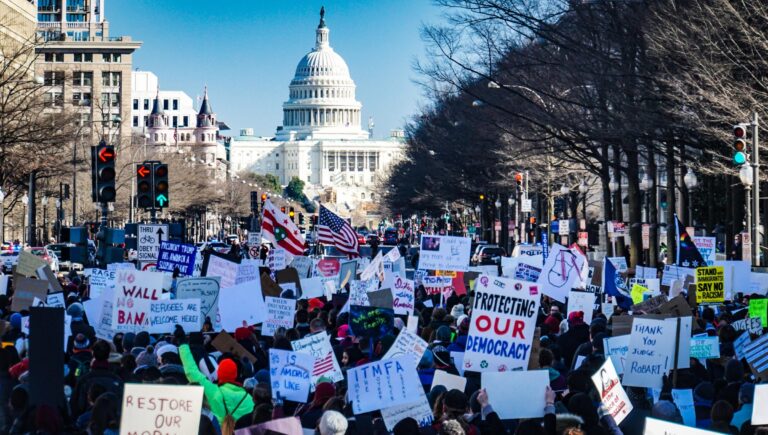
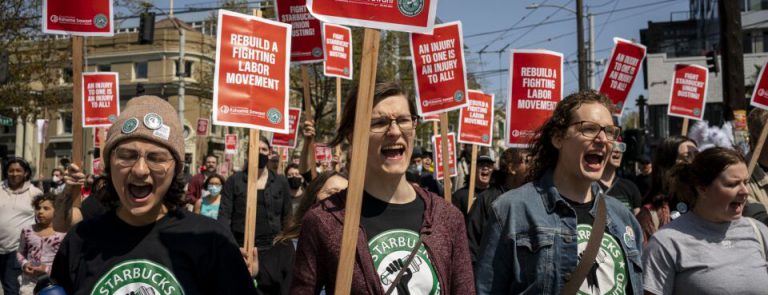
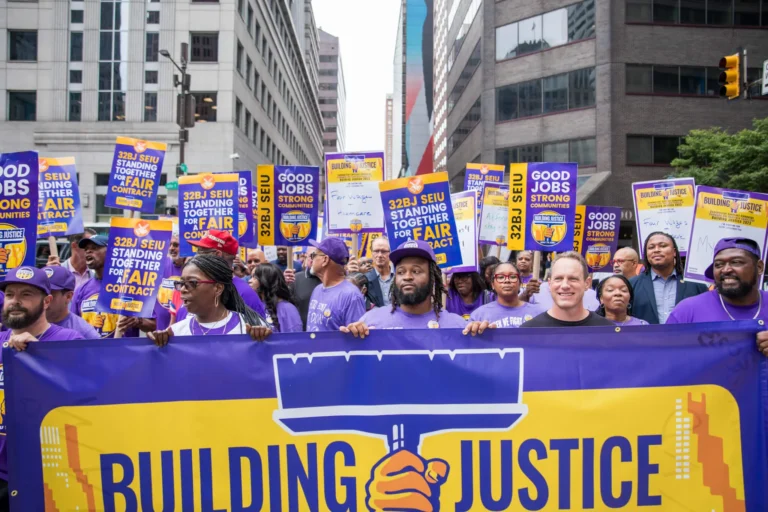
In recognition of International Workers’ Day yesterday, workers and communities across the globe took to the streets to protest working conditions and protections and demand better from their governments. In Paris, Beirut, Istanbul, Berlin, Manila, Jakarta and many more cities, the protests called attention to poor wages and conditions, environmental harms, lack of social welfare and anti-labor policies. In Los Angeles, the city’s May Day coalition, made up of several labor organizations, organized a powerful march with the theme, “Solidarity is Power: The People United.” The focus of the demonstration was to collect support for “better wages, housing for all, a path to citizenship, the right to strike and…a ceasefire in war-torn areas and an end to all wars.”


Daily News & Commentary
Start your day with our roundup of the latest labor developments. See all
October 5
Delaware bans captive audience meetings; EEOC settles remote work national origin discrimination claim; First Circuit stays enforcement order in VA's dispute with AFGE.
October 4
Boston nurses announce open-ended strike; federal judge restores federal prison workers' union protections; St. Louis workers form the first movie theater union in Missouri.
October 2
Gov. Newsom signs bill regulating AI in workplace; federal judge blocks Trump's $100,000 H-1B visa fee.
October 1
Senate confirms Keith Sonderling as Labor Secretary; Amazon warehouse workers launch an unfair labor practice strike.
September 30
Harvard grad union wins in First Circuit; AI data trainers initiate misclassification suits; Trader Joe’s found liable under ERISA.
September 29
Unions, AI companies, and private equity firms form a new coalition to shape data center policies; unions express support for the Paramount-Warner Bros. merger.