
Sunah Chang is a student at Harvard Law School.
In today’s news and commentary: Las Vegas hospitality workers call off their strike after reaching tentative agreements, the NLRB rules that Dartmouth basketball players can unionize, and German transportation workers continue to press for improved wages and working conditions.
The Nevada Culinary Workers Union Local 226, the union representing thousands of hospitality workers in Las Vegas, called off its Monday morning walkout after reaching tentative agreements with six more hotel-casinos in Downtown Las Vegas. The strike would have created work stoppages in several Las Vegas hotels as the city gears up to host the upcoming Super Bowl—an event that is expected to bring 330,000 people to the city this week. The union has not yet reached a contract agreement with Virgin Hotels Las Vegas but has agreed to extend talks to avert a strike. The union anticipates reaching an agreement with Virgin Hotels in the coming weeks.
Following the tentative agreements, President Biden met with and congratulated union members at the Vdara Hotel as part of his campaign trail leading up to today’s Democratic primary in Nevada.
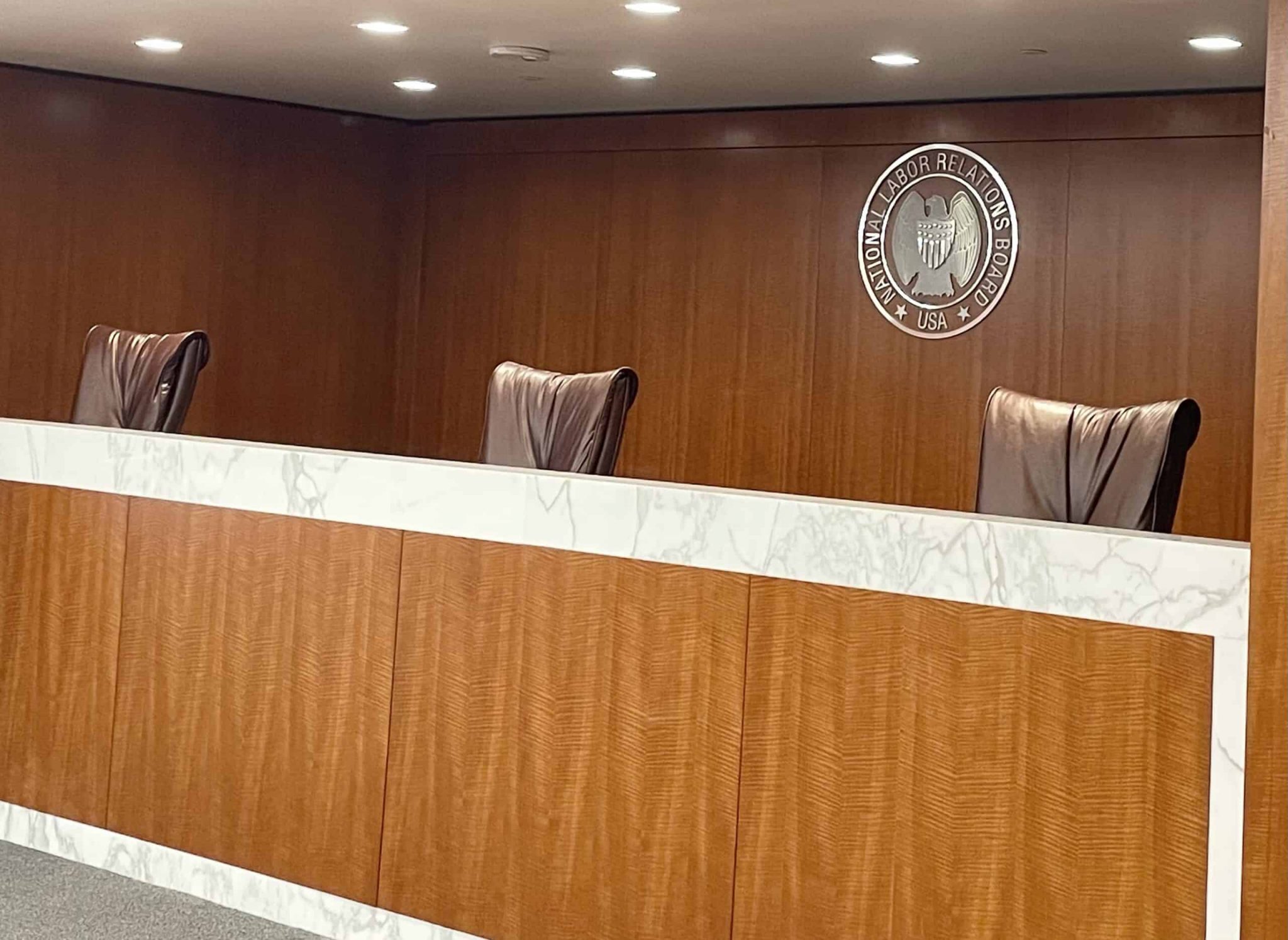
Yesterday, the National Labor Relations Board ruled that athletes on the men’s basketball team at Dartmouth College are eligible to unionize. Laura Sacks, NLRB’s regional director in Boston, determined that Dartmouth basketball players qualify as “employees” within the meaning of the National Labor Relations Act and have the right to hold a union election. This is the first decision of its kind since NLRB’s general counsel, Jennifer Abruzzo, issued a memorandum in 2021 outlining that college athletes should be classified as employees under the NLRA.
The Dartmouth case comes at a time of escalating debate about the structure of labor and power within the college athletics industry. Last May, the NLRB filed a complaint against the University of Southern California, alleging that the university misclassified basketball and football players as student-athletes and was illegally obstructing the players’ right to unionize. Furthermore, an ongoing class action lawsuit challenges the NCAA’s rules that bar athletes from being able to sell the rights to their own name, image, and likeness.
Tomorrow, German union members who work as ground staff for Lufthansa airlines will launch a one-day strike. The union is calling for a wage increase of 12.5% or a pay bump of €500 a month for the next year along with a one-time inflation payment of €3,000. This strike will follow weeks of labor actions in Germany among transportation workers. Just last week, airport security staff participated in a one-day strike across 11 airports in Germany, which caused 1,000 flights to be canceled or delayed. Last month, train drivers went on a six-day strike to press for better wages, and truck drivers disrupted traffic to oppose higher toll charges and to demand improvements in road infrastructure.


Daily News & Commentary
Start your day with our roundup of the latest labor developments. See all
August 30
Seattle teachers vote to authorize a strike days before the school year begins; BNSF Railway’s AI dispatching system puts workers in danger; and a California court finds that the DOL’s pay cuts for non-citizen farmworkers are unlawful.
August 28
Calls for a “token tax” on AI consumption grow and the number of Amazon workers on federal aid explodes.
August 27
NLRB GC targets Biden-era precedent; Starbucks Workers United calls for boycott; Encore Boston Harbor workers authorize strike
August 26
Trump administration proposes $103,000 H-1B visa fee after court blocks earlier attempt; Illinois governor signs law enabling state investment in AFL-CIO housing trust; Deloitte pays $21.5 million to settle DOJ probe alleging DEI-related discrimination in federal contracts.
August 25
Hyundai workers reach a tentative agreement; Federal-sector unions sue the Trump Administration over OPM rule changes; Federal judge dismisses a teachers’ union free speech suit.
August 24
Boeing engineers and technicians reject contract proposals and authorize a strike; Ninth Circuit holds that unions charged under 8(b)(4)(D) cannot invoke the work-preservation defense to disregard 10(k) determination.