Marina Multhaup is a Senior Associate at Barnard, Iglitzin & Lavitt—a law firm in Seattle, Washington, that represents unions, and a former student member of the Labor and Employment Lab at Harvard Law.
A recent study from the Federal Reserve Bank of St. Louis found a significant and growing racial wealth gap between Black and white millennials. In 2016, the St. Louis Fed found that a typical millennial household had 40% less wealth than previous generations had at the same age. Re-visiting millennials three years later, the Study found that some millennials made “dramatic progress” after 2016, amassing wealth gains of over 80% in a three-year period. But, the study found that Black millennials and non-college-educated millennials did not receive the same bump. Today, the typical white millennial family has about $88,000 in wealth compared to the typical Black millennial family which has about $5,000 in wealth. While white millennial families were able to make up the difference between their wealth compared to previous generations in just three years, Black millennials fell further and further behind. As NPR notes, “despite racial progress in politics and culture, most Black Americans have yet to see tangible wealth gains.” Cited factors contributing to this disparity include white generational wealth, student debt disproportionately affecting Black students, and home ownership rates.
2,000 graduate students at New York University went on strike on Monday evening. The grad students, organized with the UAW, are demanding higher wages, better benefits, and that the New York Police Department be removed from campus. The union has been bargaining with NYU for over ten months, with the union offering to make significant cuts to their demands without the same willingness from NYU. For instance, the union reduced its wage demand down to $32/hour from their original demand of $48/hour. NYU offered $21/hour—up $1 from the current $20/hour pay. On Monday, NYU’s president Andrew Hamilton sent a letter to the parents of striking graduate students, describing the strike as “unwarranted,” “regrettable,” and “unreasonable.”
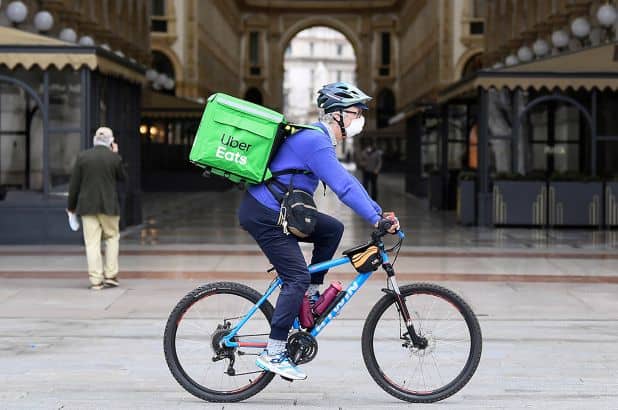
Food delivery workers in New York City could get some relief from a slate of legislative proposals coming from City Council after months of negotiations, protests, and grueling work. The Los Deliveristas Unidos, a collective of mostly immigrant food delivery workers, have been organizing for months to secure basic workplace protections. Bathroom access is a huge issue—food delivery workers report that restaurants deny them access to bathrooms, and food delivery apps don’t provide bathrooms, so delivery workers are forced into uncomfortable and potentially unhealthy situations. One study found that 67% of delivery workers have been denied bathroom access by restaurants in the past year. One driver reported that restaurants tell him the bathroom is for “customers only,” which didn’t make sense to him: “Don’t I count? Who’s the one making sure your customer gets the food?” City council members told THE CITY that they are introducing a legislative package on Thursday to address food delivery workers’ health and safety. The bills are expected to include measures to raise wages, measures to ensure that tips make it to drivers, provisions that force restaurants and bars to allow drivers bathroom access or face fines, and provisions that allow workers to set distance limits on their travel and to select their own routes. Food delivery workers have been deemed “essential” and have been relied upon to deliver our food throughout the pandemic. Hopefully they will soon be able to use the bathroom at work.

Daily News & Commentary
Start your day with our roundup of the latest labor developments. See all
September 22
Judge blocks ICE raids in Alabama; Chicago hotel workers vote to strike; AutoZone workers look to create first union
September 21
In today’s News and Commentary, the Seventh Circuit raises the bar for the NLRB to obtain preliminary injunctions, the California Primary Care Association sues SEIU-UHW for racketeering, and the Seventh Circuit finds that an employer group and think tank do not have standing to challenge an Illinois law banning captive audience meetings. On Friday, the […]
September 20
Culinary Workers Union members protests union leadership; lawsuit against OpenAI and Microsoft reveal internal concerns about the threat of AI training to human labor.
September 17
Unions push to block Google from buying Spirit Airlines employment records; U.S. Department of Labor sues Oklahoma coffee chain over alleged wage violations.
September 16
Trump nominates Catherine Eschbach as EEOC general counsel; NLRB declines to resolve union work-assignment dispute; Allina Health physicians begin four-day strike.
September 15
Documents reveal the inner workings of Amazon's union avoidance program; Washington state public sector unions reach tentative deals amid a difficult bargaining cycle; hundreds of Nevada Culinary Union members protest their union's health care changes.