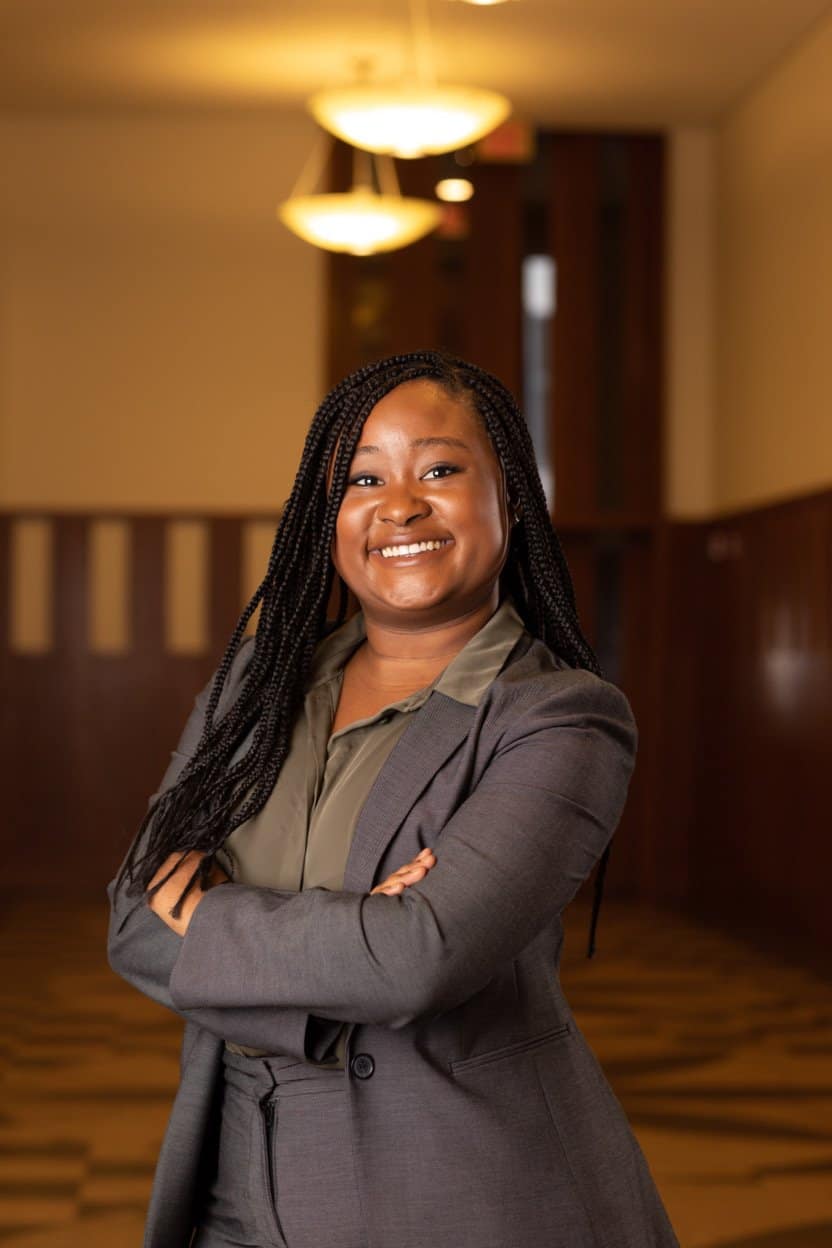
Courtney Brunson is a student at Harvard Law School and member of the Harvard Legal Aid Bureau.
Following Britain’s Supreme Court’s ruling that Uber must classify its drivers as employees in order for them to be provided access to benefits like vacation pay, rest breaks, and a minimum wage, Bloomberg reported on the International Labor Organization’s (ILO) statement yesterday that urged better regulatory cooperation among countries to protect workers in the digital economy. They specifically expressed their concern over algorithms, and not humans, “allocating and evaluating work, and administering and monitoring workers.” The ILO suggested that greater protections for workers should include regularity of work and income, access to social protections, freedom of association, and collective bargaining rights.
Chairman of Federal Reserve Jerome Powell spoke in front of the Senate Banking Committee yesterday. His remarks to lawmakers included stating that the economy is far from its employment and inflation goals, declining to comment on the current $1.9 trillion spending plan in Congress, asserting that the Fed cannot affect wealth inequality because it is primarily a fiscal policy issue, and determining that the economy’s recovery from the pandemic recession will be “robust” in the future but currently remains “uneven and far from complete.” This testimony occurred alongside Reuter’s report on a consumer confidence index survey from The Conference Board, Inc., a 501 non-profit business membership and research group organization. It concluded that consumers are more interested in overseas vacations than they have been in past months but that fewer consumers intend to purchase homes, automobiles, and other big-ticket items over the next six months.
The Wall Street Journal wrote an article about the important role that Venezuelan workers have been playing in the Latin American economy. According to the International Monetary Fund, almost 2 million Venezuelans have fled their country and moved to Colombia since 2015. Since that time, they have made significant economic contributions to the country by fulfilling jobs that Colombians have avoided including harvesting coffee, picking potatoes, and forming small businesses. The Colombian government has implemented a program to legalize at least one million undocumented Venezuelans in order to collect taxes on their employment as well as provide them with healthcare and schooling.
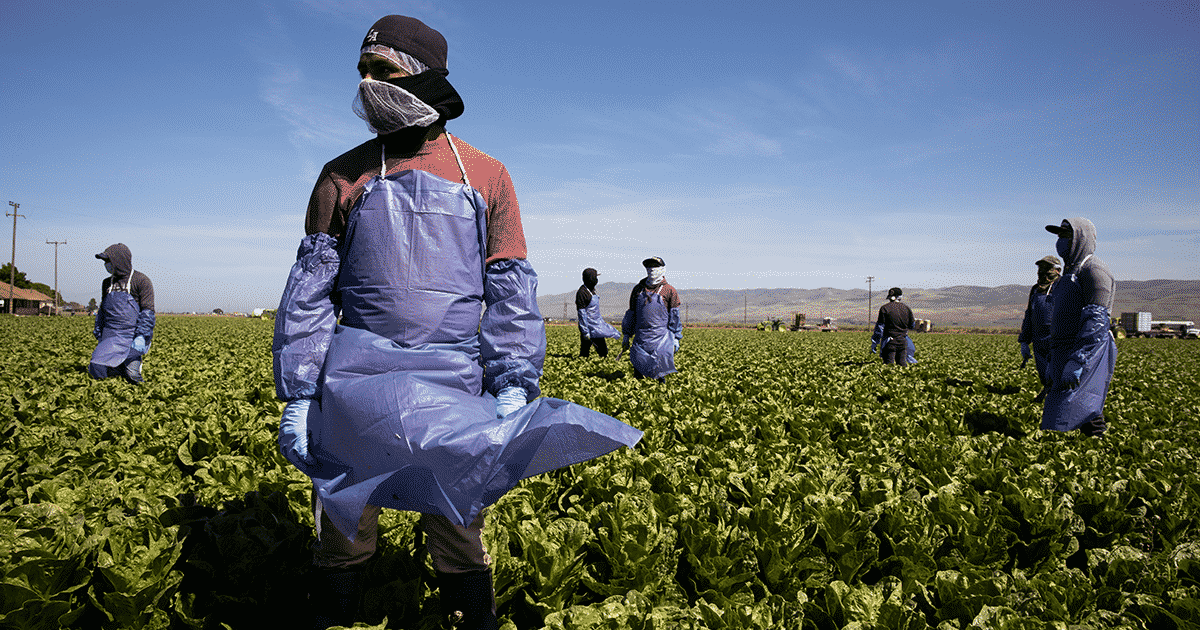
In California, Central Coast United for a Sustainable Economy (CAUSE), a local advocacy group, has successfully reached a settlement on behalf of 212 farmworkers who were allegedly unlawfully fired and threatened with law enforcement by Rancho Laguna after they engaged in a work stoppage seeking to increase their wages. CAUSE filed an unfair labor practice charge in May 2020 with the California Agricultural Labor Relations Board (ALRB), which was established by the Agricultural Labor Relations Act in 1975 to protect the rights of farm employees and labor organizations. The settlement announcement was made on Saturday and stipulated that the farmworkers would receive nearly $30,000 to compensate impacted workers for potential economic losses that resulted from the alleged retaliation.



Daily News & Commentary
Start your day with our roundup of the latest labor developments. See all
October 23
Employers increasingly shift health care costs onto workers and NYC proposes placing restrictions on fully automated customer service.
October 22
SCOTUS declines Wilcox appeal; Penn State research assistants win bargaining rights; SEIU sued over military leave firing.
October 21
DOL withdraws tipped-worker rule; Instacart settles hiring-bias claims; Phillips 66 locks out New Jersey refinery workers.
October 20
Korean unions oppose labor exemption bill; Portland city workers prepare for strike; UPenn grad student union looks to dismiss university filing
October 19
FDA reverses course on policy prohibiting off-duty union activity; FAA and NATCA reach deal to secure pay increase for air traffic controllers.
October 18
Federal judge again halts cancellation of the Bureau of Prisons’ CBA; tabletop gaming workers face roadblocks in union recognition.