
Deanna Krokos is a student at Harvard Law School
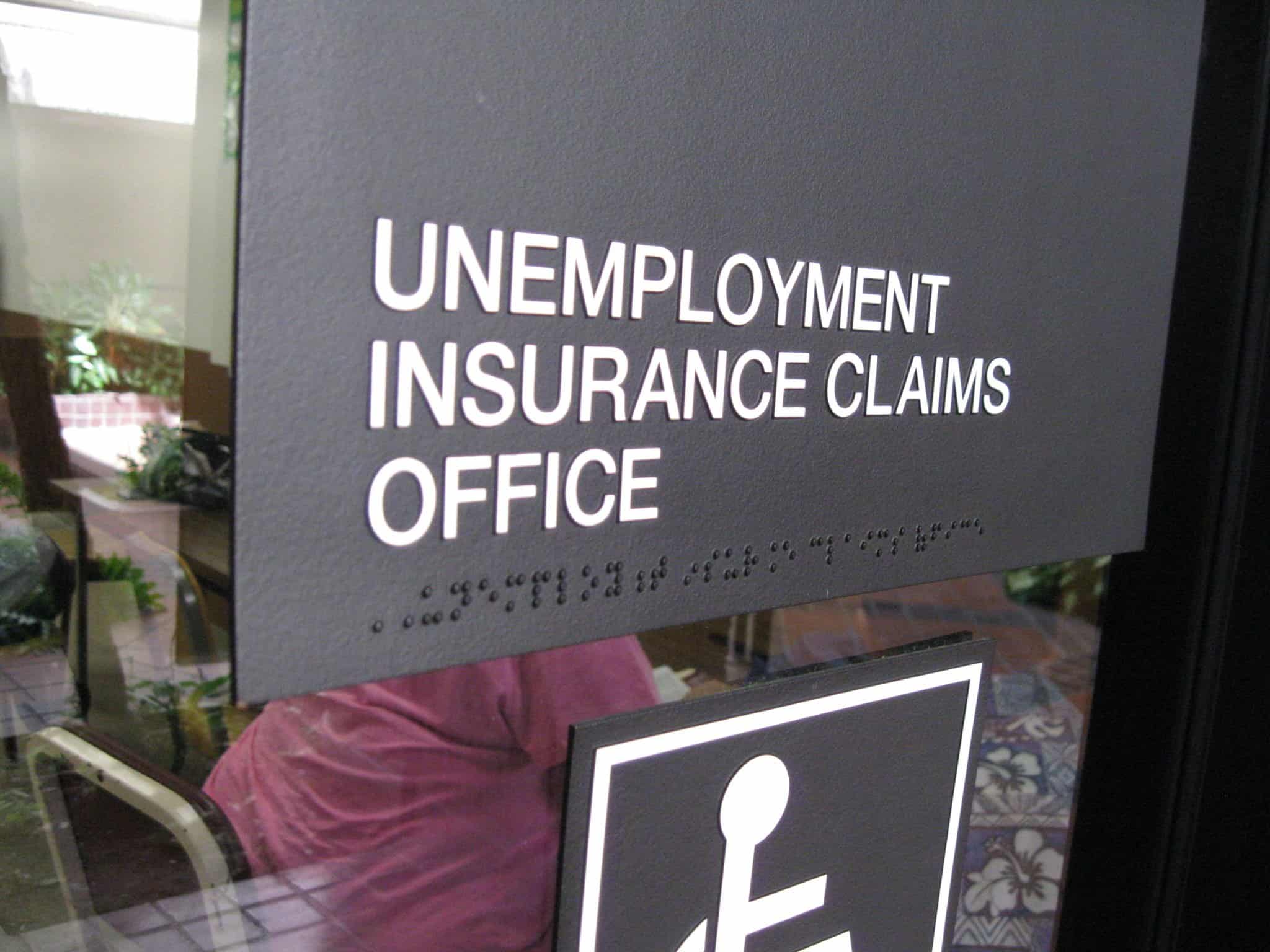
Today, the New York Times reported on the state of unemployment payments in Florida, calling the state a “terrible” place to lose a job. Florida is one of the slowest states in the nation to handle unemployment claims, and seems to have been unprepared to handle the economic impact of COVID-19. As workers lost their jobs and filed new claims, Florida’s electronic unemployment filing system failed and hundreds lined up outside to attempt to file in person before the state began to offer paper applications. NYT notes that of over 850,000 claims filed, the state has only begun sending payments to 117,000 now unemployed workers. Unite Here Local 355, a union representing Florida hotel and casino workers, told the New York Times that “98% of its 7,000 members” had been laid off. The state has also been slow to establish a separate system for gig workers to file for benefits, as many are left with no income.
This week, Washington Post provided further updates on the outbreaks in meat processing plants. Wapo reports that many plant operators instructed workers to remain in crowded workplaces even when sick, and failed to provide adequate protective gear to their employees. These plants have become significant sources of outbreaks, and Tyson, JBS ad Smithfield have closed a collective 15 plants because of coronavirus spread. Meat production is a vital source of employment for many rural areas, and crucial to the nation’s food supply, making the failure to proactively protect meat workers a tragedy. One Smithfield worker wrote in a Wapo editorial that Smithfield continued to discipline workers who requested sick leave well into the crisis and that Smithfield operators ignored state guidance of safety equipment and social distancing orders.
The Internal Revenue Service is recalling furloughed workers this week, asking thousands to return to agency offices to perform essential functions. The recall is voluntary, but the IRS is offering incentive pay to meet the high demand to process tax filings during the extended filing period. Some House Democrats have warned that the move is hasty, noting that the government admits they don’t have enough immediate supply of personal protective equipment for all of the recalled workers, and the IRS is urging employees to bring personal masks with them to work.





Daily News & Commentary
Start your day with our roundup of the latest labor developments. See all
October 14
Eleventh Circuit overturns ERISA exhaustion rule; DHS finalizes removal of automatic renewal for work permits; AFGE challenges SSA over flexible scheduling policy.
October 13
Chicago hotel workers remain on strike; a coalition of Democratic states sues the Labor Department over canceled unemployment insurance grants; the Federal Labor Relations Authority establishes a new mediation framework for federal worker disputes.
October 12
Workers at the Obama Foundation begin organizing; MLB submits its latest collective bargaining agreement proposal; Brigham & Women's nurses postpone strike.
October 11
UAW President Shawn Fain succeeds in his reelection bid, and Spanish unions call for a general strike.
October 9
DHS proposes a $100k fee for the foreign grad employment program; Trump suspends tech company access to green card program; and private equity perpetuates poor working conditions for home care workers.
October 8
NLRB judge finds UPS unlawfully restricted union insignia; Harvard graduate workers authorize second strike; OSHA orders Union Pacific to pay $300,000 in damages in whistleblower case.