

Martin Drake is a student at Harvard Law School.
US job openings hit a record high in March, running about equal to the number of unemployed workers, Reuters reports. The high job openings parallels an uptick in the rate of workers quitting their jobs in the same month. Despite the high quits rate—indicating that workers are finding better opportunities—growth in average hourly earnings has remained tepid. Some attribute the high job openings to a “skills gap,” although the lack of significant wage growth points away from this explanation.
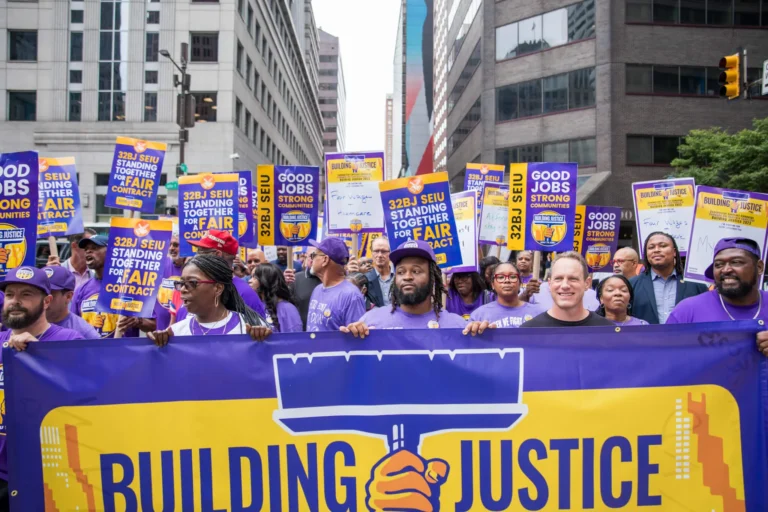
University of California (UC) campuses are feeling the impact of a 50,000 worker strike this week, as American Federation of State, County and Municipal Employees Local 3299 and their allies walk off of their jobs across the UC system, the Los Angeles Times reports. Despite UC’s plans to continue with normal operations, as OnLabor previously reported, university medical centers were forced to reschedule more than 12,000 surgeries, cancer treatments and appointments, and campuses to cancel some classes and limit dining services. Additionally, US Senator Kamala Harris has cancelled her appearance as UC Berkeley’s commencement speaker in support of the strike, NBC reports. Workers are demanding continued full pension benefits, 6 percent annual pay raises and no increase in healthcare premiums.
The UC strikes are part of a flurry of strike activity in 2018, eschewing last year’s historically low amount of work stoppages, CBS News reports. In 2017, the Department of Labor recorded seven stoppages of 1,000 or more workers for at least one work shift—the second-lowest number recorded. In contrast, seven large work stoppages happened in the first three months of 2018. The trend is not confined to the first quarter of the year either, with teachers engaging in massive work stoppages across the country up through this week. Just last night Los Angeles schools averted adding to nationwide work stoppages, announcing a contract with 30,000 school support staff who planned to strike May 15, the Los Angeles Times reports.
The Department of Labor (DOL) plans to roll back child labor protections that prevent 16- and 17-year-olds from receiving extended, supervised training in certain dangerous jobs, Bloomberg Law reports. The work includes roofing along with jobs operating chainsaws and other power-tools, and include some of the nation’s most hazardous working conditions. The DOL’s draft regulations are expected to be formally released today as part of a list of all regulatory actions anticipated over the next 12 months. Michael Hancock, a former senior official in the DOL’s Wage and Hour Division, characterized the plan as “stretching credulity,” and noted that children get severely injured in those types of work environments.




Daily News & Commentary
Start your day with our roundup of the latest labor developments. See all
September 28
The Protect College Sports Act nears passage in the Senate; San Francisco municipal workers agree to contract extensions.
September 27
The Trump Administration reaches a settlement with federal unions on reduction in force actions; the United Auto Workers file an en banc petition seeking review of a Second Circuit decision regarding labor arbitrations.
September 25
Healthcare workers rally to restore legal status for TPS holders; nurses at a Maine hospital overwhelmingly vote to form their union despite alleged aggressive union busting tactics.
September 24
NLRB abandons rule for offensive conduct during protected activity; New York home care workers seek a union election; maritime deck officers endure long fight for first contracts.
September 23
DoorDash settles delivery-worker pay claims; Philadelphia school workers win new contract; stock gains spur retirements.
September 22
Judge blocks ICE raids in Alabama; Chicago hotel workers vote to strike; AutoZone workers look to create first union