
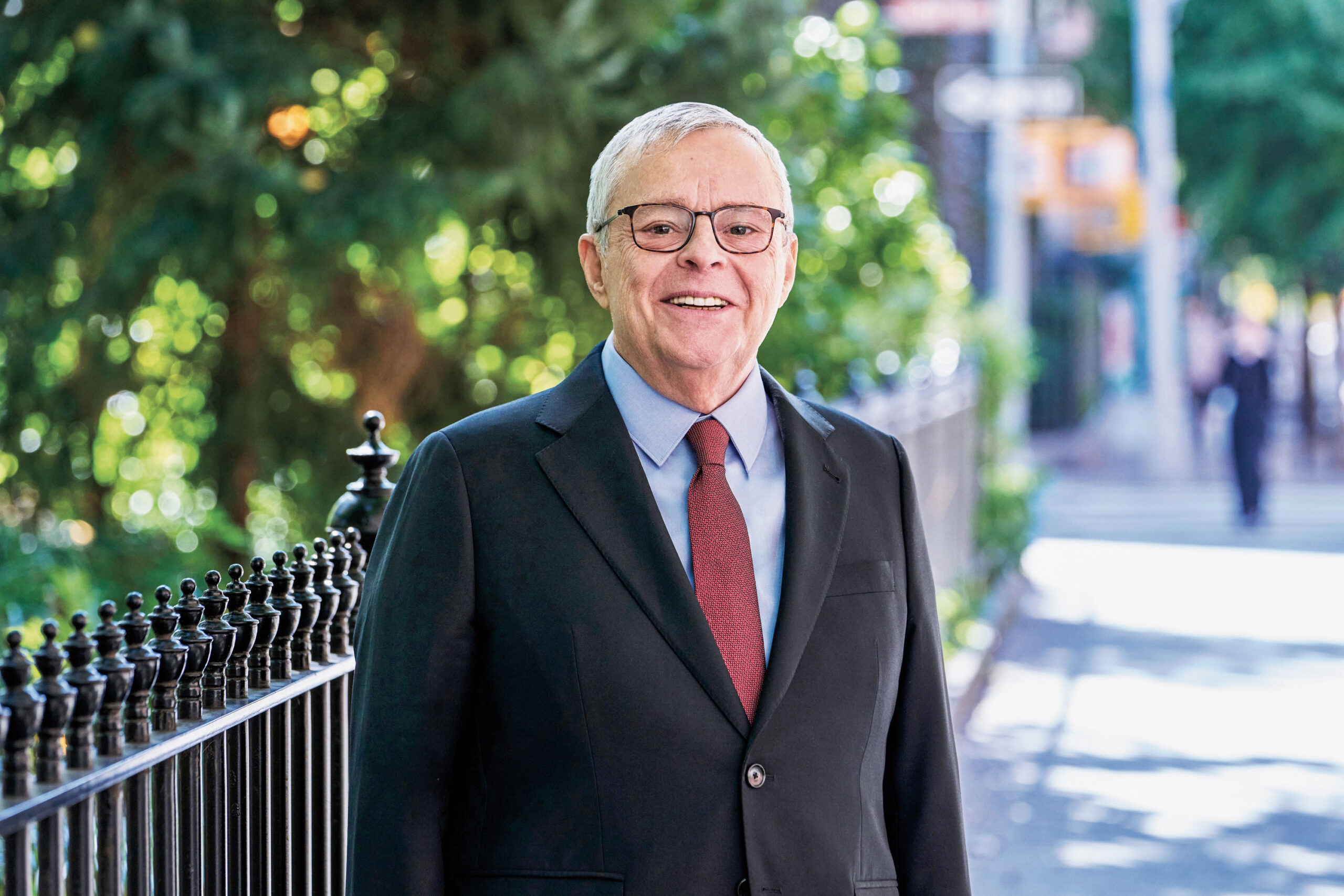
Sam Estreicher is the Dwight D. Opperman Professor of Public Law at NYU School of Law, where he directs the Center for Labor and Employment Law. He served as chief reporter of the Restatement of Employment Law (2015).
I link to an amicus curiae brief that was filed Friday in the Ninth Circuit appeal, Chamber of Commerce of the United States v. City of Seattle, No. 17-35640, with the help of Matthew J. Segel and Kymberly K. Evanson of the Pacifica Law Group. The brief offers an alternative ground for affirming the order of the District Court granting the City’s motion to dismiss: the availability of the 1914 Clayton Act’s labor antitrust immunity. The City’s Ordinance is limited to Uber and Lyft drivers who are not “employees” under the National Labor Relations Act (NLRA). Labor’s immunity, which precedes by two decades enactment of affirmative federal legislation like the 1935 NLRA and the 1938 Fair Labor Standards Act, is not based on coverage as statutory employees under these laws. Rather, it turns on whether the individuals seeking shelter under the Clayton Act are “workers” or “laborers”, best defined as individuals who are principally providers of their own services, without significant capital investment, for companies — in this case called “driver coordinators” like Uber and Lyft – who make the necessary business decisions. These coordinators, not the drivers, make the principal entrepreneurial decisions as to what to charge for the drivers’ services, what percentage of that charge goes to drivers’ compensation, and the manner in which services are to be provided. Although sometimes the Clayton immunity is referred to one for labor “acting alone,” the reference is to labor not acting in combination in business groups to cartelize non-labor markets, which is not present in this case. The fact that the City has enacted a framework for deciding who shall represent the drivers and resolving disputes over terms and conditions of the provision of their labor does not derogate from the labor-antitrust immunity of the drivers and their representative. The argument in the brief will be presented greater detail in an upcoming article.



Daily News & Commentary
Start your day with our roundup of the latest labor developments. See all
August 14
Hollywood unions diverge in response to the Paramount-Warner merger saga; Tesla defeats a years-long strike in Sweden, and labor scholars advocate for state sectoral bargaining policy innovation.
August 13
EEOC complaint process expected to harm federal workers; former UAW leaders endorse Fain challenger; Xbox employees protest layoffs.
August 12
Third Circuit affirms dismissal of driver’s bias and retaliation claims against CBS and Teamsters; employment litigation surges in Washington state; MIT Sloan professor argues the rise of “disposable workers” is transforming American employment.
August 11
Rideshare drivers nearing union certification in California; UFCW campaigns against electronic shelf labels; Teamsters support NYC delivery driver bill.
August 10
Employee sues for a fossil-fuel-free 401(k) plan as a religious accommodation; DHS submits a proposed rule eliminating 60-day grace period for H-1B workers; Eighth Circuit dismisses constitutional challenge to the FMSHRC.
August 7
Starbucks beats claims it denied shifts to union workers; Center for State Labor Innovation aims to address labor law shortcomings.