
Luke Hinrichs is a student at Harvard Law School.
In today’s news and commentaries, group representing ports and major shipping lines files unfair labor practice charge against longshore workers’ union as strike looms, Maine’s Labor Department increases enforcement of wage theft under new state law, and UAW reaches a tentative local agreement at Ford’s tool and die unit in Michigan.
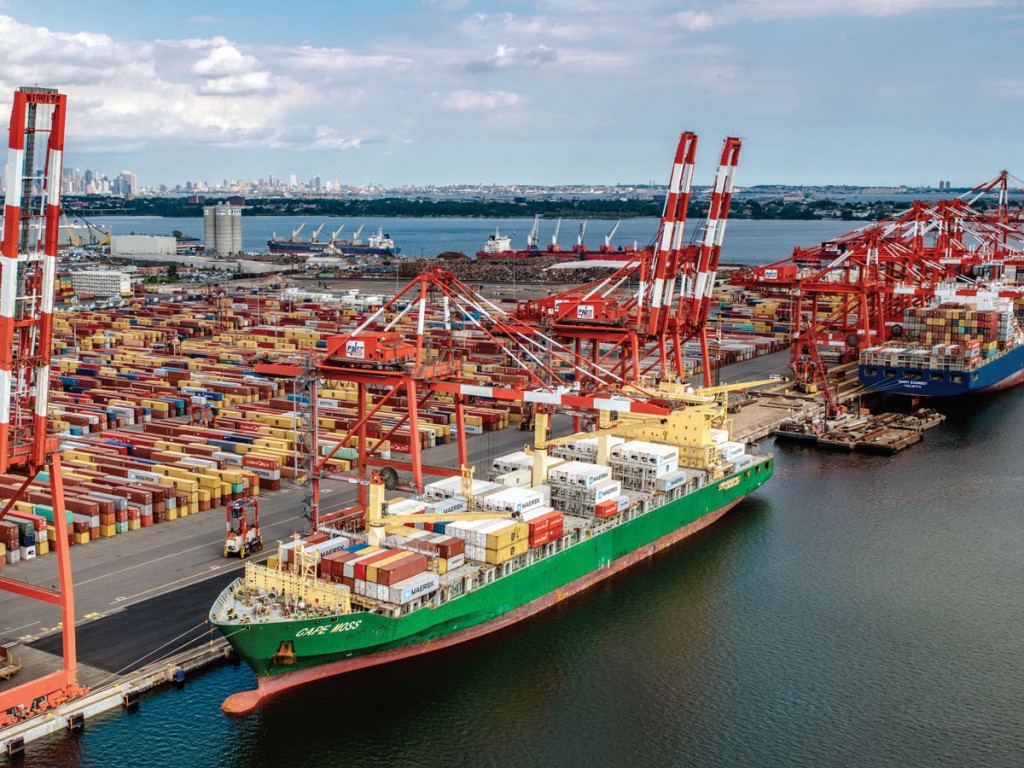
Roughly 50,000 Longshore workers represented by the International Longshoremen’s Association (ILA) at ports from the northeast to Texas are set strike on Tuesday, October 1 when their contracts expire. In the ongoing contract negotiations, the ILA has demanded higher wages and job security protections from automation. The US Maritime Alliance—representing the major shipping lines, terminal operators, and port authorities—filed an unfair labor practice complaint with the National Labor Relations Board claiming the ILA is not bargaining in good faith. The complaint seeks immediate relief through an order requiring the union to resume bargaining. It remains unclear whether the NLRB will rule before the longshore worker’s strike deadline on October 1.
As of August 9, a new state law in Maine went into effect empowering the state’s labor department to impose liquidated damages on employers for wage theft and labor law violations. Maine’s Labor Department has since increased focus on recovering liquidated damages for workers affected by labor law violations. On Monday, the Maine Labor Department announced that it has ordered the payment of more than $20,000 in unpaid wages and damages to 22 workers.
The United Auto Workers (UAW) set a September 26 deadline to strike at Ford’s tool and die unit employing roughly 500 workers at the company’s Rouge Complex in Michigan if local contract issues remained unresolved. Just hours before the strike deadline, UAW Local 600 announced that a tentative local agreement has been reached with Ford which “strengthens job security by protecting against the impacts of advancements in 3D printing” and eliminates “the wage disparity for skilled trades, ensuring fair and equal pay across the board,” according to the UAW press release. While a strike is currently averted, UAW members at the Ford facility in Dearborn will review and vote on the agreement in the coming days.



Daily News & Commentary
Start your day with our roundup of the latest labor developments. See all
August 13
EEOC complaint process expected to harm federal workers; former UAW leaders endorse Fain challenger; Xbox employees protest layoffs.
August 12
Third Circuit affirms dismissal of driver’s bias and retaliation claims against CBS and Teamsters; employment litigation surges in Washington state; MIT Sloan professor argues the rise of “disposable workers” is transforming American employment.
August 11
Rideshare drivers nearing union certification in California; UFCW campaigns against electronic shelf labels; Teamsters support NYC delivery driver bill.
August 10
Employee sues for a fossil-fuel-free 401(k) plan as a religious accommodation; DHS submits a proposed rule eliminating 60-day grace period for H-1B workers; Eighth Circuit dismisses constitutional challenge to the FMSHRC.
August 7
Starbucks beats claims it denied shifts to union workers; Center for State Labor Innovation aims to address labor law shortcomings.
August 6
Taylor Farms faces scrutiny over labor practices; Bipartisan labor bill gains momentum.