
Zachary Boullt is a student at Harvard Law School.
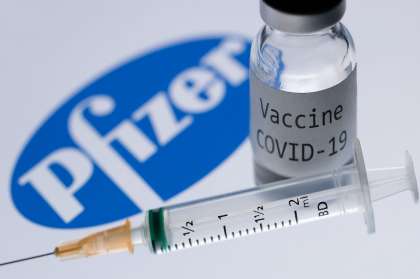
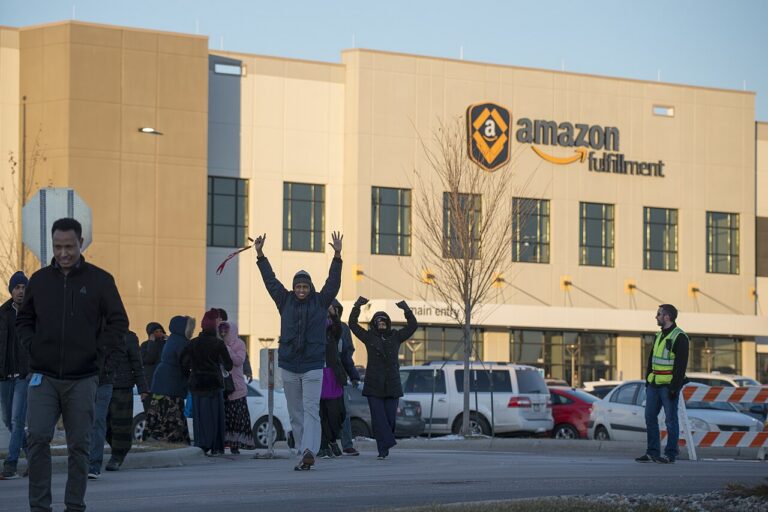
As vaccine rollout begins, companies and industry groups have begun aggressively lobbying states to give their workers priority after health care workers and nursing home residents. Since each state has discretion regarding who will receive the second round of vaccine, different industries have begun making their case. These include rideshare employers, food delivery services, the airline industry, the hotel industry, the trucking industry, the meatpacking industry, retail employers, and employers along supply chains like Amazon. Arguments range from the essential role some workers played during the pandemic, to how hard the industry was hit by the pandemic, to infrastructure vitality. Some employers are also turning to appeals to private pharmaceutical vendors to secure vaccines through that channel rather than through the public health system.
Workers at Arizona State University announced that they are unionizing. The ASU workers will join University of Arizona workers in being members of local chapter University Campus Workers of Arizona 7065, a wall-to-wall union covering all workers at the universities. The union is part of Communication Workers of America. Unionization efforts were begun at both campuses through coalitions that formed in response to the pandemic. The union is expected to work on issues regarding pay gaps and job security, particularly in light of pandemic-related furloughs and non-renewal of contracts.
As one immediate consequence of the pandemic relief bill that has cleared both houses of Congress, American Airlines has announced its intent to begin recalling furloughed employees as soon as the bill is approved. The first paychecks will be sent on December 24, with pay and benefits retroactive to December 1. The relief bill is expected to cover airlines’ payroll funds through the first quarter of 2021.

Daily News & Commentary
Start your day with our roundup of the latest labor developments. See all
July 16
Trump's NLRB nominee set for Senate vote, federal district court grants partial win on WARN Act claims, Brigham and Women's nurses return to work.
July 15
U.S. labor productivity climbs at its fastest pace in decades; a federal judge grants a preliminary injunction to anti-abortion groups challenging Michigan’s civil rights law; and Jackson, Mississippi’s bus workers walk off the job.
July 14
DOJ opens investigation of UAW president; LIUNA protests Pfizer building collapse; national park workers unionize
July 13
New York Times files retaliation suit against the EEOC; US government pushes back TPS designation termination for Haiti; federal judge grants preliminary injunction to federal workers seeking reasonable telework accommodations.
July 12
Postal workers demand investigation into Atlanta distribution center conditions following deaths; University of Chicago Press Workers vote to unionize.
July 10
Brigham and Women’s Hospital locks out 4,000 nurses after one-day strike; appeal filed challenging agency-shop agreements.