
Otto Barenberg is a student at Harvard Law School and the former Digital Director of OnLabor.
In today’s news and commentary, Boeing Machinists go on strike; New York City taxi drivers secure backpay for unlawful license suspensions; and Air Canada pilots win a raise.
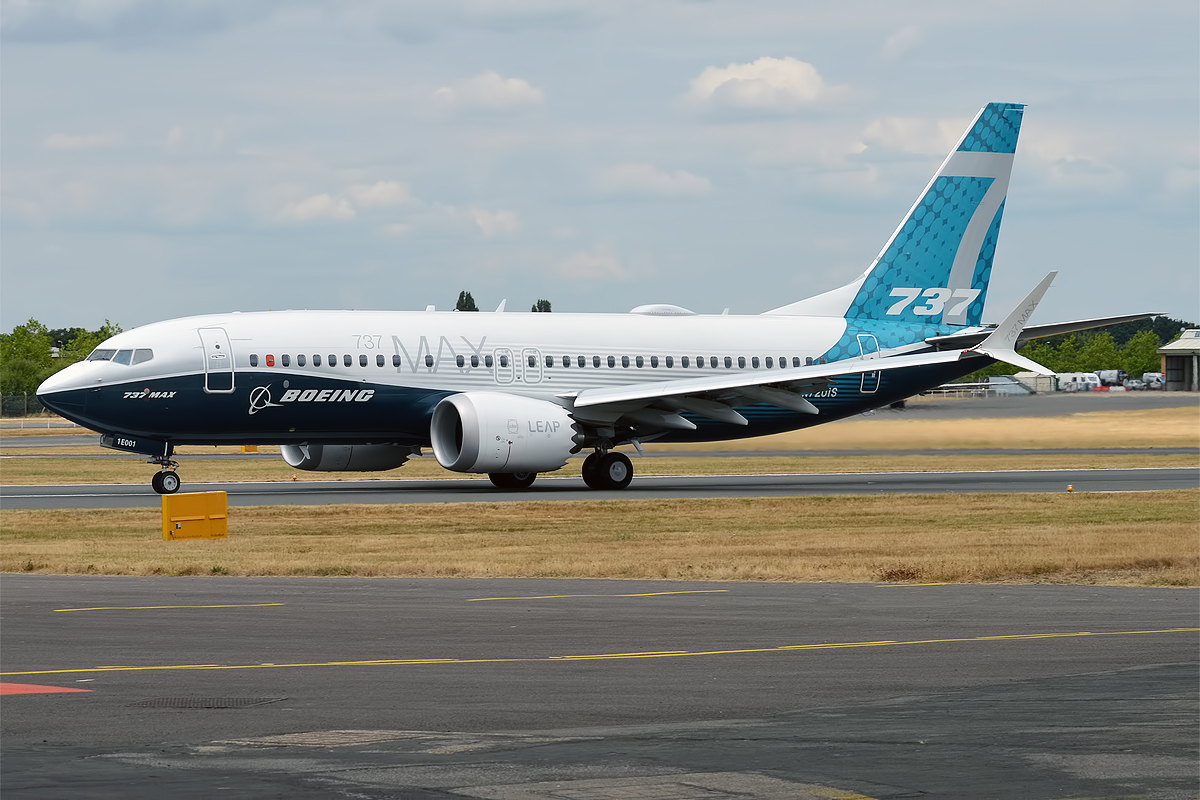
Machinists at Boeing’s Seattle and Oregon plants walked out early Friday morning after rejecting a tentative agreement that would have raised wages by 25 percent over four years. Balking at union leadership’s support for the proposed contract, 94.6 percent employees voted it down, and 96 percent voted to strike. It’s the largest strike in the United States—encompassing over 32,000 workers across the Pacific Northwest—since UAW’s walkouts at the Big Three last fall.
Wages are the key sticking point. Workers say the proposed 25 percent raise isn’t enough to make up for slow wage growth over the past decade. Wages for mid-ranking workers have risen only 25 percent since 2008, despite 44 percent inflation over the same period. Additionally, the tentative agreement would have nixed an annual bonus and failed to redress Boeing’s elimination of defined-benefit pensions and cuts to 401(k) contributions. Employees are holding out for a 40 percent wage hike: “[w]e are firm on that,” Phet Bouapha, a nine-year mechanic, told the New York Times. And machinists sense a unique moment of consensus and strength. “People are really excited to strike,” Ky Carlson, an assembler, told Labor Notes. “This is the most unified, the most solidarity I’ve ever seen at this place.”
On Friday, a federal district court sided with New York City taxi drivers in a multi-year dispute over license suspensions. The court upheld compensatory damages awarded to ten drivers at a bellwether trial last year. The ruling follows nearly two decades of legal challenges to the New York Taxi and Limousine Commission’s (TLC’s) practice of summarily suspending drivers arrested for certain crimes. In 2019, after years of litigation, the Second Circuit held the TLC’s summary suspensions violated drivers’ constitutional right to due process. The court subsequently certified a class of 20,000 drivers suspended between 2003 and 2020; over 8,000 elected to pursue damages at trial, and the first ten won damages awards of up to $39,000 last year. The court rejected the TLC’s challenge to those awards, finding drivers’ testimony about lost wages sufficient to establish compensatory damages.
Air Canada and the Air Line Pilots Association (ALPA) reached a last-minute deal to avert a pilots strike that had threatened to shutter the airline’s operations this week. ALPA, which represents over 5,200 Air Canada pilots, said the deal would bring an additional $1.4 billion to its members over the four-year contract term. The union has pushed to bring Air Canada pilots’ pay in line with the substantial gains achieved by pilots at other North American airlines. In their contract earlier this year, for instance, United Airlines pilots achieved a 42 percent pay bump, and now earn nearly twice as much as their Air Canada counterparts.



Daily News & Commentary
Start your day with our roundup of the latest labor developments. See all
October 9
DHS proposes a $100k fee for the foreign grad employment program; Trump suspends tech company access to green card program; and private equity perpetuates poor working conditions for home care workers.
October 8
NLRB judge finds UPS unlawfully restricted union insignia; Harvard graduate workers authorize second strike; OSHA orders Union Pacific to pay $300,000 in damages in whistleblower case.
October 7
DOL scraps plan to remove decades-old wage-and-hour guidance from federal regulations; New York enacts personnel records access law; Starbucks loses bid to dismiss Workers United trademark suit.
October 6
Protect College Sports Act dampens athlete unionization outlook; Stanford RA union decides to withdraw petition
October 5
Delaware bans captive audience meetings; EEOC settles remote work national origin discrimination claim; First Circuit stays enforcement order in VA's dispute with AFGE.
October 4
Boston nurses announce open-ended strike; federal judge restores federal prison workers' union protections; St. Louis workers form the first movie theater union in Missouri.