
Sunah Chang is a student at Harvard Law School.
In today’s news and commentary: the Supreme Court grants petition to hear a case on a retiree’s ability to sue a former employer for disability discrimination, a federal district court in Texas blocks a DOL rule expanding wage requirements for construction contractors, and South Korean Hyundai workers gear up to strike.
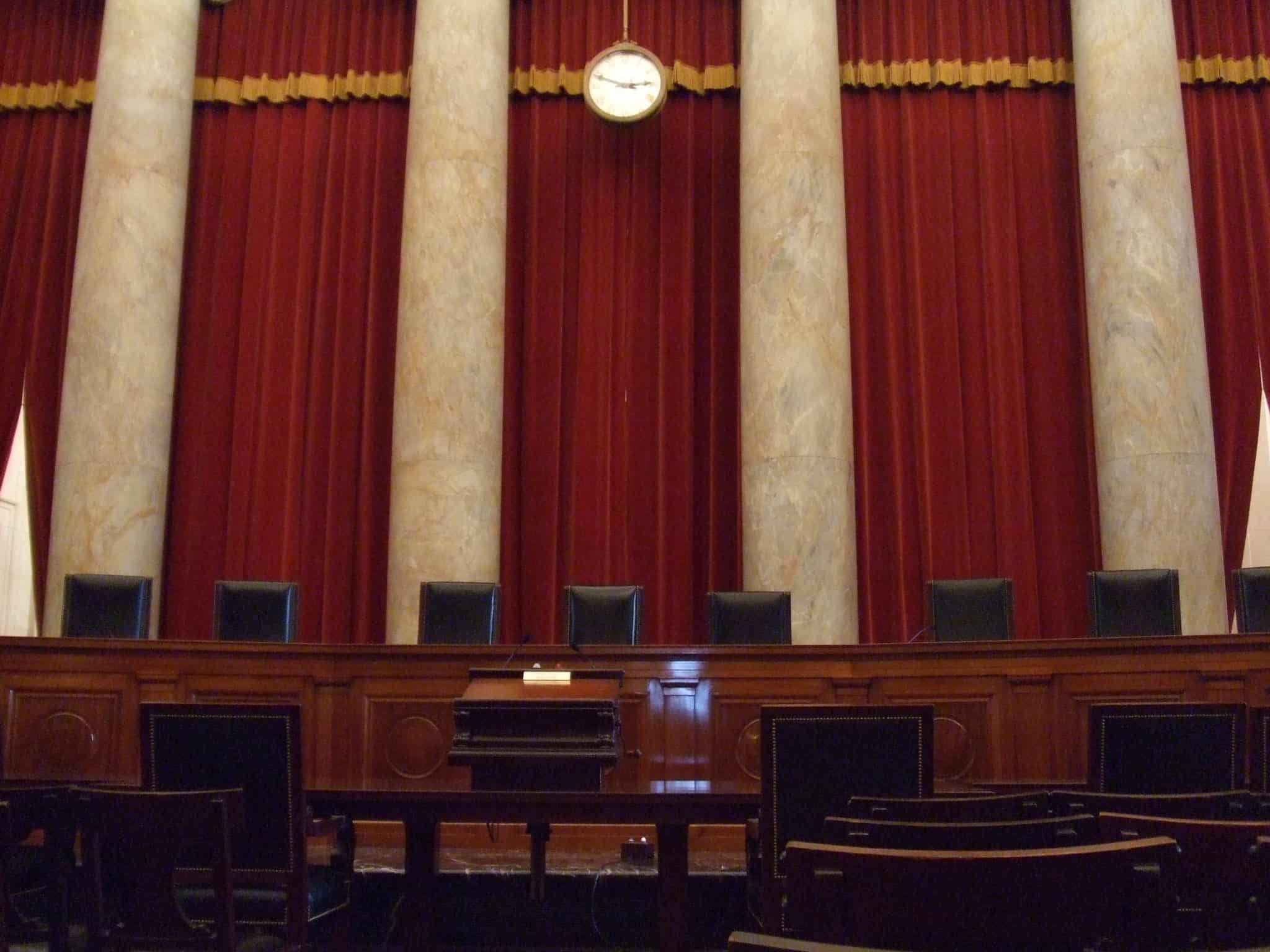
Yesterday, the Supreme Court agreed to hear a case regarding whether an employee loses the right to sue their former employer under the Americans with Disabilities Act once they leave the job. The case was originally brought by Karyn Stanley, a former firefighter from Sanford, Florida, who retired from her job due to health issues caused by Parkinson’s disease. When she first began working as a firefighter, Ms. Stanley’s employment benefit package included a retirement health insurance subsidy. However, in 2003, the city changed the insurance subsidy to curb benefits for employees who retire as a result of a disability. Ms. Stanley was unaware of this policy change until after she retired, when the city discontinued her health insurance subsidy. In 2020, Ms. Stanley filed a lawsuit against the city, alleging that the subsidy policy discriminated against her on the basis of disability in violation of the ADA. The trial court dismissed her ADA claim, noting that a retired former employee was no longer a “qualified individual” with standing to pursue a claim under the ADA. The Eleventh Circuit affirmed the dismissal, and Ms. Stanley petitioned the Supreme Court for review.
The Supreme Court’s decision in this case will resolve a circuit split over whether a former employee loses the right to sue for discrimination under the ADA with respect to benefits they earned while employed. Currently, there are three circuits (the Sixth, Seventh, and Ninth Circuits) that agree with the Eleventh Circuit’s view that a former employee may not sue under the ADA for discrimination in the post-employment distribution of benefits. By contrast, two circuits (the Second and Third Circuits) have held that a former employee does not lose the ability to sue their employer under the ADA after leaving or retiring from their position.
Over in Texas, a federal district court ruled to temporarily block part of the Department of Labor’s rule requiring construction contractors to pay truck drivers and material suppliers prevailing wages. The rule, which went into effect last October, also updated the formula that the government uses to set prevailing wage rates. Based on these changes, the rule was estimated to raise the prevailing wage standard for approximately 1.2 million construction workers.
The rule was promulgated under the Davis-Bacon Act, which enables the DOL to establish wage floors for federally funded construction projects based on prevailing wages. The court held that the DOL likely went beyond its authority under the Davis-Bacon Act by expanding coverage to workers beyond mechanics and laborers employed directly on the site of the work; however, the court left the rule’s updated formula for setting prevailing wages intact.
Across the globe, South Korean autoworkers have voted to authorize a strike against Hyundai. Nearly 90% of the union, which boasts over 43,000 members, agreed to approve the strike after recent rounds of bargaining with the company stalled. The union is demanding a minimum basic monthly pay increase of 159,800 won and an increase in the retirement age to 64 from 60. If the strike occurs, it would mark the first strike launched against Hyundai in six years.




Daily News & Commentary
Start your day with our roundup of the latest labor developments. See all
October 23
Employers increasingly shift health care costs onto workers and NYC proposes placing restrictions on fully automated customer service.
October 22
SCOTUS declines Wilcox appeal; Penn State research assistants win bargaining rights; SEIU sued over military leave firing.
October 21
DOL withdraws tipped-worker rule; Instacart settles hiring-bias claims; Phillips 66 locks out New Jersey refinery workers.
October 20
Korean unions oppose labor exemption bill; Portland city workers prepare for strike; UPenn grad student union looks to dismiss university filing
October 19
FDA reverses course on policy prohibiting off-duty union activity; FAA and NATCA reach deal to secure pay increase for air traffic controllers.
October 18
Federal judge again halts cancellation of the Bureau of Prisons’ CBA; tabletop gaming workers face roadblocks in union recognition.