
Henry Green is a student at Harvard Law School.
In today’s news and commentary, SEIU seeks union rights for rideshare drivers in California, New Jersey proposes applying the ABC Test, and Board officials push back on calls for layoffs.
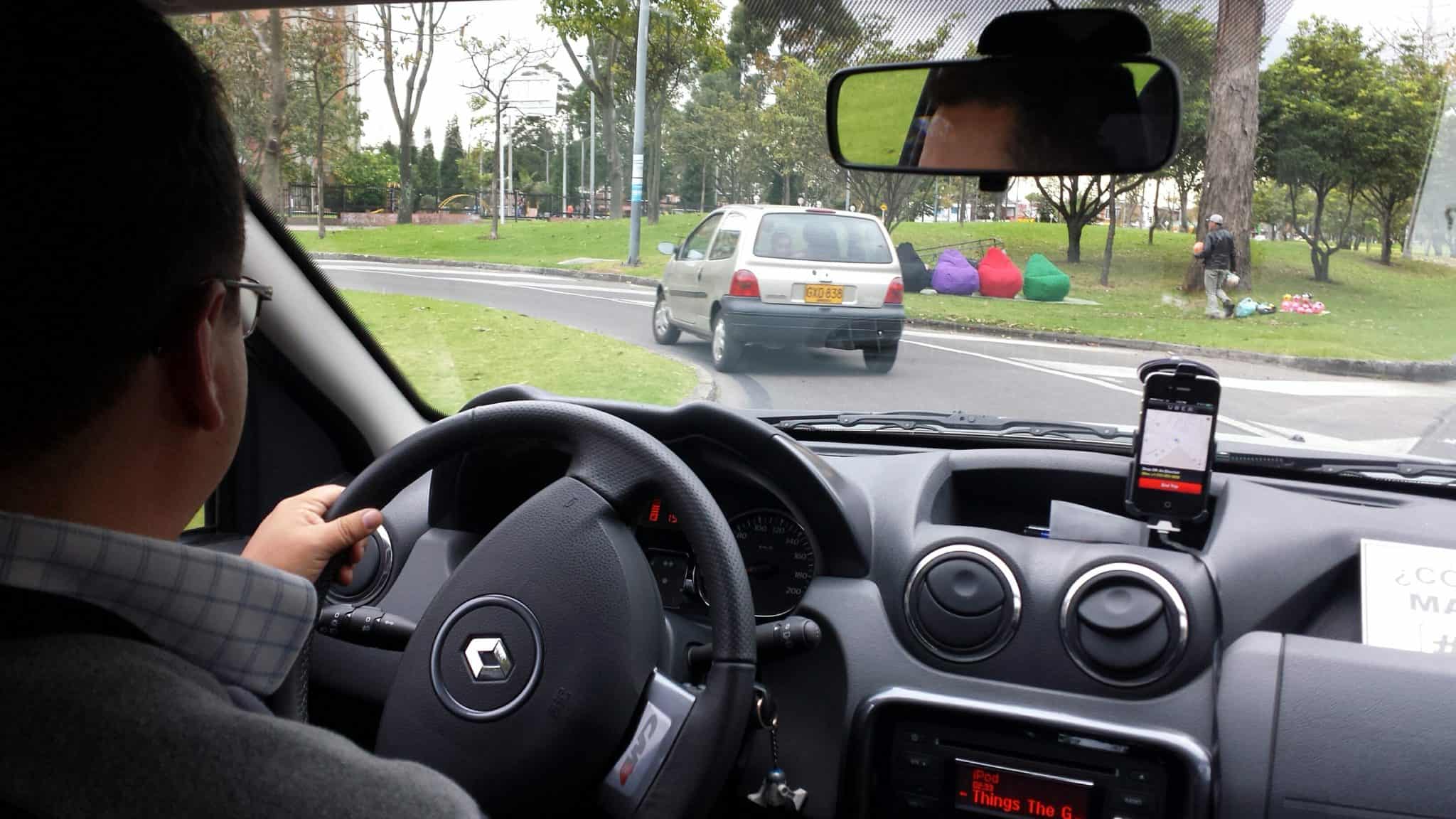
In California, Politico reports that an SEIU-backed bill that would allow rideshare drivers to join unions has passed out of committee, “clear[ing] its first hurdle.” The bill’s current text is available here; it appears to propose a similar model to a ballot initiative that passed in Massachusetts last fall. The new proposal is the latest battle over gig-workers’ employment law status in California. To recap, California’s Assembly Bill 5 and the state Supreme Court’s Dynamex (2018) decision applied the “ABC Test” (which says a worker is an employee unless the employer can prove (a) that the worker was not under its control, (b) that the worker’s activity was not in the company’s usual course of business, and (c) that the worker was engaged in a customarily independent trade) to determine whether workers were employees or independent contractors. In response, ride share and delivery companies backed a successful effort to pass Proposition 22, which said the workers were independent contractors. SEIU brought a lawsuit challenging Proposition 22, but lost at the state Supreme Court this summer; Justice Goodwin Liu wrote in the ruling that the legislature could still enact workers’ compensation legislation of its own. The current proposal appears to focus on union rights instead of workers compensation or other employment law protections.
Meanwhile Bloomberg reports that the ABC Test remains in play for rideshare drivers in New Jersey. The state’s Department of Labor has announced a proposed regulation that would codify the ABC Test for the purposes of state employment laws. New Jersey’s Supreme Court embraced the ABC Test in East Bay Drywall (2022). The Department of Labor previously accused Uber and Lyft of misclassifying their drivers and reached a $100 million settlement with Uber in 2022; however, the settlement did not require Uber to change how it classifies drivers going forward. An attorney quoted in the article predicts that lobbyists will seek exemptions to the new regulation, noting that California has created dozens of exemptions to its ABC Test.
Bloomberg reports disagreement between the Office of Management and Budget (OMB) and Trump-appointed NLRB officials over layoffs at the Board. According to the article, when the White House directed agencies to carry out reductions in force in February, the NLRB responded with plans to maintain a hiring freeze, offer voluntary retirements, and identify opportunities to “right-size” — but said layoffs weren’t currently “necessary or appropriate.” Board officials noted that the NLRB’s headcount is nearly 30% smaller than it was 15 years ago while its workload has grown. Per the article, OMB marked much of the NLRB’s plan “Does Not Meet Expectations,” and urged the Board to consider other strategies to reduce staff. In an all-staff email responding to Bloomberg‘s reporting, NLRB leadership wrote: “The NLRB is committed to the president’s goal of achieving efficiencies and cost-savings in the federal government… The chairman and acting general counsel believe — and they have communicated this to OMB and OPM — that the agency’s people are its most valuable resource and are essential to carrying out the NLRB’s important statutory mission.”



Daily News & Commentary
Start your day with our roundup of the latest labor developments. See all
February 19
Union membership increases slightly; Washington farmworker bill fails to make it out of committee; and unions in Argentina are on strike protesting President Milei’s labor reform bill.
February 18
A ruling against forced labor in CO prisons; business coalition lacks standing to challenge captive audience ban; labor unions to participate in rent strike in MN
February 17
San Francisco teachers’ strike ends; EEOC releases new guidance on telework; NFL must litigate discrimination and retaliation claims.
February 16
BLS releases jobs data; ILO hosts conference on child labor.
February 15
The Office of Personnel Management directs federal agencies to terminate their collective bargaining agreements, and Indian farmworkers engage in a one-day strike to protest a trade deal with the United States.
February 13
Sex workers in Nevada fight to become the nation’s first to unionize; industry groups push NLRB to establish a more business-friendly test for independent contractor status; and UFCW launches an anti-AI price setting in grocery store campaign.