
Linh is a student at Harvard Law School.
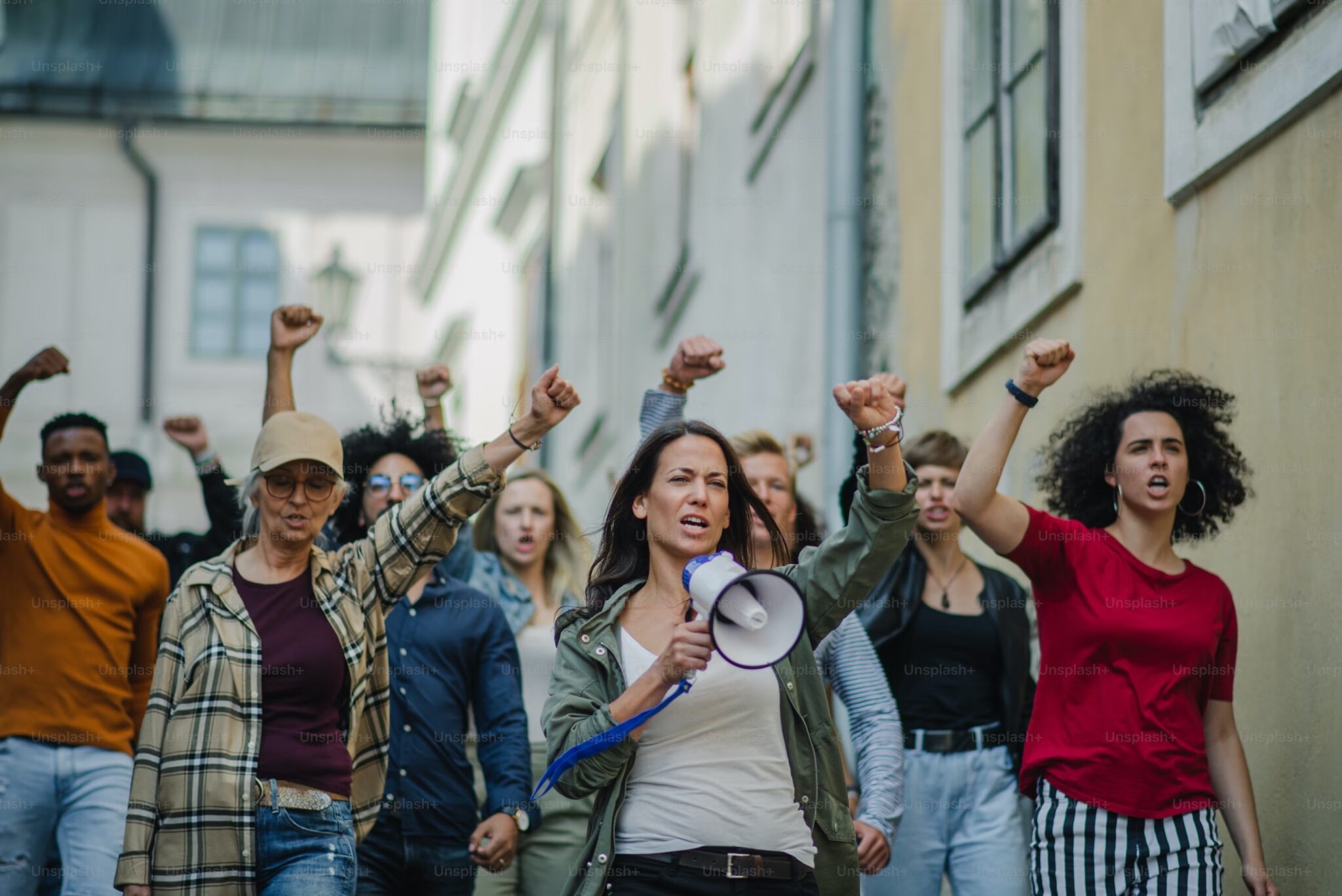
Organized labor has always been an international project. Last month, 13,000 South Korean rail workers launched their first strike in four years, seeking improved pay and working conditions. The railway union also requested expanding public railroads to increase profitability and full implementation of a work schedule that allows for more break time. Yesterday in Iceland, the prime minister joined tens of thousands of other women on a nationwide walkout to call attention to the country’s remaining gender inequalities, including the gender pay gap, gender-based violence, and the disproportionate burden of unpaid home labor. The strike, known as “Kvennafri” or “Women’s Day Off,” drew demonstrations across the island, with tens of thousands joining in central Reykjavik.
A new national study, published today by the University of Illinois Chicago’s Center for Urban Economic Development, found that two-thirds of Amazon workers surveyed by researchers had taken unpaid time off to recover from work-related injuries and exhaustion. Beth Gutelius, director of the research center and an expert on logistics and warehouse work, said that the new data suggests “injury and pain at Amazon are far more widespread” than previously understood. 60% of surveyed workers also report experiencing more workplace monitoring at Amazon than at their previous jobs, further highlighting that this widespread health toll is not coincidental given Amazon’s designed processes, including extensive monitoring and systemic pressure for an ever more rapid work pace.
The Pulitzer-winning New York Times writer David Leonhardt wrote a new book on the downfall of the American dream, “Ours Was the Shining Future.” In this “biography” of American policies that have led to economic stagnation in the last 50 years, Leonhardt identifies political missteps that, he argues, have gradually transformed the American economy into an individualistic, market-centered one, widening inequalities and narrowing opportunities for growth. Leonhardt criticizes both the Republican and Democratic parties, charging the former with weakening federal regulation from the Reagan era and the latter with abandoning basic principles like labor unions and minimum wage.





Daily News & Commentary
Start your day with our roundup of the latest labor developments. See all
October 15
New reporting examines the rollback of child labor protections; California tries to block a strike; NLRB charges Wisconsin mental health provider with firing workers during union drive.
October 14
Eleventh Circuit overturns ERISA exhaustion rule; DHS finalizes removal of automatic renewal for work permits; AFGE challenges SSA over flexible scheduling policy.
October 13
Chicago hotel workers remain on strike; a coalition of Democratic states sues the Labor Department over canceled unemployment insurance grants; the Federal Labor Relations Authority establishes a new mediation framework for federal worker disputes.
October 12
Workers at the Obama Foundation begin organizing; MLB submits its latest collective bargaining agreement proposal; Brigham & Women's nurses postpone strike.
October 11
UAW President Shawn Fain succeeds in his reelection bid, and Spanish unions call for a general strike.
October 9
DHS proposes a $100k fee for the foreign grad employment program; Trump suspends tech company access to green card program; and private equity perpetuates poor working conditions for home care workers.