
Anita Alem is a student at Harvard Law School.
In today’s news and commentary: independent union Liga Sindical Obrera Mexicana wins against an employer-backed union in a critical vote near the United States-Mexico border; workers at Starbucks, Amazon and Trader Joe’s raise concerns over negotiating their first contracts with union-busting employers; and lawsuits allege Lyft uses worker misclassification to avoid sexual and physical assault liability.
On Wednesday, auto parts workers in Piedras Negras, Mexico, along the U.S. border, voted to join an independent auto union over the Confederation of Mexican Workers, a longstanding union that has been accused of being too company-friendly, in part because it is funded by the company. Liga Sindical Obrera Mexicana, the independent union, won 186 to 101, in an election that could signal a bright future for independent unions facing more corporate, employer-backed, and established unions.The workers produce parts for a Michigan-based manufacturing company that supplies carmakers such as Nissan and Tesla. Workers have expressed grievances regarding bonus hours, health and safety at the plant, and retaliation against workers who are in favor of the independent union.
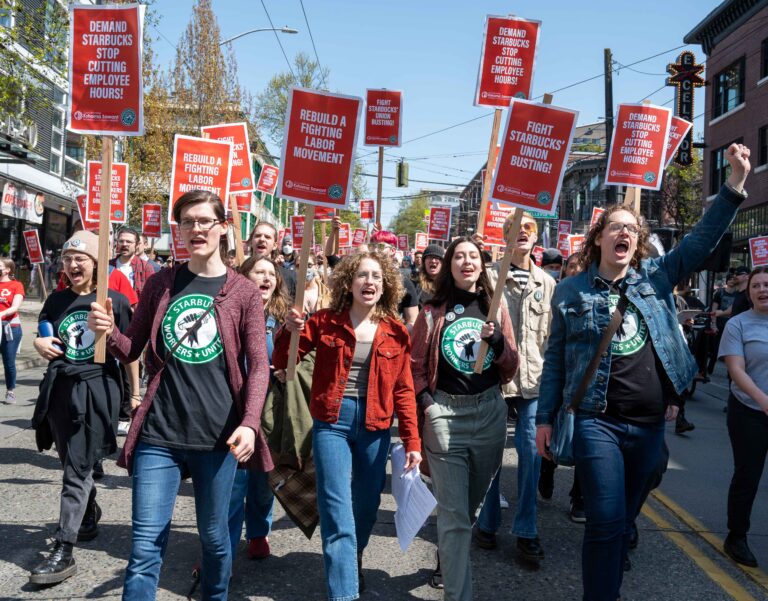
The Guardian reported Thursday that from baristas at Starbucks to grocery retail workers at Trader Joes, workers are concerned that the new wave of unionizing may be stymied by union-busting employers who refuse to negotiate in good faith. While more than 200 Starbucks stores have unionized, Starbucks has not yet agreed to any contract terms and may try to have each individual store negotiate a contract, which could significantly delay negotiations. Amazon, too, has asked the NLRB to overturn the union election in what the union says is simply an attempt to delay contract negotiations. A lead organizer at Apple’s first unionized store, however, has said he is optimistic given Apple has been responsive to negotiations thus far.
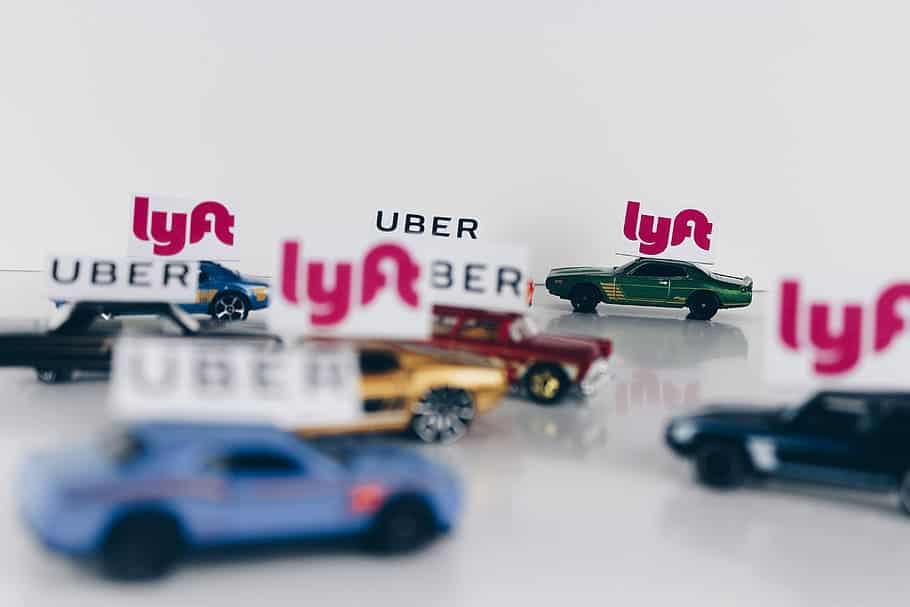
Lyft drivers filed 18 new lawsuits and arbitrations across the country earlier this week, alleging that Lyft purposely misclassified employees as contractors to avoid having to provide legal workplace protections to its drivers, including to avoid liability for sexual and physical assaults perpetrated by customers against the platform’s drivers. Lyft itself has reported more than 4,000 claims of sexual assault from 2017 to 2019. The lawsuits come on the heels of a $8 million settlement with Uber for worker misclassification in California.




Daily News & Commentary
Start your day with our roundup of the latest labor developments. See all
October 16
Department of Labor reduces wage-and-hour enforcement at unionized workplaces; Fain's victory poses question of federal monitor's extension.
October 15
New reporting examines the rollback of child labor protections; California tries to block a strike; NLRB charges Wisconsin mental health provider with firing workers during union drive.
October 14
Eleventh Circuit overturns ERISA exhaustion rule; DHS finalizes removal of automatic renewal for work permits; AFGE challenges SSA over flexible scheduling policy.
October 13
Chicago hotel workers remain on strike; a coalition of Democratic states sues the Labor Department over canceled unemployment insurance grants; the Federal Labor Relations Authority establishes a new mediation framework for federal worker disputes.
October 12
Workers at the Obama Foundation begin organizing; MLB submits its latest collective bargaining agreement proposal; Brigham & Women's nurses postpone strike.
October 11
UAW President Shawn Fain succeeds in his reelection bid, and Spanish unions call for a general strike.