
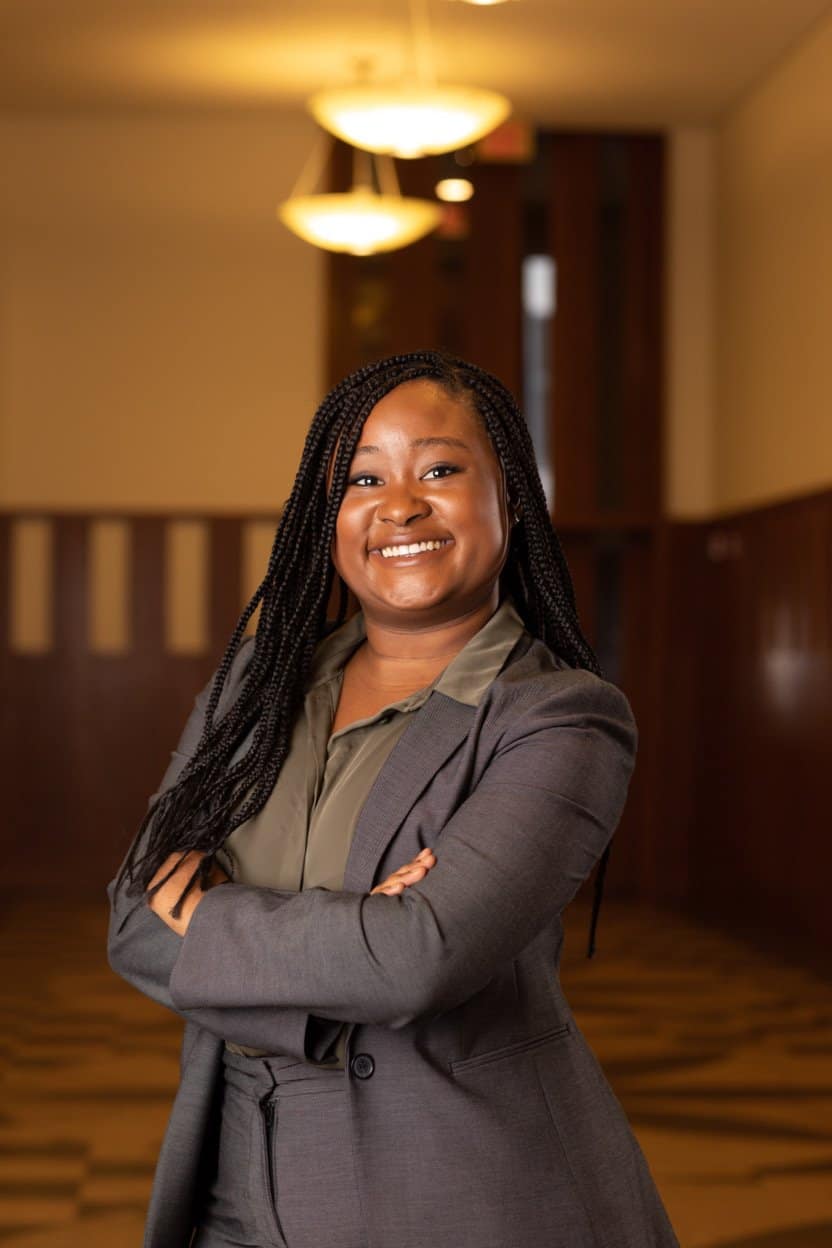
Courtney Brunson is a student at Harvard Law School and member of the Harvard Legal Aid Bureau.
Amazon announced via a blog post on October 1 that nearly 20,000 of its workers contracted the coronavirus between March 1 and September 19. Amazon contended that their infection rate was lower than those in the general public because of the company’s various workplace protections. However, infectious disease experts interviewed by Bloomberg have said that the information Amazon released doesn’t paint a complete picture. This is because the state-by-state employee data neither answers whether the infection rate at the company’s facilities is improving or getting worse or if there have been any wide outbreaks at individual facilities. In addition, it is difficult for employees and experts alike to determine whether the company is adequately meeting workplace safety benchmarks since there have been such few companies to release such data.
The Wall Street Journal reported yesterday that the Labor Department contacted Microsoft and Wells Fargo on September 29 to inquire about their adherence to federal employment laws. Following the companies’ public diversity pledges to hire more Black employees and diversify their management ranks, the Department of Labor’s Office of Federal Contract Compliance Programs sent letters to the companies to remind them that they “may not discriminate on the basis of race to provide additional opportunities” and that “quotas are prohibited.” This move comes after President Trump issued an executive order that prohibits companies with federal contracts from participating in training that “promotes race- or sex-stereotyping or scapegoating.”
According to Bloomberg Law, Walmart Stores Inc., will again face Stefany Hazelett, one of the company’s terminated distribution center workers, in court. Yesterday, the U.S. Court of Appeals in the Ninth Circuit remanded the case brought by Ms. Hazelett, which argues that Walmart violated federal disability and medical leave laws when it fired her after she declined a temporary light-duty assignment because of a foot injury. Walmart responded in court that Ms. Hazelett was terminated because she refused to work the light duty it offered her as an accommodation for her disability and failed to apply for leave under the Family and Medical Leave Act (FMLA). Because a third-party administrator handles both employee FMLA and workers’ compensation claims for Walmart, the Ninth Circuit ruled that Walmart’s policies are “ambiguous” and that a trial jury must determine whether the company effectively interfered with Hazelett’s exercising of her FMLA rights.
The American Enterprise Institute, a conservative think tank, recently released a working paper on the effect labor unions had on the minimum wage. It concluded that labor unions played a “significant role” in advocating for minimum wage increases at the state and local levels over the past ten years. It also found that “each dollar in minimum wage increase predict[ed] a 5 percent increase…in the union membership rate among individuals age 16–40.” In other union related news, workers in multiple states have been protesting about union worker representation and workplace protections. In Toledo, Ohio, more than thirty BP workers, who are represented by United Association Local 50 (a local building trades union), protested in front of their workplace in the city yesterday. The protest was over BP’s hiring of non-union contractors from Texas to perform their work despite the company’s traditional employment of local trades laborers. BP’s latest move is in conjunction with their larger consideration of using more non-union labor for its future refinery operations and reducing its labor force long term to shift production toward renewable energies. Meanwhile, unionized bus drivers in Detroit, Michigan (of the Amalgamated Transit Union Local 26) have succeeded in its negotiations with the city’s transportation department after conducting a wildcat strike this past Friday. This strike came about in response to escalating violence between drivers and passengers over PPE use on the buses. During the COVID-19 era, more than 50 bus drivers in Detroit have contracted the coronavirus and one has died. After negotiations over the weekend, the bus drivers were able to secure physical barriers that separate drivers from their passengers.


Daily News & Commentary
Start your day with our roundup of the latest labor developments. See all
September 21
In today’s News and Commentary, the Seventh Circuit raises the bar for the NLRB to obtain preliminary injunctions, the California Primary Care Association sues SEIU-UHW for racketeering, and the Seventh Circuit finds that an employer group and think tank do not have standing to challenge an Illinois law banning captive audience meetings. On Friday, the […]
September 20
Culinary Workers Union members protests union leadership; lawsuit against OpenAI and Microsoft reveal internal concerns about the threat of AI training to human labor.
September 17
Unions push to block Google from buying Spirit Airlines employment records; U.S. Department of Labor sues Oklahoma coffee chain over alleged wage violations.
September 16
Trump nominates Catherine Eschbach as EEOC general counsel; NLRB declines to resolve union work-assignment dispute; Allina Health physicians begin four-day strike.
September 15
Documents reveal the inner workings of Amazon's union avoidance program; Washington state public sector unions reach tentative deals amid a difficult bargaining cycle; hundreds of Nevada Culinary Union members protest their union's health care changes.
September 14
NCAA and Big Ten file motion to dismiss in former star player's NIL suit; Seventh Circuit rules against former postal worker in discrimination suit.